ACER Aspire A315-58-79TU RAM upgrade specifications
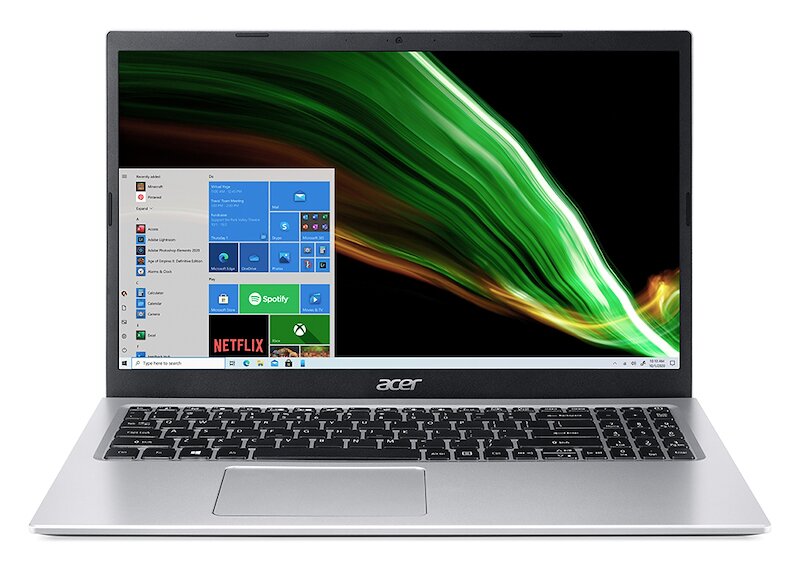



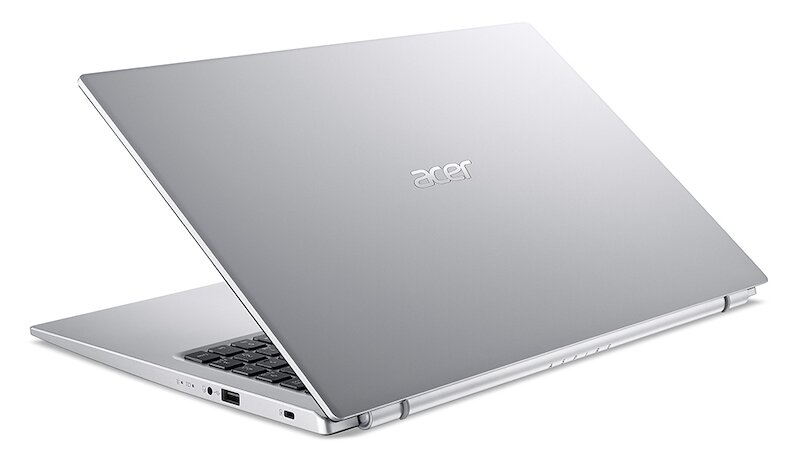
The ACER Aspire 3 A315-58-79TU features DDR4-SDRAM memory specifications for upgrade compatibility. The laptop contains one SO-DIMM slot available for RAM upgrade, with maximum memory capacity of 12 GB. Memory operates at 2666 MHz frequency. The device utilizes an on-board memory configuration combined with a single SO-DIMM slot, allowing users to expand the system memory through compatible DDR4 modules. Specifications indicate the upgrade slot supports standard laptop memory form factors for the Aspire 3 series configuration.
Memory Upgrade Specifications
| Specification | Value |
|---|---|
| Memory slots | 1x SO-DIMM |
| Form factor | On-board + SO-DIMM |
| Memory type | DDR4-SDRAM |
| Frequency | 2666 MHz |
| Maximum RAM | 12 GB |
| Voltage | 1.2V |
| Number of pins | 260-pin |
| Interface | PC4 |
| PC Speed Rating | PC4-2666 (PC4-21328) |
| Bandwidth | 21.3 GB/s |
| Laptop Release date | 28 September 2021 |
Additional Notes
- The Acer Aspire A315-58-79TU contains soldered memory on the motherboard with 1 upgradeable SO-DIMM slot, meaning only partial RAM expansion is possible rather than complete replacement of all memory modules.
- Maximum addressable capacity of 12 GB indicates the soldered portion occupies 4 GB, limiting total system RAM to this ceiling regardless of SO-DIMM capacity installed.
- DDR4-2666 MHz specification creates a performance ceiling; any replacement module faster than 2666 MHz will automatically downclock to match the motherboard's memory controller frequency, negating speed advantages from newer modules.
- SO-DIMM form factor requires low-profile laptop memory modules rather than standard desktop DIMMs, restricting compatible sources to mobile-class products and eliminating salvage possibilities from desktop systems.
- Soldered memory configuration prevents warranty-safe complete memory replacement, as removing soldered chips voids manufacturer coverage; only the SO-DIMM slot remains serviceable without hardware modification.
- The single SO-DIMM slot represents a physical bottleneck where channel asymmetry may occur if the installed module capacity differs significantly from soldered memory, potentially reducing dual-channel benefits.
- DDR4-2666 frequency suggests an Intel 8th or 9th generation processor pairing, which limits DDR4 controller compatibility; modules designed for newer generation platforms may not initialize without BIOS intervention.