ACER Extensa EX215-22-R47X RAM upgrade specifications
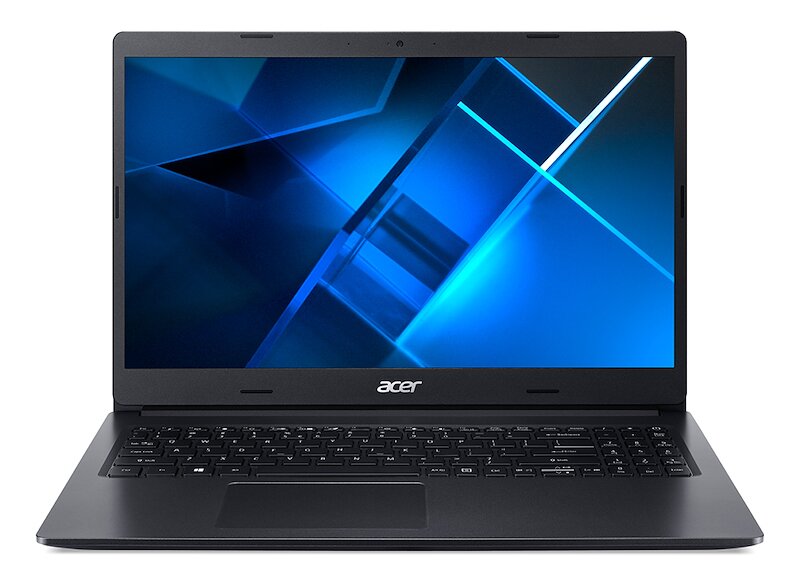
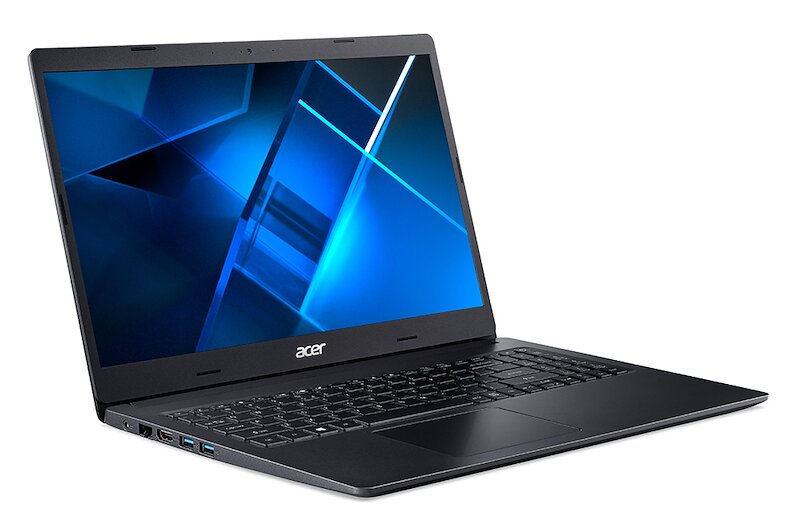
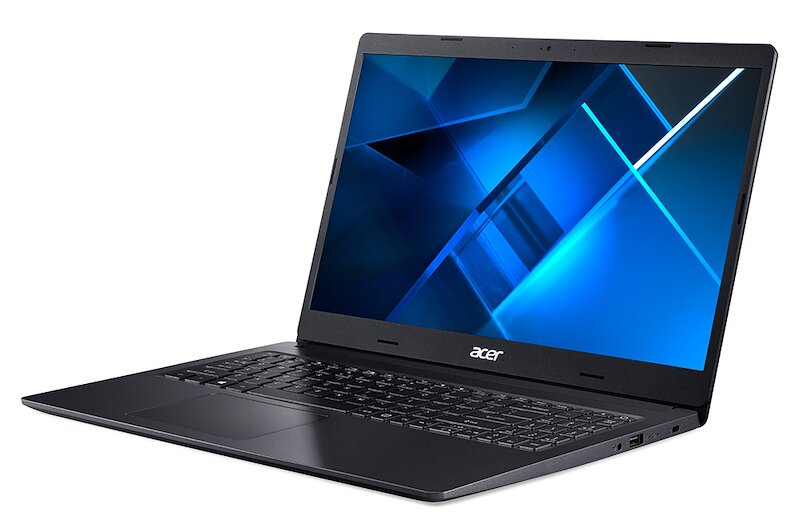
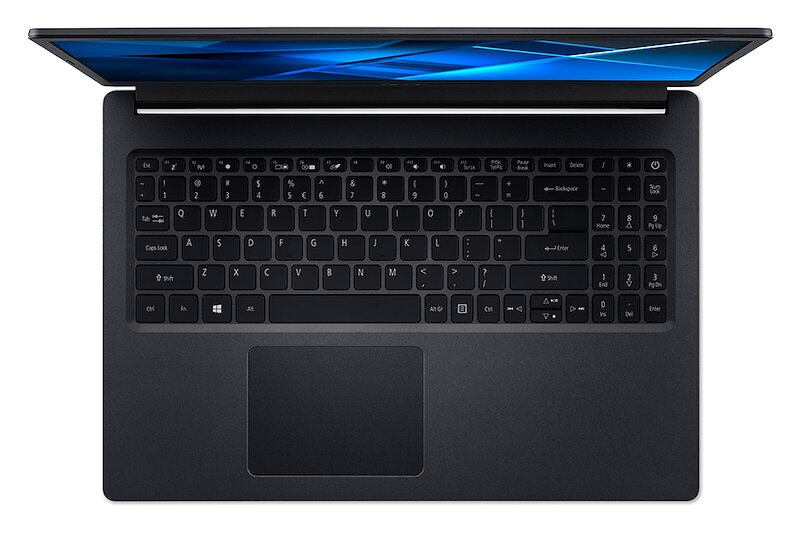
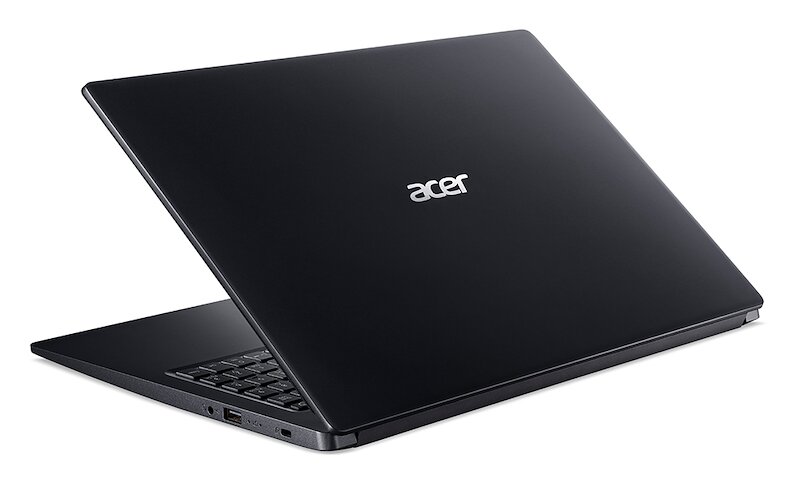
The ACER Extensa 15 Series EX215-22-R47X laptop features DDR4-SDRAM memory upgrade specifications. Compatible memory modules include 1x SO-DIMM slot supporting maximum RAM capacity of 12 GB. The upgrade slots accommodate SO-DIMM form factor memory operating at 2133 MHz frequency. Specifications indicate on-board memory configuration combined with expandable SO-DIMM slots for RAM upgrades on the EX215-22-R47X model.
Memory Upgrade Specifications
| Specification | Value |
|---|---|
| Memory slots | 1x SO-DIMM |
| Form factor | On-board + SO-DIMM |
| Memory type | DDR4-SDRAM |
| Frequency | 2133 MHz |
| Maximum RAM | 12 GB |
| Voltage | 1.2V |
| Number of pins | 260-pin |
| Interface | PC4 |
| PC Speed Rating | PC4-2133 (PC4-17064) |
| Bandwidth | 17.1 GB/s |
| Laptop Release date | 08 October 2021 |
Additional Notes
- The presence of a single SO-DIMM slot alongside permanent factory-soldered memory creates an asynchronous dual-channel configuration when modules of different capacities are paired.
- Total system memory for the ACER Extensa EX215-22-R47X is limited by the soldered 4 GB base, meaning only an 8 GB module can be added to reach the maximum supported ceiling.
- System throughput is restricted by the lowest clock speed between the soldered chips and the expansion module, potentially downclocking high-performance aftermarket RAM to the native motherboard frequency.
- Physical upgrades require the removal of the entire lower chassis casing, which necessitates a Philips head screwdriver and non-marring prying tools to avoid structural damage.
- Installing a module with a frequency higher than 2133 MHz will not result in performance gains as the integrated memory controller enforces a hardware-level speed cap.
- Maintenance of the existing memory subsystem is restricted because the primary 4 GB bank cannot be replaced or repaired in the event of chip failure.
- The hardware architecture utilizes a specialized form factor that precludes the use of desktop-sized DIMMs or newer DDR5 technology due to physical pin misalignment and voltage incompatibilities.