ACER Nitro AN515-58-567C RAM upgrade specifications
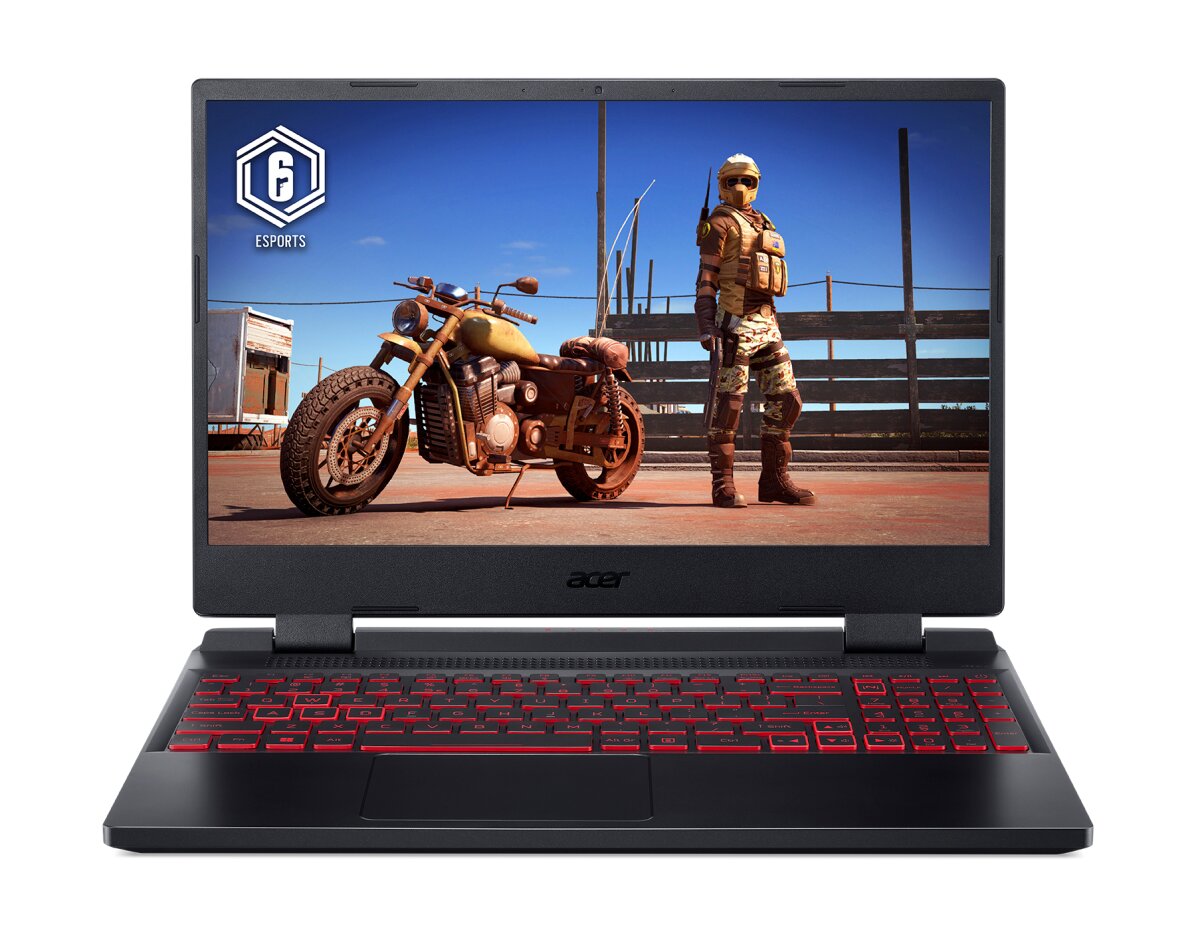
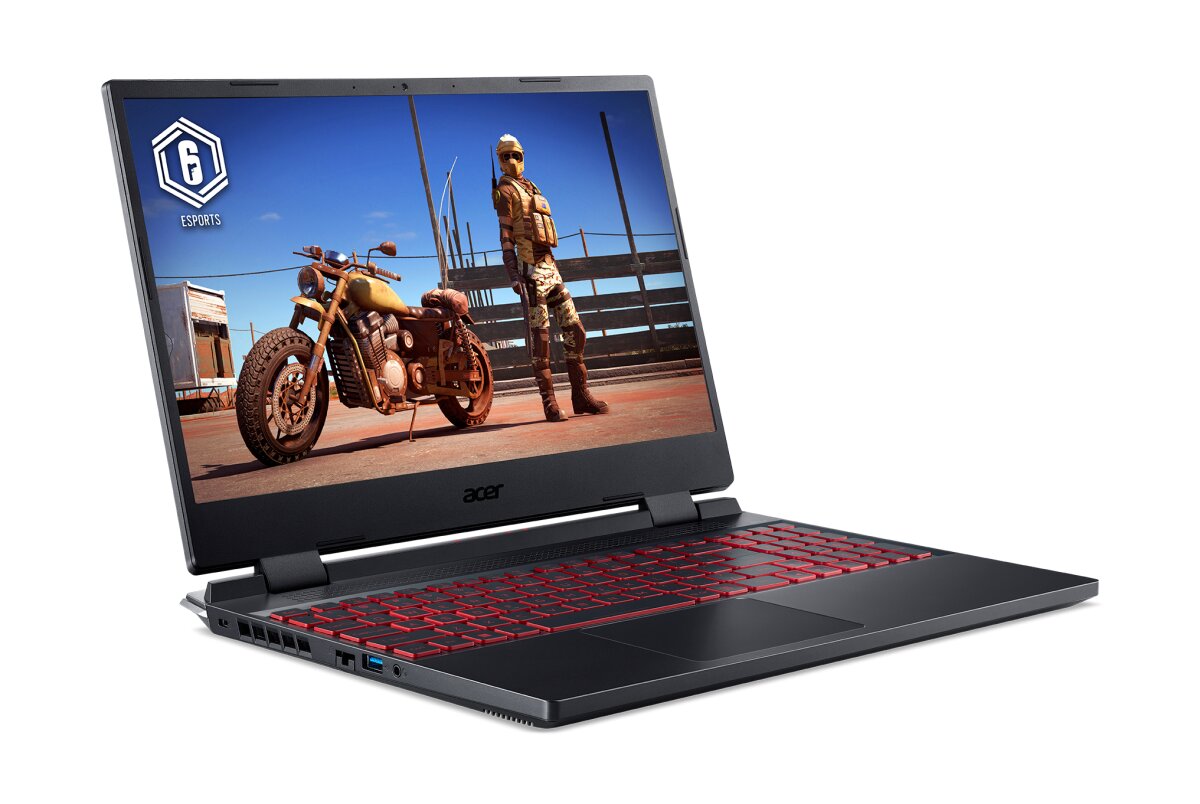
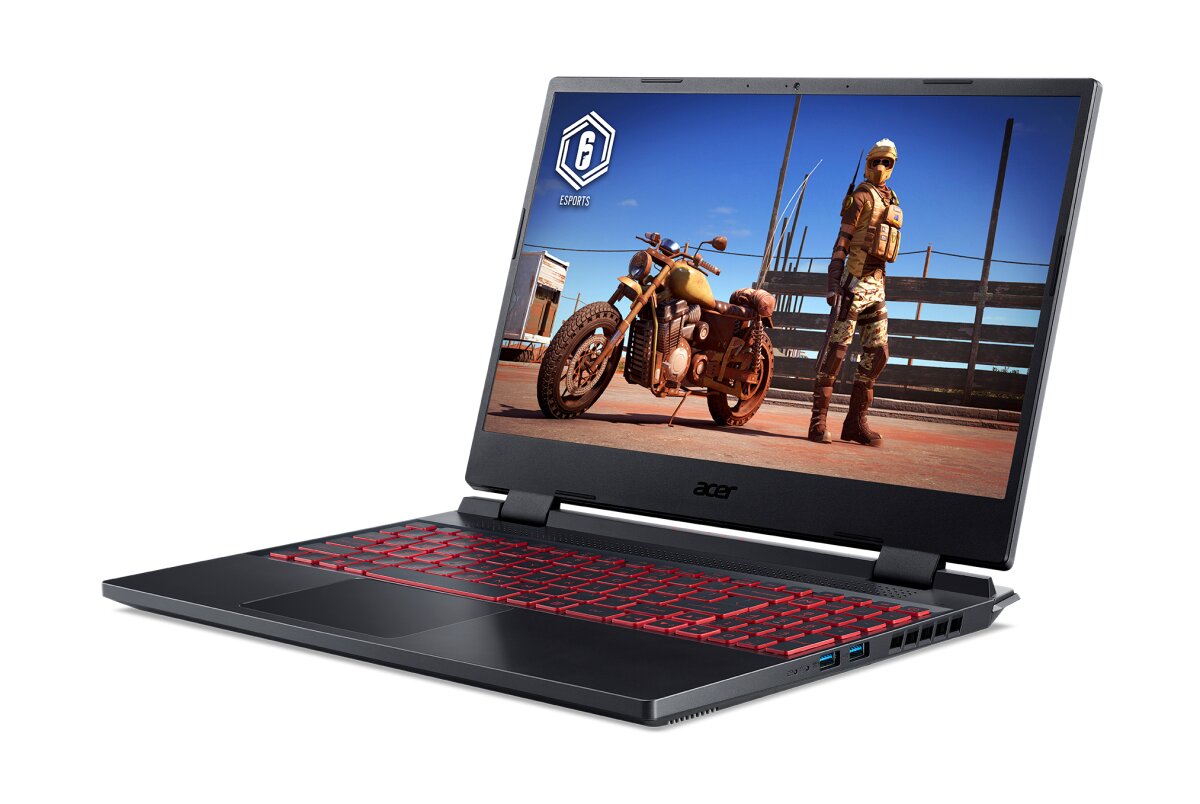
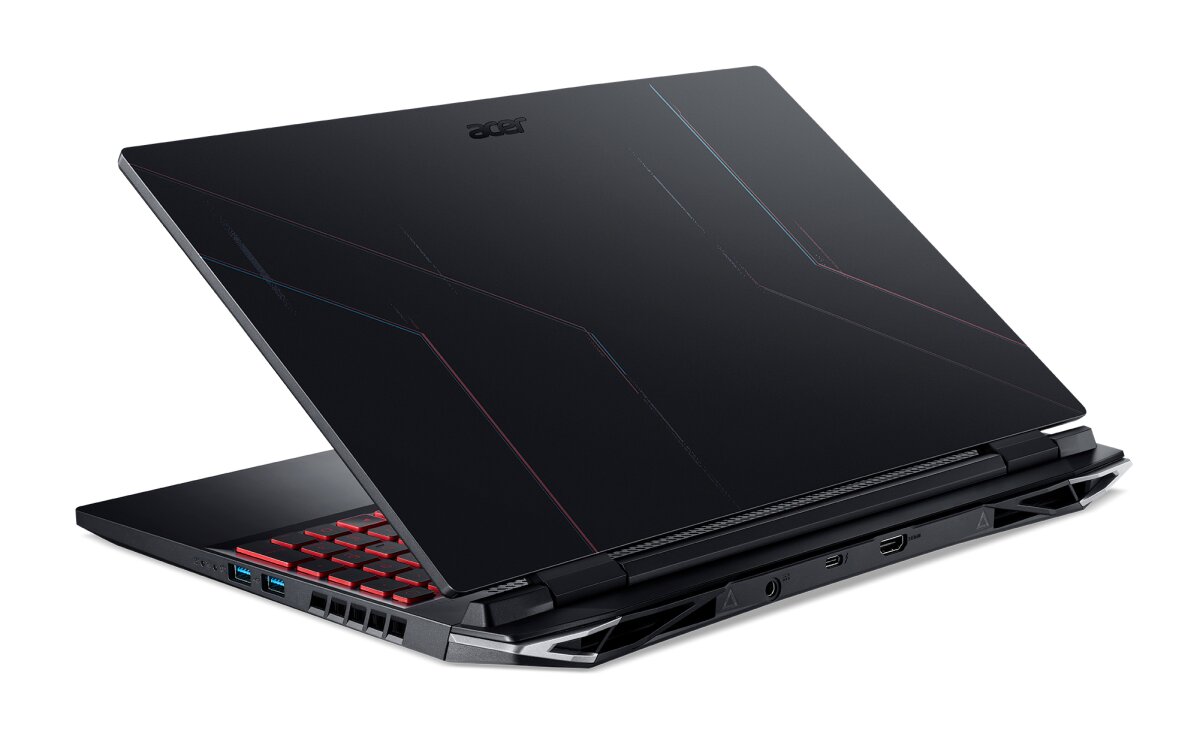
The ACER Nitro 5 Series AN515-58-567C laptop features two SO-DIMM memory slots supporting DDR4-SDRAM upgrade capacity. The maximum RAM specifications allow for 32 GB total memory expansion at 3200 MHz frequency. RAM upgrade compatibility requires SO-DIMM form factor modules. Current memory slots support standard DDR4 specifications, enabling compatible memory expansion to reach maximum capacity of 32 GB for enhanced laptop performance and multitasking capabilities.
Memory Upgrade Specifications
| Specification | Value |
|---|---|
| Memory slots | 2x SO-DIMM |
| Form factor | SO-DIMM |
| Memory type | DDR4-SDRAM |
| Frequency | 3200 MHz |
| Maximum RAM | 32 GB |
| Voltage | 1.2V |
| Number of pins | 260-pin |
| Interface | PC4 |
| PC Speed Rating | PC4-3200 (PC4-25600) |
| Bandwidth | 25.6 GB/s |
| Laptop Release date | 04 February 2022 |
Additional Notes
- The Acer Nitro AN515-58-567C contains 2 SO-DIMM slots, meaning both slots must be populated to achieve the 32 GB maximum capacity; a single module upgrade path does not exist without removing existing memory.
- DDR4-3200 compatibility requires replacement modules to match the 3200 MHz frequency specification; mixing with slower DDR4 variants will cause the system to downclock all memory to the lowest frequency present, reducing bandwidth available to the processor and GPU.
- SO-DIMM form factor modules occupy minimal physical space beneath the keyboard deck; thermal management around memory slots should be verified before installation, as gaming-class systems generate significant localized heat that may affect module longevity.
- Upgrading to 32 GB from a lower capacity requires purchasing 2 matching modules simultaneously; this eliminates the cost-staged upgrade approach possible on systems with 4 or more slots and increases initial outlay per expansion event.
- The 32 GB ceiling creates a hard limit for memory-intensive applications; tasks requiring more than 32 GB of addressable RAM cannot be accommodated through internal expansion, requiring external GPU memory or cloud resources instead.
- DDR4-SDRAM operates at significantly lower bandwidth than DDR5 alternatives; systems with discrete graphics will experience reduced frame rates in memory-bound gaming scenarios compared to newer-generation platforms with faster memory interconnects.