ACER Predator PH317-53-790P RAM upgrade specifications



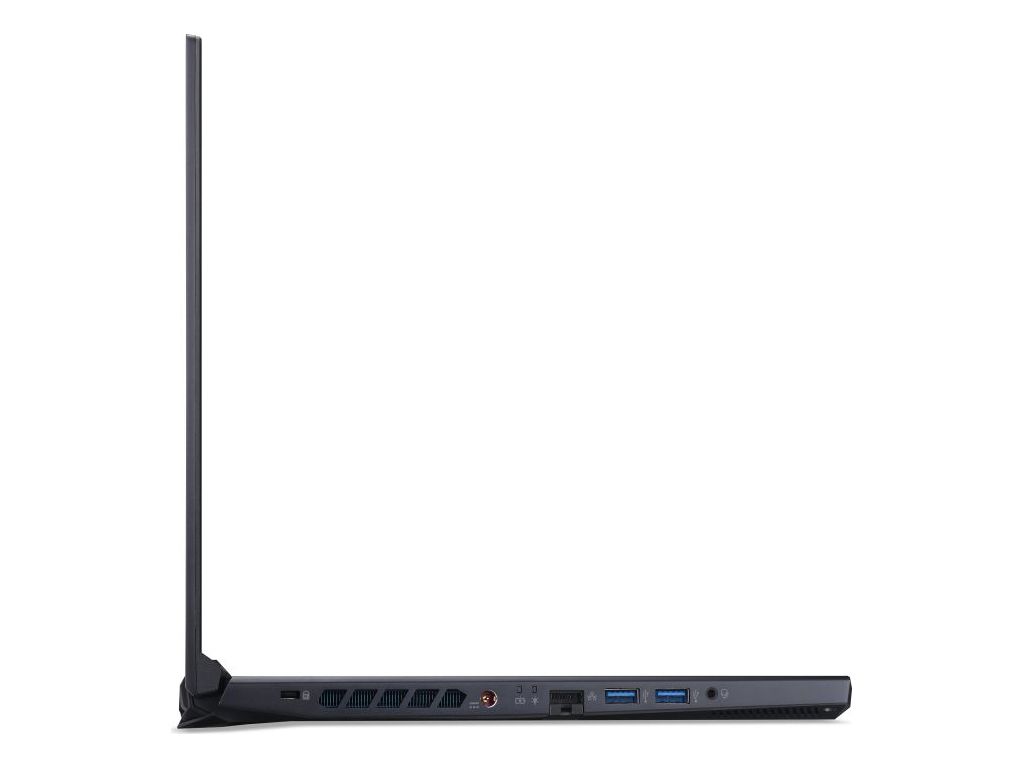
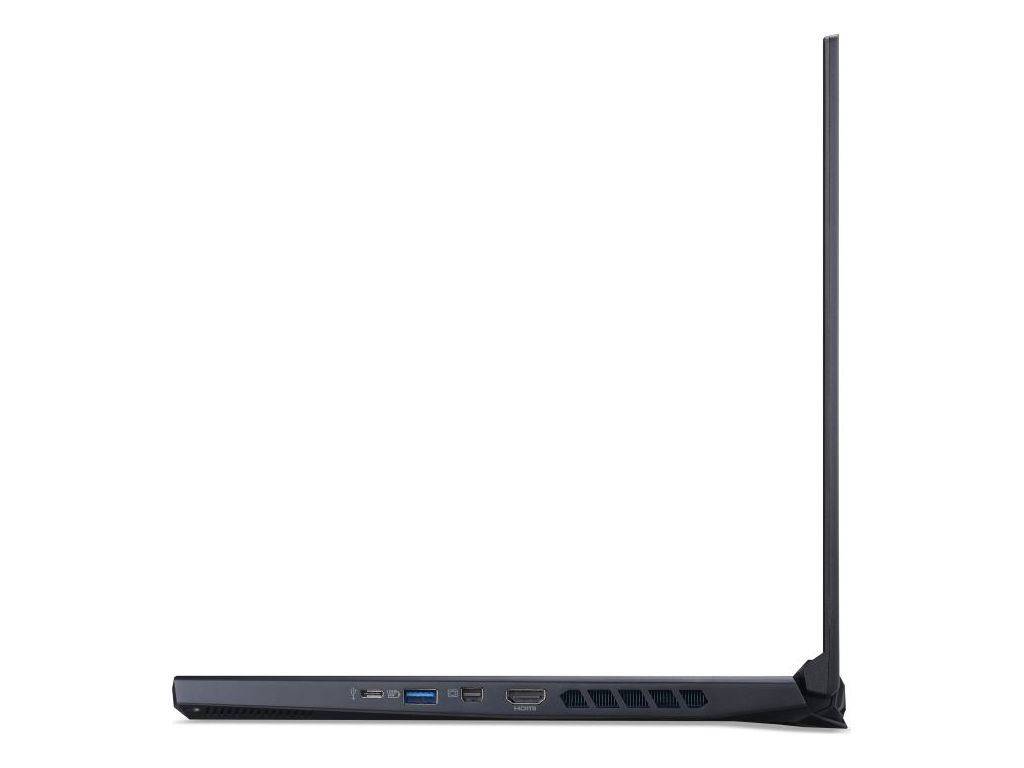
The ACER Predator Helios 300 model PH317-53-790P features DDR4-SDRAM memory with two SO-DIMM slots supporting maximum RAM capacity of 32 GB. The upgrade specifications indicate compatibility with DDR4 memory operating at 2666 MHz frequency. The SO-DIMM form factor designates mobile-grade RAM modules for this gaming laptop configuration. Memory upgrades require DDR4-SDRAM modules compatible with the specified slot architecture and frequency specifications. Maximum supported capacity of 32 GB represents the total memory upgrade potential across both available slots.
Memory Upgrade Specifications
| Specification | Value |
|---|---|
| Memory slots | 2x SO-DIMM |
| Form factor | SO-DIMM |
| Memory type | DDR4-SDRAM |
| Frequency | 2666 MHz |
| Maximum RAM | 32 GB |
| Voltage | 1.2V |
| Number of pins | 260-pin |
| Interface | PC4 |
| PC Speed Rating | PC4-2666 (PC4-21328) |
| Bandwidth | 21.3 GB/s |
| Laptop Release date | 16 June 2019 |
Additional Notes
- The Acer Predator PH317-53-790P contains 2 SO-DIMM slots, establishing a hard ceiling of 32 GB total capacity regardless of future module availability. Installations exceeding this threshold will not POST.
- DDR4-2666 MHz memory operates at a lower frequency band than contemporary DDR4 standards (3000-3200 MHz). Upgrading to faster modules will result in automatic downclocking to 2666 MHz, negating performance gains and wasting hardware investment.
- SO-DIMM form factor restricts upgrades to laptop-specific modules. Standard desktop DDR4 DIMMs are physically incompatible and cannot be installed, even if electrically compatible.
- The 2-slot configuration means maximum density is achievable only with 2x16 GB modules. Single-slot upgrades cannot fully saturate bandwidth potential, leaving one DIMM slot vacant and reducing memory channel efficiency.
- Warranty safety requires DDR4 modules meeting JEDEC SPD specifications for 2666 MHz operation. Non-standard timings or overclocked XMP profiles may trigger boot failures or data corruption without voiding protection explicitly.
- Memory bandwidth bottlenecks may occur if the CPU or GPU bus operates asynchronously with the 2666 MHz clock, particularly during sustained workloads requiring high memory throughput.