ASUS ROG G512LI-HN094 RAM upgrade specifications

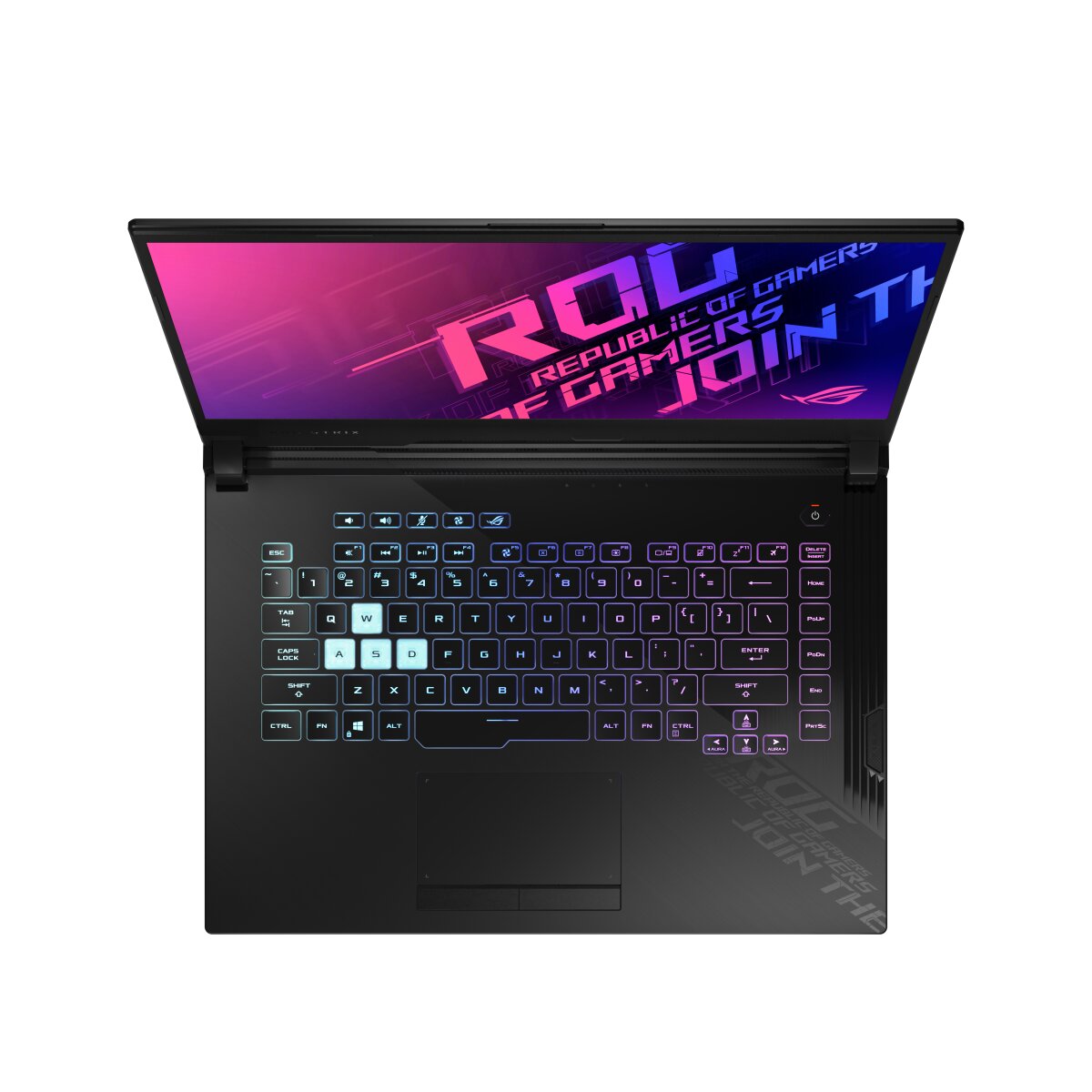



ASUS ROG Strix G15 model G512LI-HN094 features DDR4-SDRAM memory upgrade specifications. Laptop contains 2x SO-DIMM slots with maximum RAM capacity of 32 GB. Memory operates at 2933 MHz frequency. Compatible upgrades utilize SO-DIMM form factor. Specifications support memory expansion through dual socket configuration for enhanced system performance.
Memory Upgrade Specifications
| Specification | Value |
|---|---|
| Memory slots | 2x SO-DIMM |
| Form factor | SO-DIMM |
| Memory type | DDR4-SDRAM |
| Frequency | 2933 MHz |
| Maximum RAM | 32 GB |
| Voltage | 1.2V |
| Number of pins | 260-pin |
| Interface | PC4 |
| PC Speed Rating | PC4-2933 (PC4-23464) |
| Bandwidth | 23.5 GB/s |
| Laptop Release date | 23 October 2021 |
Additional Notes
- The ASUS ROG G512LI-HN094 supports dual-channel memory architecture, enabling theoretical bandwidth of approximately 46.9 GB/s at native frequency, which provides adequate throughput for integrated graphics and CPU cache operations but may present minor latency constraints during simultaneous high-bandwidth tasks like 4K video encoding and real-time data processing.
- SO-DIMM modules require extraction of the bottom access panel, and the 2-slot configuration permits no future expansion beyond 32 GB without complete module replacement, effectively capping memory scalability for long-term workload evolution.
- DDR4-2933 specification indicates the system runs below JEDEC standard DDR4-3200 speeds, suggesting either BIOS-locked configurations or Intel 10th-generation mobile processor limitations that cannot be overcome through UEFI adjustments alone.
- Single-slot population to 16 GB leaves one SO-DIMM vacant, which preserves upgrade flexibility to 32 GB by adding one matching module without disturbing the primary memory stick, though matching frequency and latency timing remain critical for stability.
- Memory installations on mobile platforms require grounding precautions and proper seating verification, as improper SO-DIMM insertion frequently causes intermittent crashes that masquerade as storage or driver failures rather than memory faults.