ASUS ROG G513QR-HN046T RAM upgrade specifications
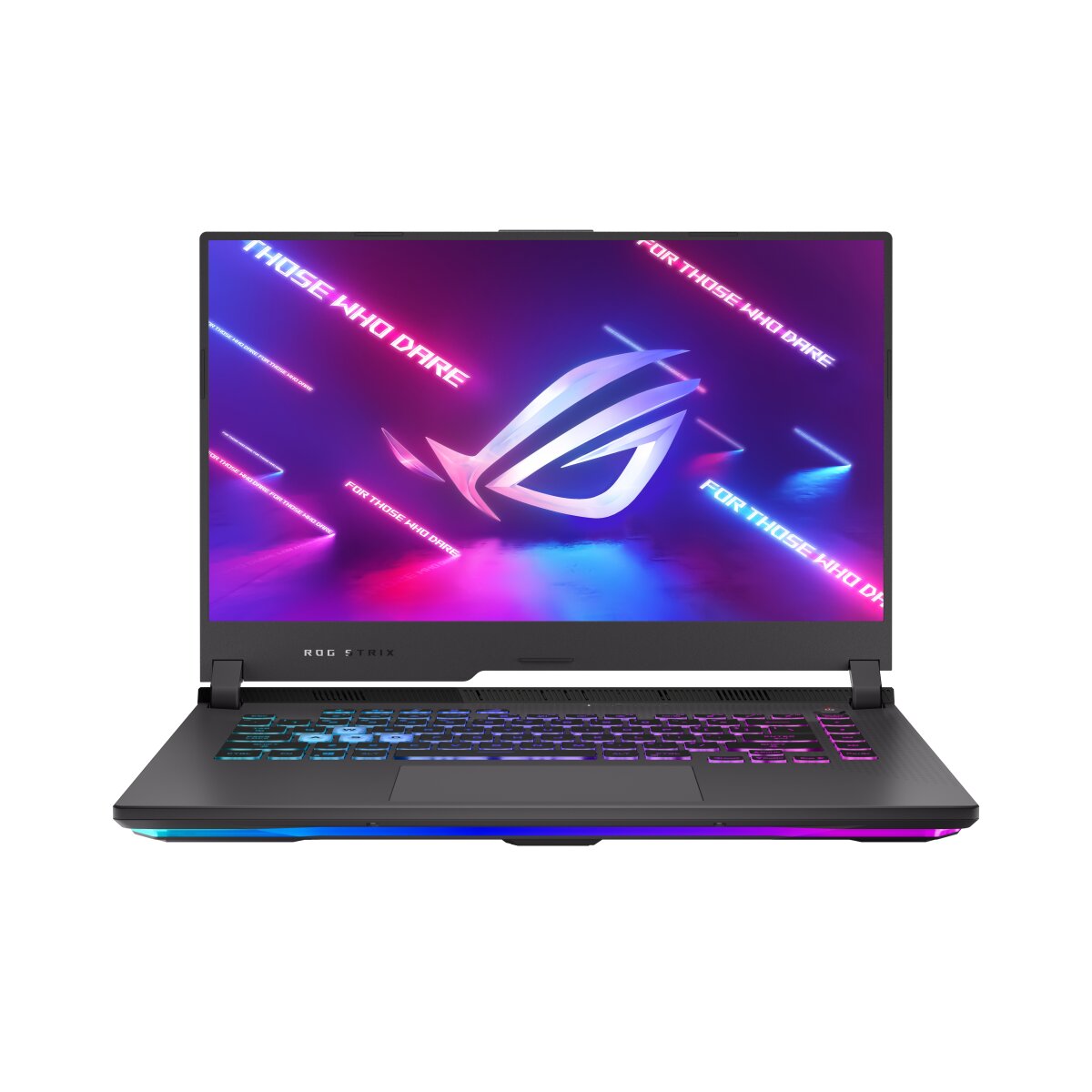
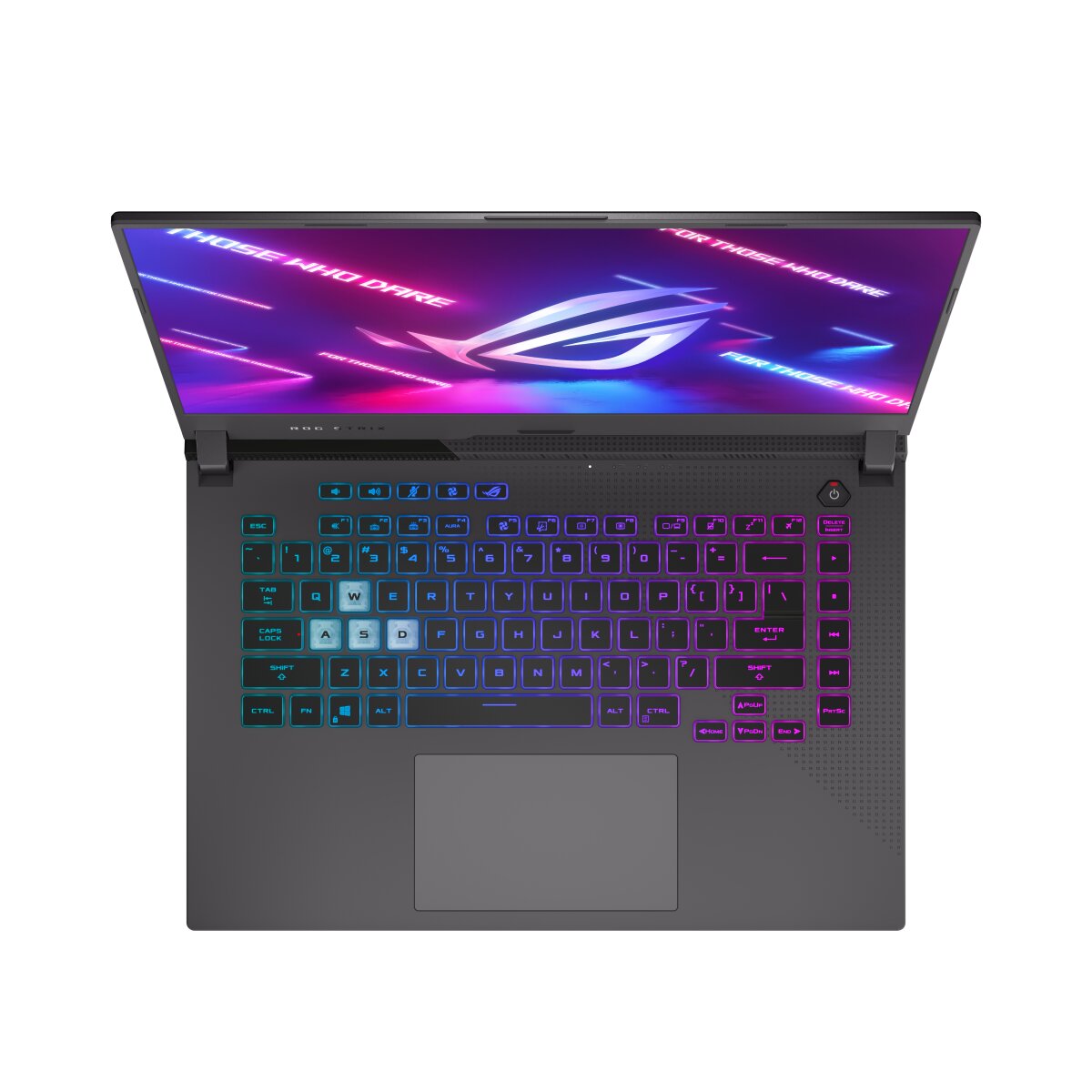


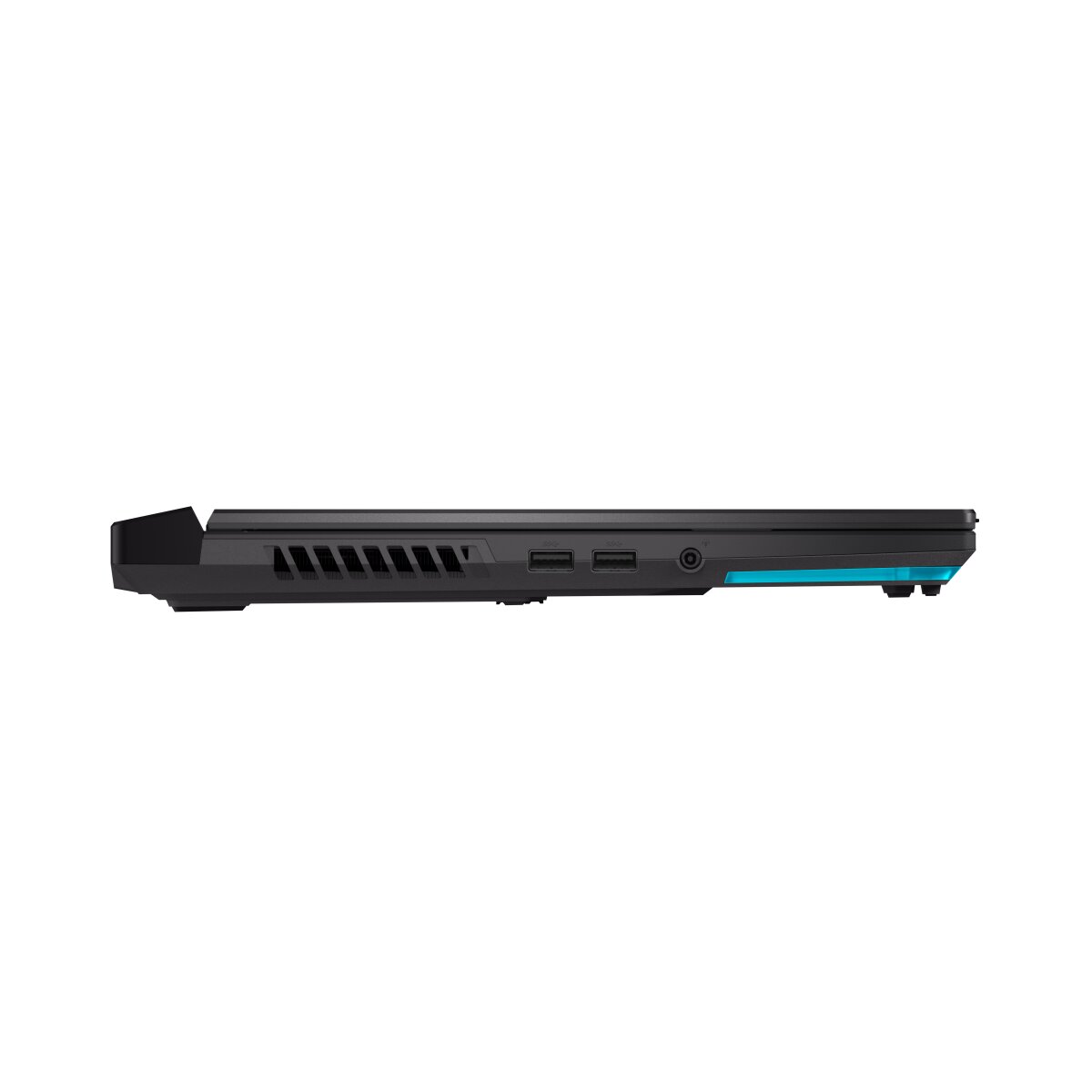
ASUS ROG Strix G15 model G513QR-HN046T supports DDR4-SDRAM memory upgrades with maximum RAM capacity of 32 GB. The laptop features 2x SO-DIMM memory slots for compatible RAM installation. Upgrade specifications include DDR4 modules operating at 3200 MHz frequency. Memory form factor is SO-DIMM, determining compatible upgrade options for the gaming notebook.
Memory Upgrade Specifications
| Specification | Value |
|---|---|
| Memory slots | 2x SO-DIMM |
| Form factor | SO-DIMM |
| Memory type | DDR4-SDRAM |
| Frequency | 3200 MHz |
| Maximum RAM | 32 GB |
| Voltage | 1.2V |
| Number of pins | 260-pin |
| Interface | PC4 |
| PC Speed Rating | PC4-3200 (PC4-25600) |
| Bandwidth | 25.6 GB/s |
Additional Notes
- The ASUS ROG G513QR-HN046T requires SO-DIMM modules specifically, making standard desktop DIMM memory physically incompatible due to different pin configurations and physical dimensions.
- The 32 GB ceiling reflects chipset and CPU memory controller limitations rather than slot availability, preventing recognition of higher capacity configurations even if physically installed.
- DDR5 modules are electrically incompatible with this DDR4 architecture due to different voltage requirements and signaling protocols, regardless of form factor matching.
- The 3200 MHz specification represents the maximum officially supported frequency; modules rated at higher speeds will typically downclock to this threshold or may require manual BIOS timing adjustments.
- Dual-channel bandwidth optimization requires matched memory modules in both slots, as mismatched capacities or speeds force the controller to operate in asymmetric or single-channel mode.
- Mixed-brand installations may function but introduce potential timing incompatibilities that can cause system instability under sustained memory loads.
- The two-slot configuration limits upgrade flexibility to either replacing existing modules entirely or accepting maximum capacity constraints if one slot remains occupied by factory memory.
- Operating outside the 3200 MHz specification through overclocking typically voids manufacturer warranty coverage despite technical feasibility with some AMD Ryzen mobile platforms.
- Non-ECC unbuffered modules are required for this consumer platform, as registered or error-correcting memory types are rejected during POST initialization.
- Matching latency timings (CAS latency) across both modules prevents the memory controller from defaulting to the slower timing profile, which reduces effective bandwidth.