ASUS ROG G513QR-HQ204T RAM upgrade specifications
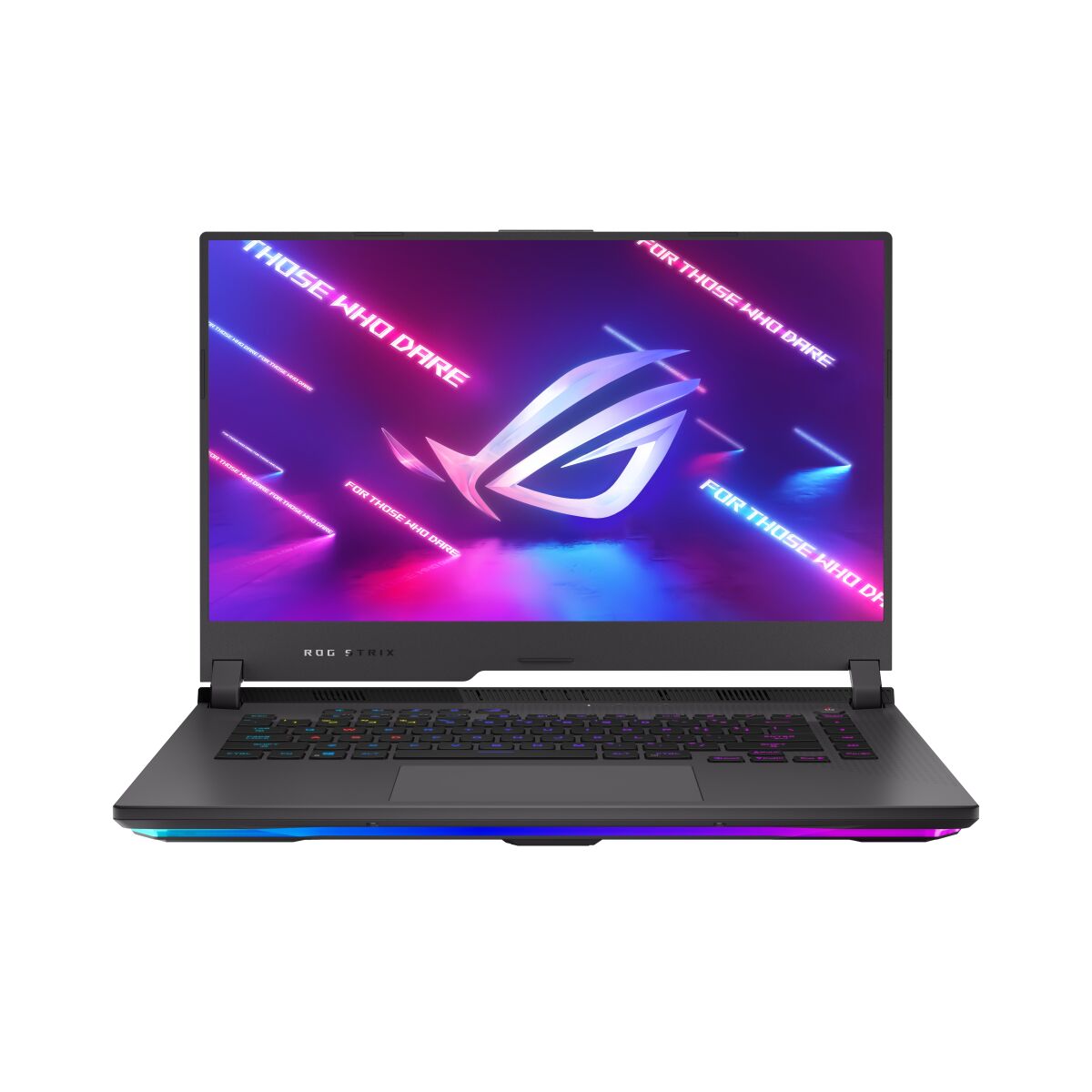

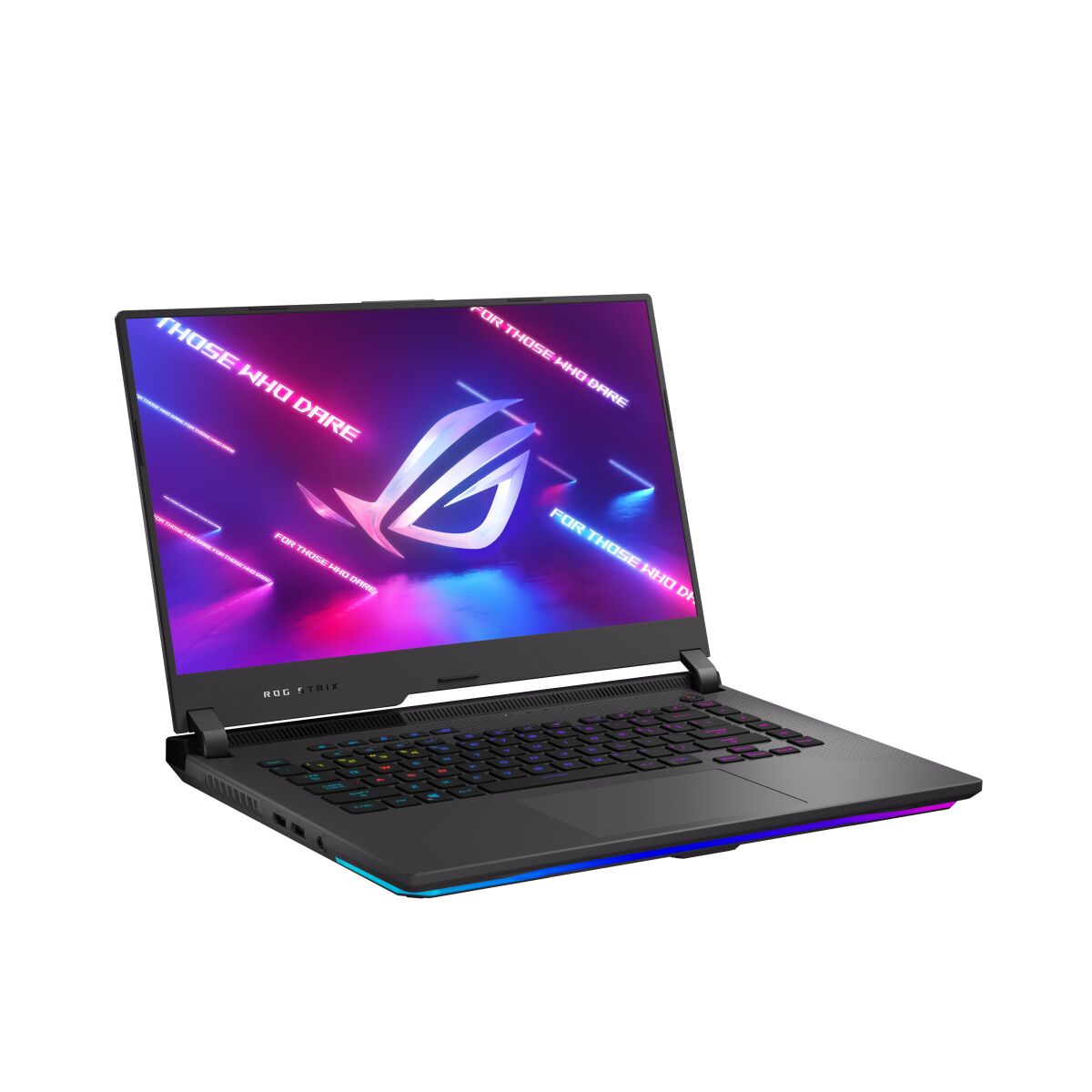
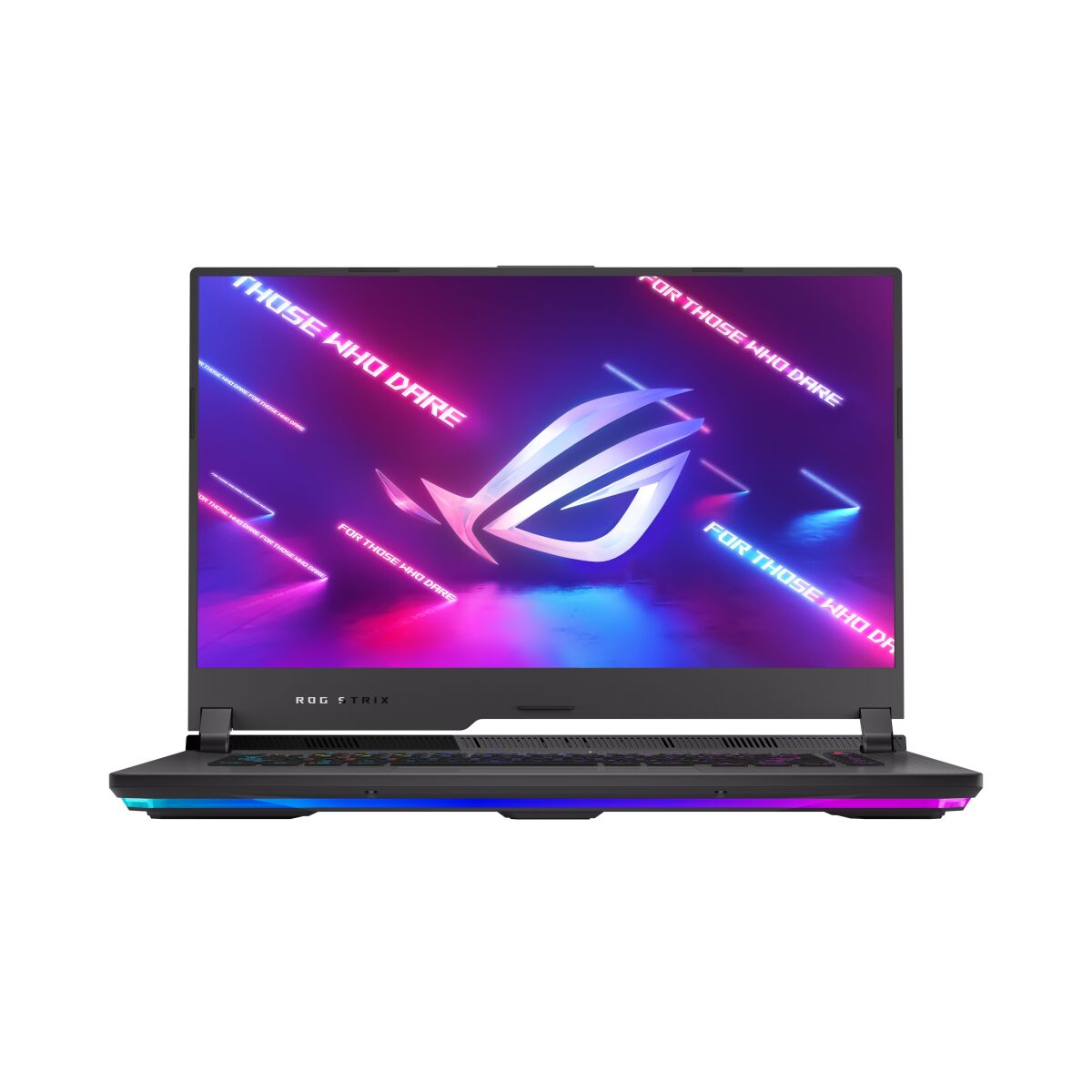
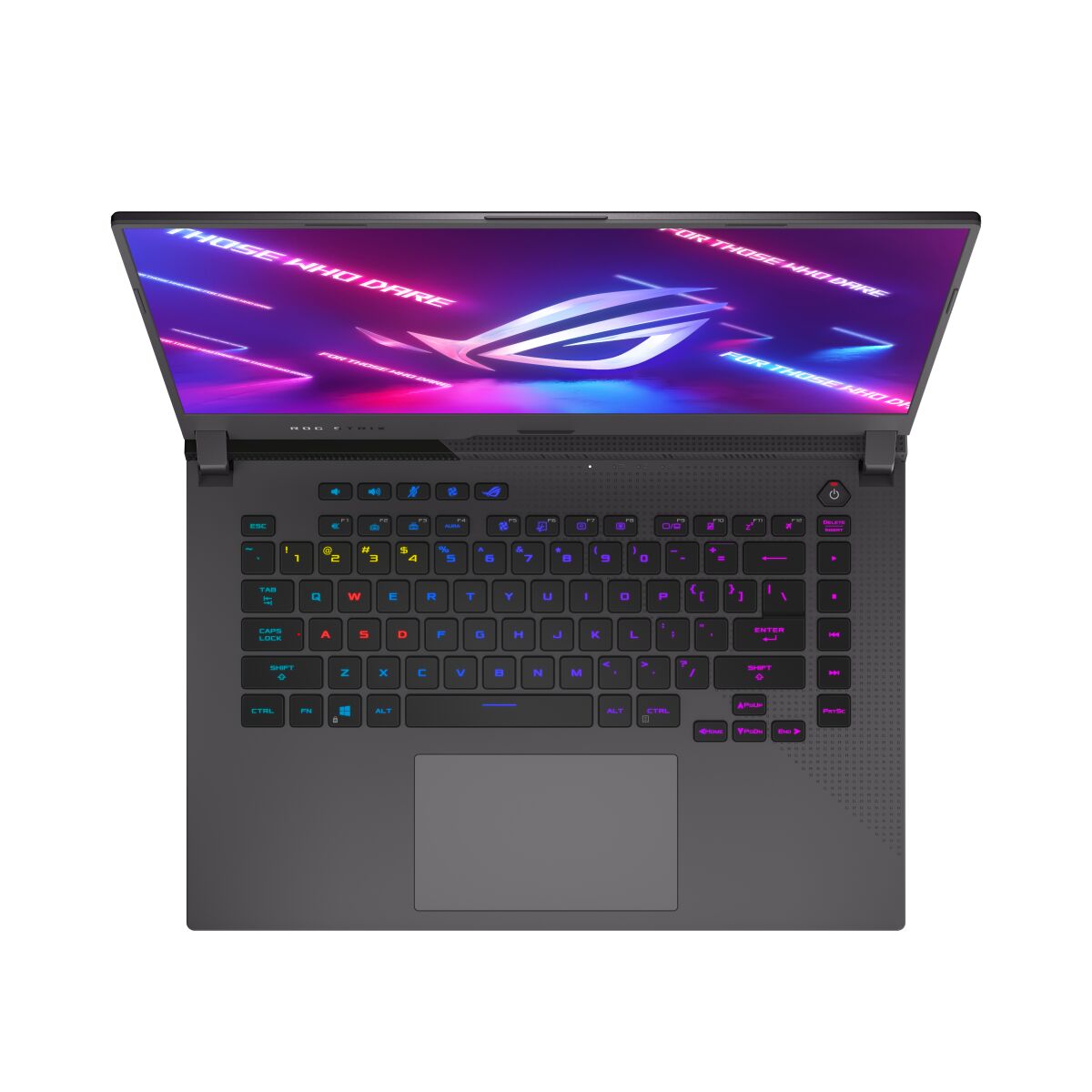
The ASUS ROG Strix G15 G513QR-HQ204T laptop features two SO-DIMM slots supporting DDR4-SDRAM memory modules. The system accommodates a maximum RAM capacity of 32 GB, with compatible modules operating at 3200 MHz frequency. Current memory upgrade specifications are compatible with standard DDR4 SO-DIMM form factor components, enabling users to expand the laptop's memory capacity up to the specified maximum through module replacement or addition in available slots.
Memory Upgrade Specifications
| Specification | Value |
|---|---|
| Memory slots | 2x SO-DIMM |
| Form factor | SO-DIMM |
| Memory type | DDR4-SDRAM |
| Frequency | 3200 MHz |
| Maximum RAM | 32 GB |
| Voltage | 1.2V |
| Number of pins | 260-pin |
| Interface | PC4 |
| PC Speed Rating | PC4-3200 (PC4-25600) |
| Bandwidth | 25.6 GB/s |
| Laptop Release date | 25 March 2021 |
Additional Notes
- The ASUS ROG G513QR-HQ204T accepts only SO-DIMM modules, rendering standard desktop DIMM memory physically incompatible due to different pin configurations and module length.
- DDR4-SDRAM architecture requires voltage-specific modules, typically 1.2V, making DDR3 or DDR5 insertion impossible due to notch positioning differences that prevent physical installation.
- The 32 GB ceiling indicates platform chipset or CPU memory controller limitations, preventing recognition of higher-capacity modules even if physically installed.
- Both SO-DIMM slots support dual-channel operation when populated with matched capacity modules, potentially doubling memory bandwidth compared to single-channel configurations.
- Mixing modules with different speeds forces the memory controller to operate all installed RAM at the lowest common frequency, negating any benefit from higher-rated modules.
- Upgrading from soldered to slotted RAM is not applicable here since both slots are accessible, allowing warranty-safe upgrades without motherboard modification.
- Running 3200 MHz modules requires compatible JEDEC or XMP profiles; mismatched timings may cause boot failures or automatic downclocking to stable frequencies.
- Installing a single high-capacity module sacrifices dual-channel bandwidth, potentially creating performance bottlenecks in memory-intensive applications despite increased total capacity.
- Maximum capacity per slot calculates to 16 GB modules based on the 32 GB system limit across 2 slots.
- Non-ECC unbuffered modules are standard for this consumer platform; registered or ECC memory will be rejected by the memory controller.