ASUS ROG G513RW-HQ173 RAM upgrade specifications
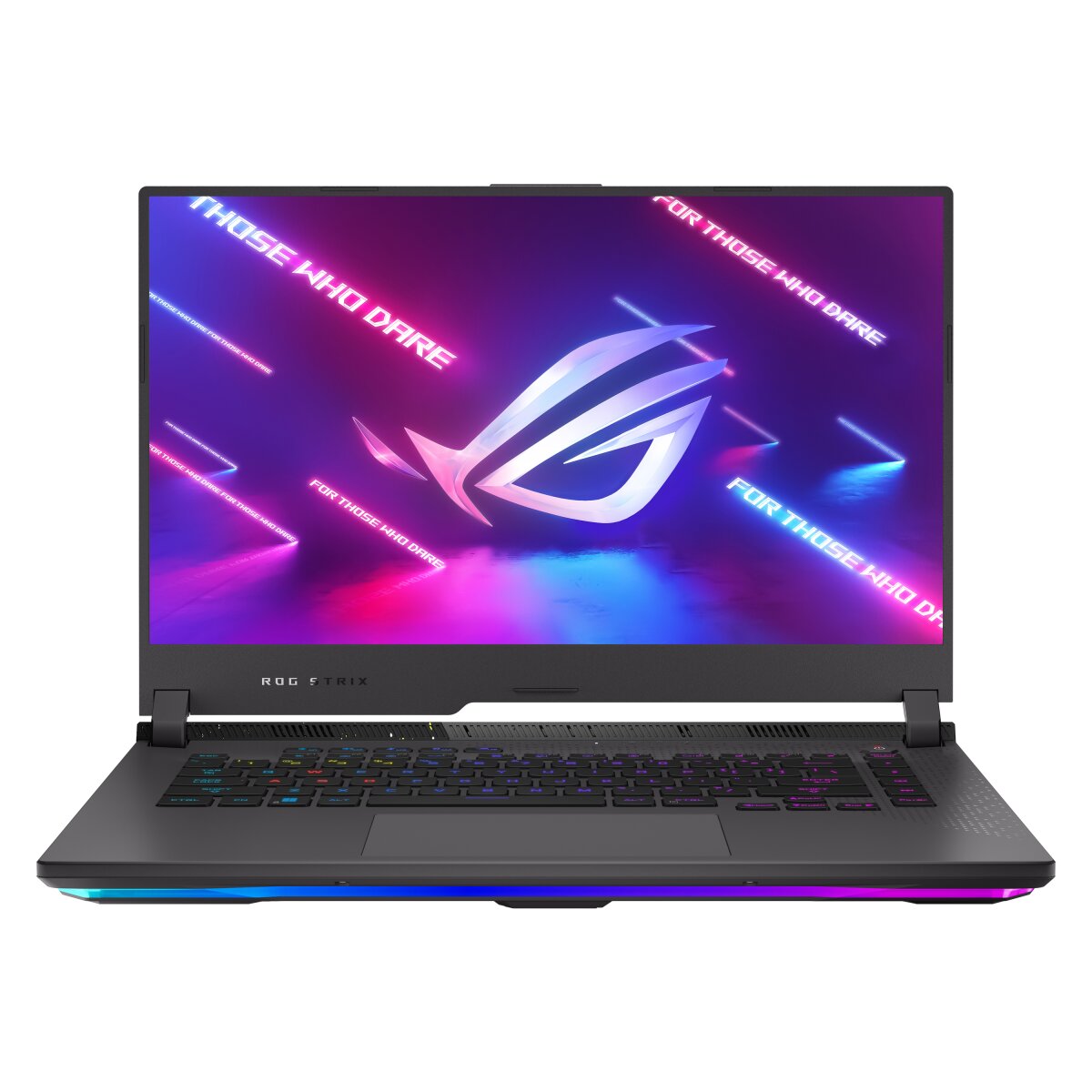
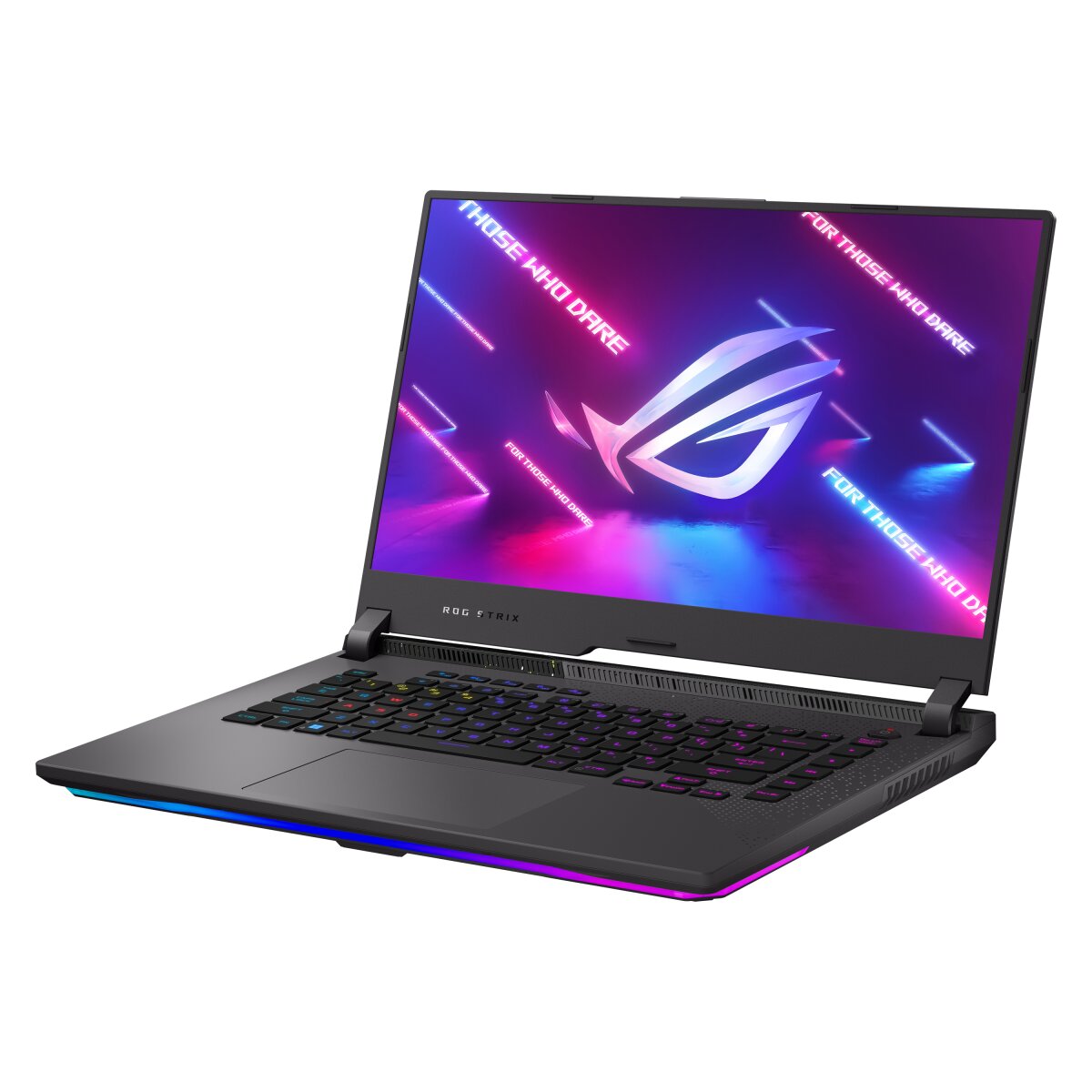
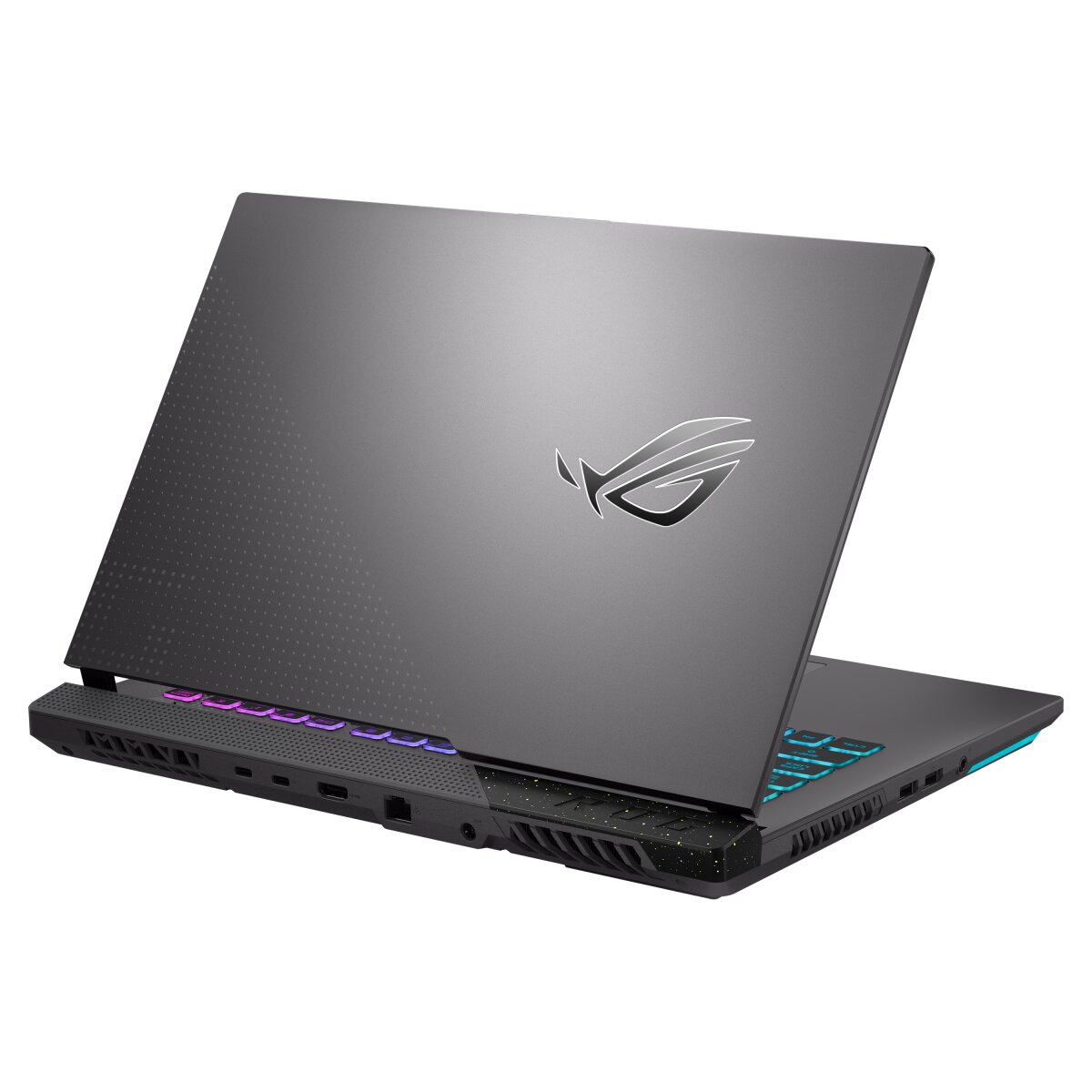
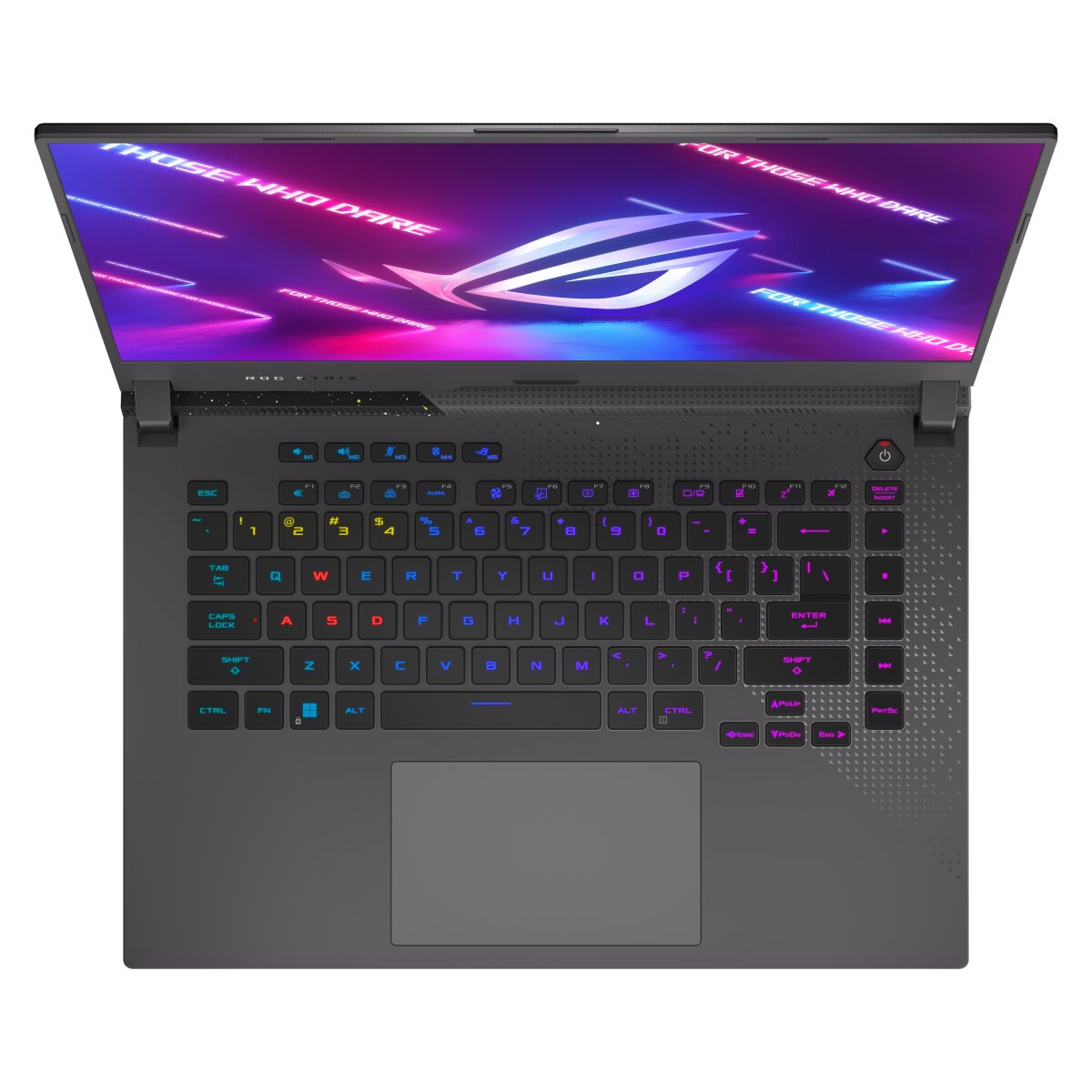
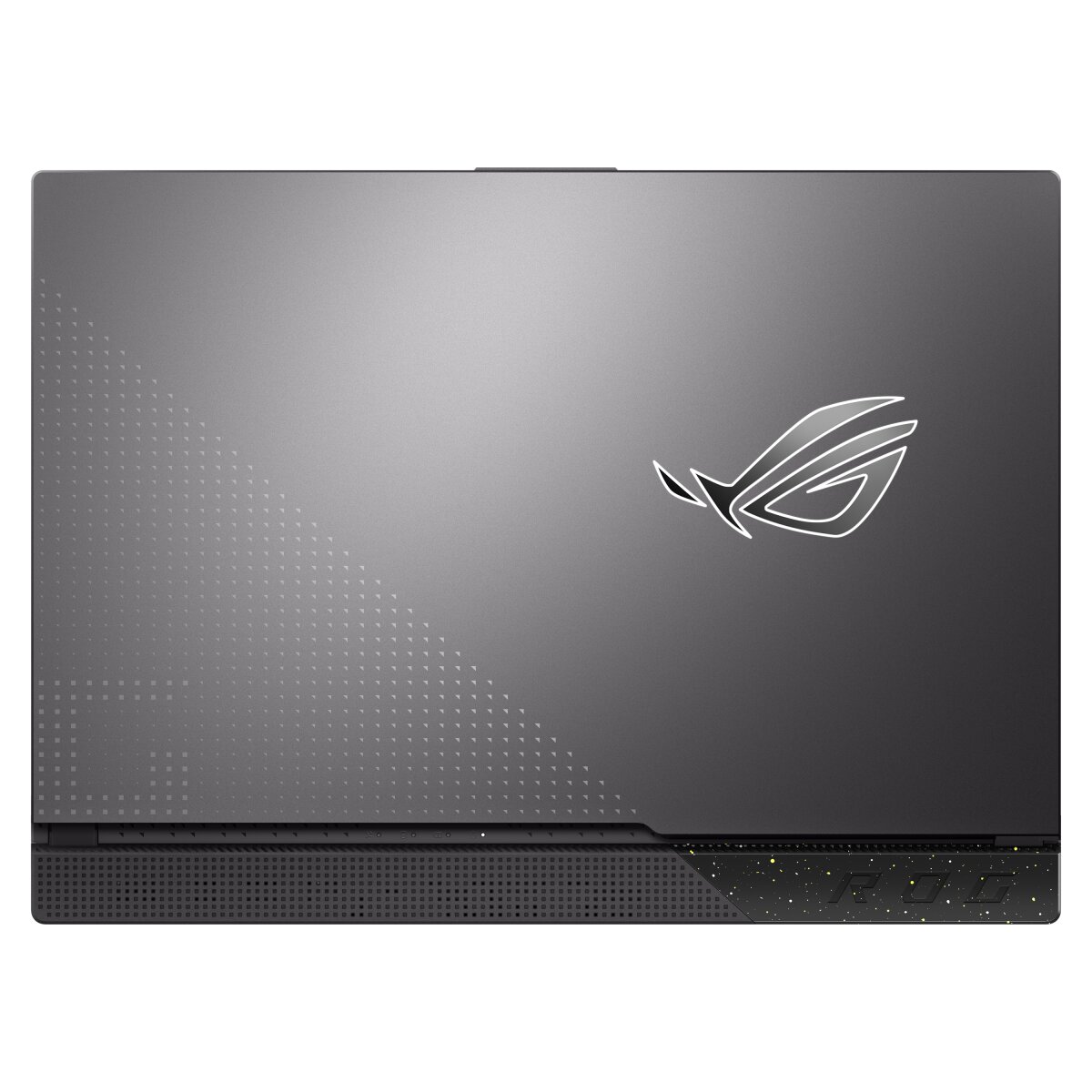
The ASUS ROG Strix G15 G513RW-HQ173 features DDR5-SDRAM memory upgrade capabilities with two SO-DIMM slots supporting maximum capacity of 32 GB. Compatible memory modules operate at 4800 MHz frequency specifications. Upgrade options enable expansion from standard configurations to full 32 GB maximum RAM capacity through additional DDR5 SO-DIMM modules. Memory specifications support high-performance gaming and professional applications requiring enhanced RAM capacity.
Memory Upgrade Specifications
| Specification | Value |
|---|---|
| Memory slots | 2x SO-DIMM |
| Form factor | SO-DIMM |
| Memory type | DDR5-SDRAM |
| Frequency | 4800 MHz |
| Maximum RAM | 32 GB |
| Voltage | 1.1V |
| Number of pins | 262-pin |
| Interface | PC5 |
| PC Speed Rating | PC5-4800 (PC5-38400) |
| Bandwidth | 38.4 GB/s |
Additional Notes
- The dual-channel architecture requires balanced module deployment across both physical slots to maintain peak memory bandwidth and prevent CPU-bound performance drops in high-framerate scenarios.
- Utilizing memory modules with speeds exceeding 4800 MHz will result in automatic downclocking to match the hardwired timing constraints of the ASUS ROG G513RW-HQ173 motherboard.
- The maximum capacity cap of 32 GB suggests a hardware-level firmware restriction or a power delivery limitation that renders the installation of 32 GB single-stick modules unstable or unrecognized.
- Transitioning from a single populated slot to a dual-module configuration significantly reduces memory latency and improves minimum frame rates during heavy multi-threaded workloads.
- The SO-DIMM form factor necessitates the use of standard voltage modules to ensure thermal stability within the confined chassis space without exceeding the motherboard's power phase limits.
- Standard DDR5 latency profiles apply to these slots, meaning lower CAS latency kits may require specific XMP or EXPO support which is often restricted in mobile BIOS environments.
- Physical access to the memory slots involves removing the base panel, which requires careful handling of the integrated LED light bar cables to avoid electrical shorts or structural damage to the connectors.