ASUS ROG G614JI-N4081W RAM upgrade specifications


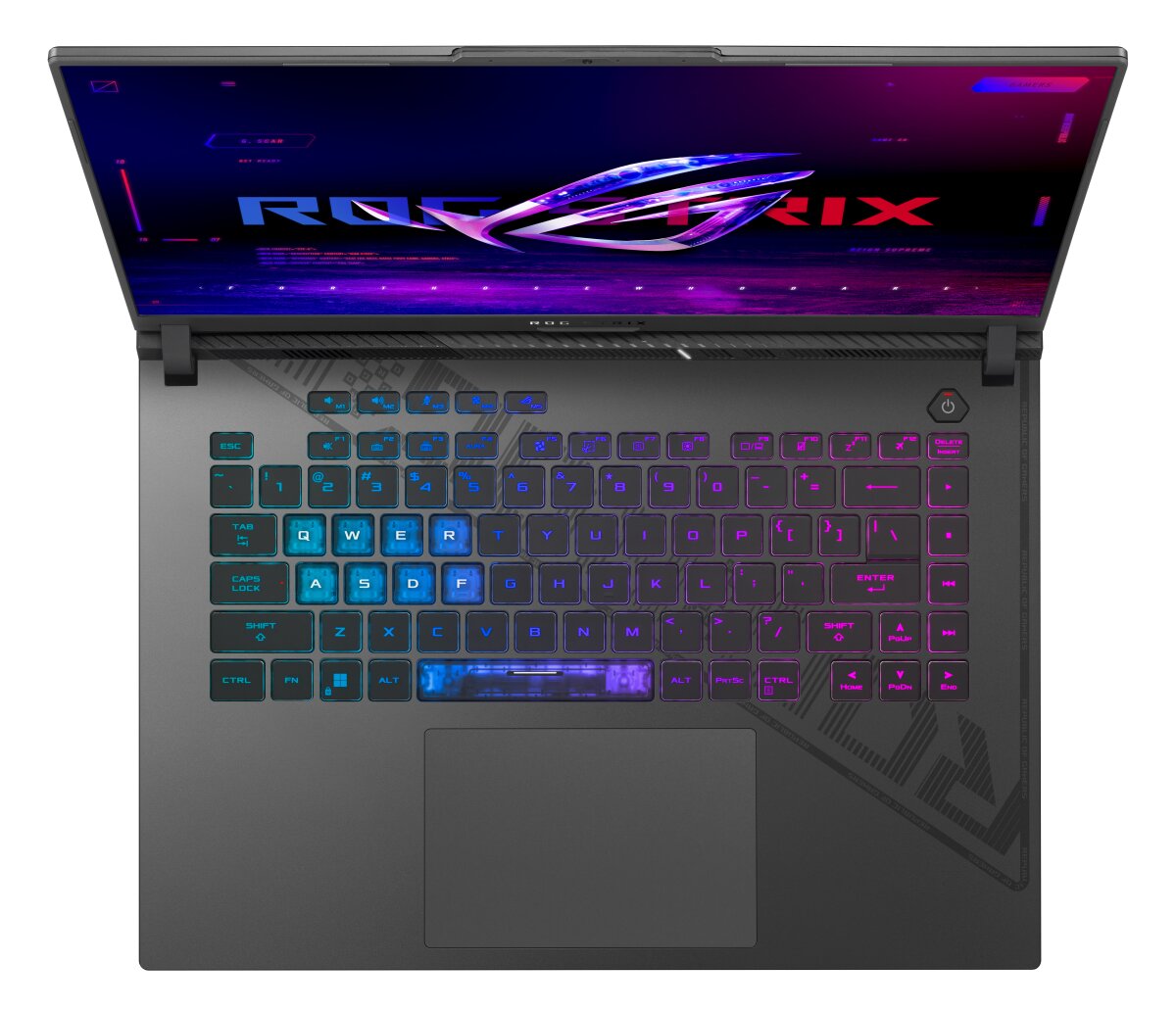
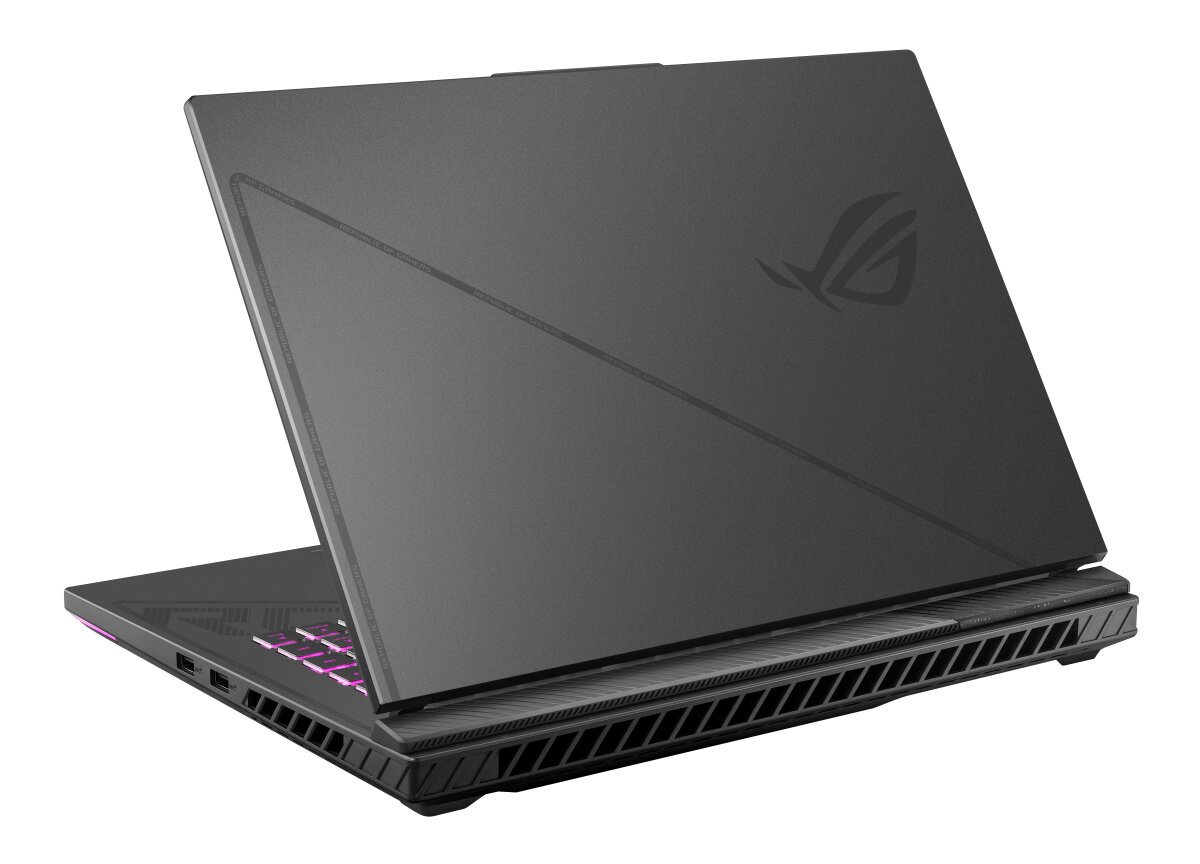
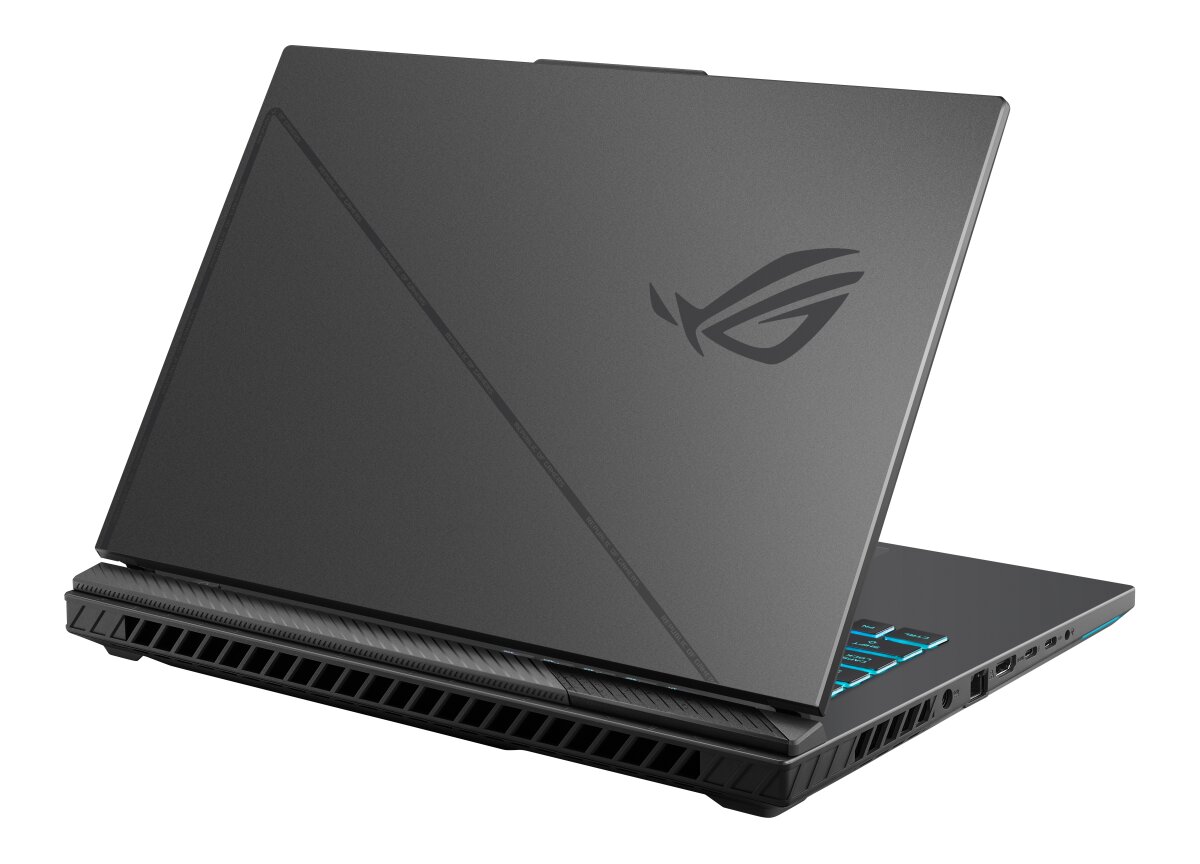
ASUS ROG Strix G16 G614JI-N4081W RAM upgrade specifications include DDR5-SDRAM memory compatible with 2x SO-DIMM slots. Maximum memory capacity reaches 32 GB total. Memory operates at 4800 MHz frequency. Upgrade specifications support DDR5-SDRAM form factor SO-DIMM modules for enhanced performance and multitasking capabilities on gaming and professional laptops.
Memory Upgrade Specifications
| Specification | Value |
|---|---|
| Memory slots | 2x SO-DIMM |
| Form factor | SO-DIMM |
| Memory type | DDR5-SDRAM |
| Frequency | 4800 MHz |
| Maximum RAM | 32 GB |
| Voltage | 1.1V |
| Number of pins | 262-pin |
| Interface | PC5 |
| PC Speed Rating | PC5-4800 (PC5-38400) |
| Bandwidth | 38.4 GB/s |
| Laptop Release date | 08 January 2023 |
Additional Notes
- The ASUS ROG G614JI-N4081W accepts only DDR5 SO-DIMM modules, rendering all DDR4 inventory incompatible regardless of speed or capacity rating.
- The 32 GB maximum capacity constraint limits each SO-DIMM slot to 16 GB modules when operating in dual-channel configuration.
- Installing a single 32 GB module would exceed the documented maximum supported capacity and may cause POST failures or system instability.
- DDR5 modules rated above 4800 MHz will downclock to the supported frequency, wasting premium pricing on unused performance headroom.
- The 2 SO-DIMM slot configuration requires both modules to share identical specifications for stable dual-channel operation, including matching density, timings, and voltage profiles.
- SO-DIMM form factor physically prevents installation of standard DIMM modules used in desktop systems, requiring laptop-specific inventory.
- Memory upgrades exceeding factory configurations may void warranty coverage depending on regional service policies and tamper evidence seals.
- DDR5 voltage requirements differ from DDR4 standards, making physical keying the only safeguard against installation attempts with incompatible generation modules.
- The 4800 MHz base frequency represents JEDEC standard speed, while higher XMP/EXPO profiles require BIOS support that may not exist in locked mobile platforms.
- Mixing module capacities between slots forces operation at the lowest common denominator speed and may disable dual-channel bandwidth advantages.
- Third-party modules lacking proper SPD programming for DDR5 timings can cause training failures during boot sequence despite meeting published specifications.