ASUS ROG G614JIR-N4050W-BE RAM upgrade specifications
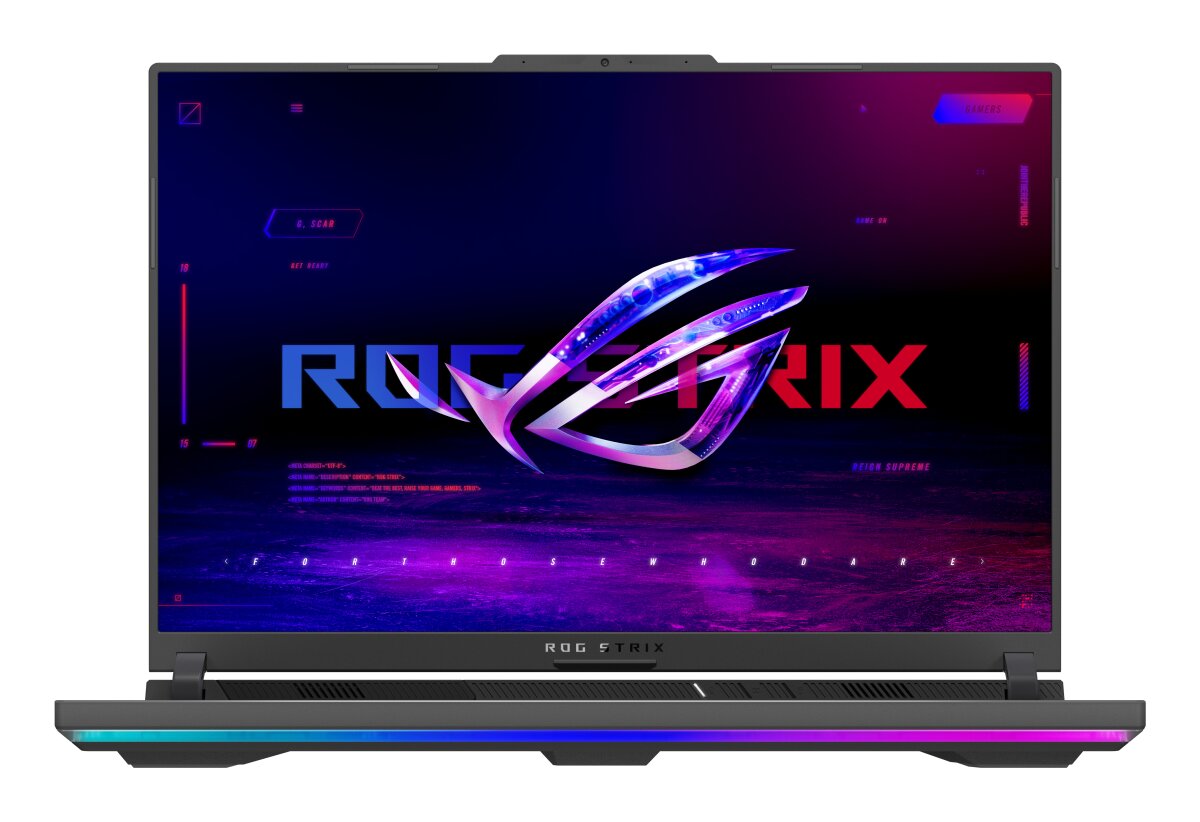
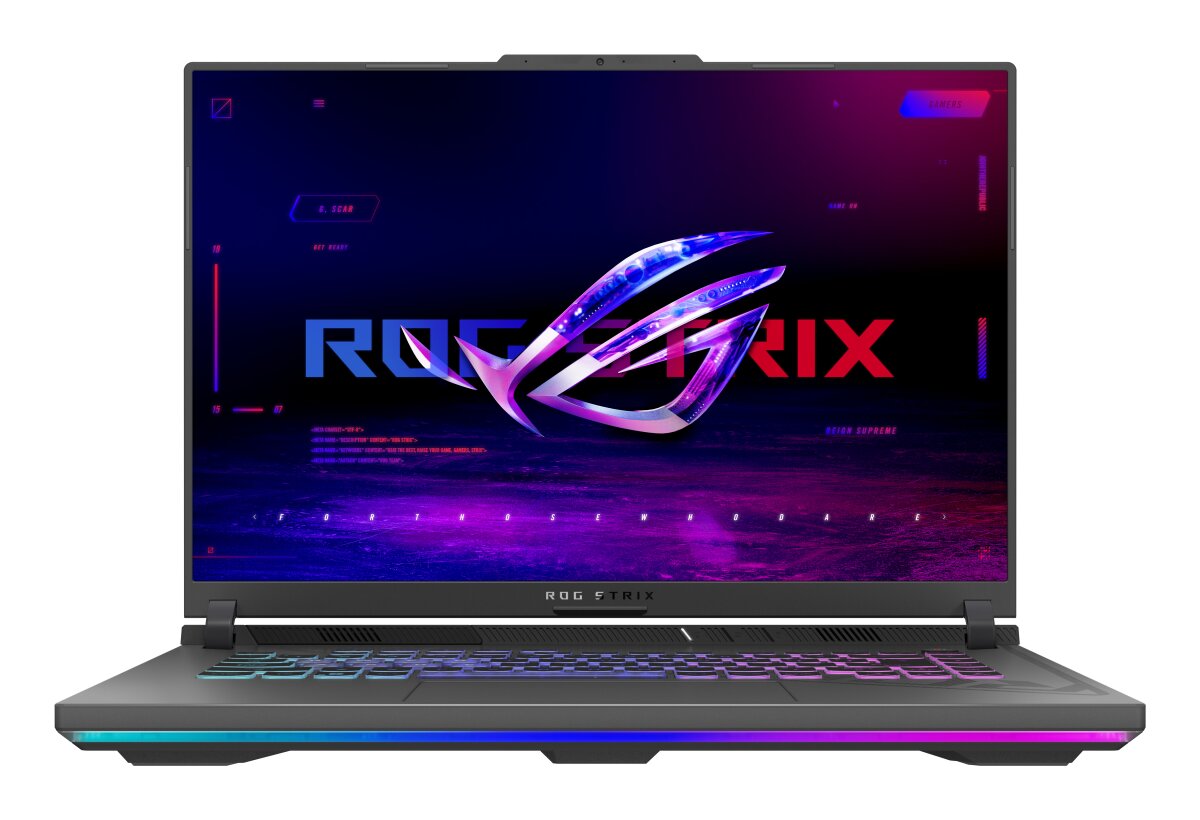
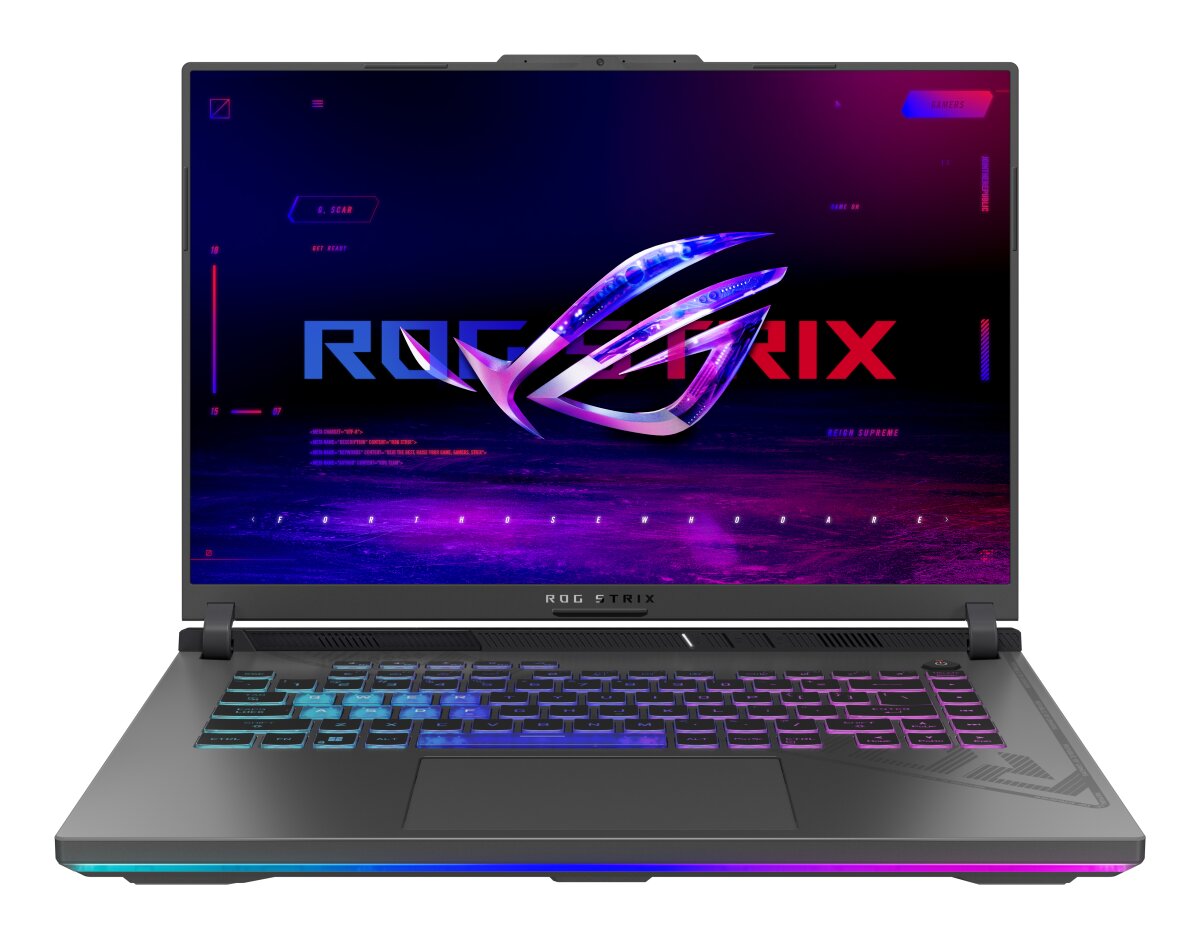
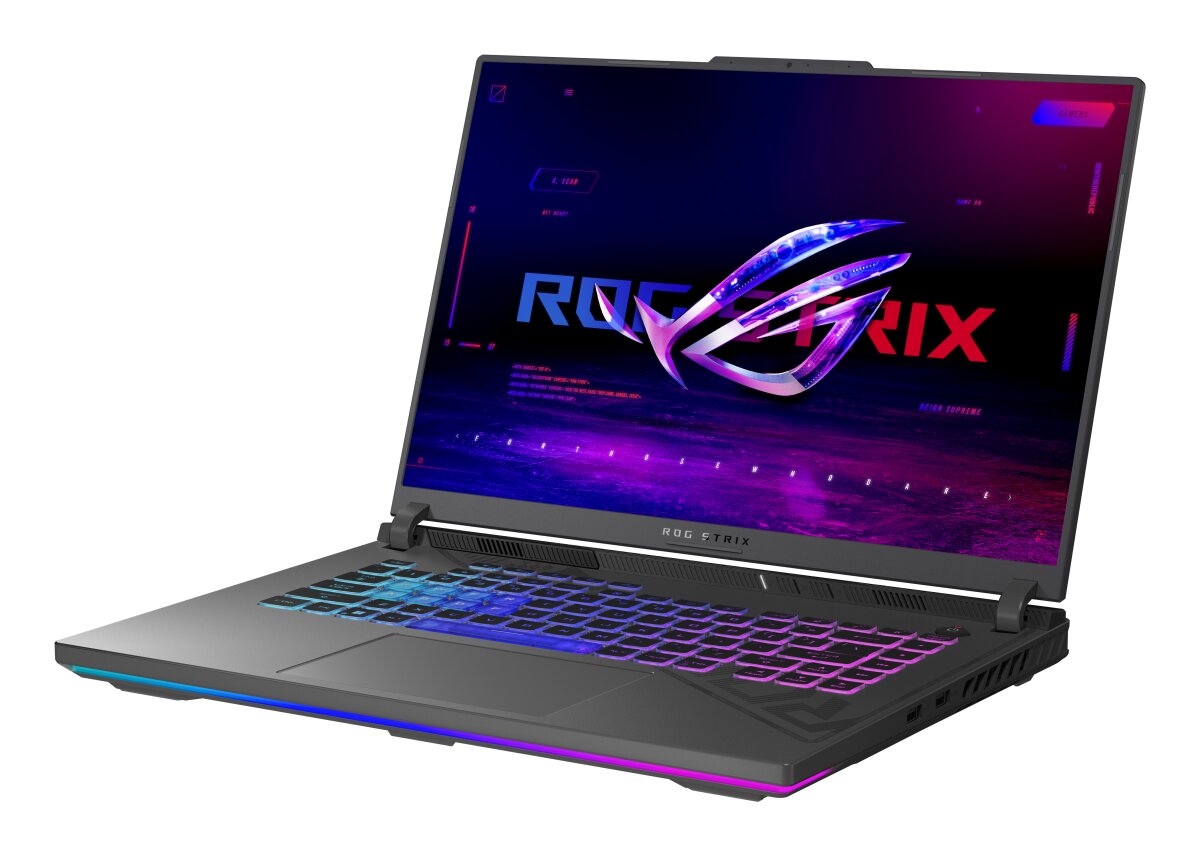
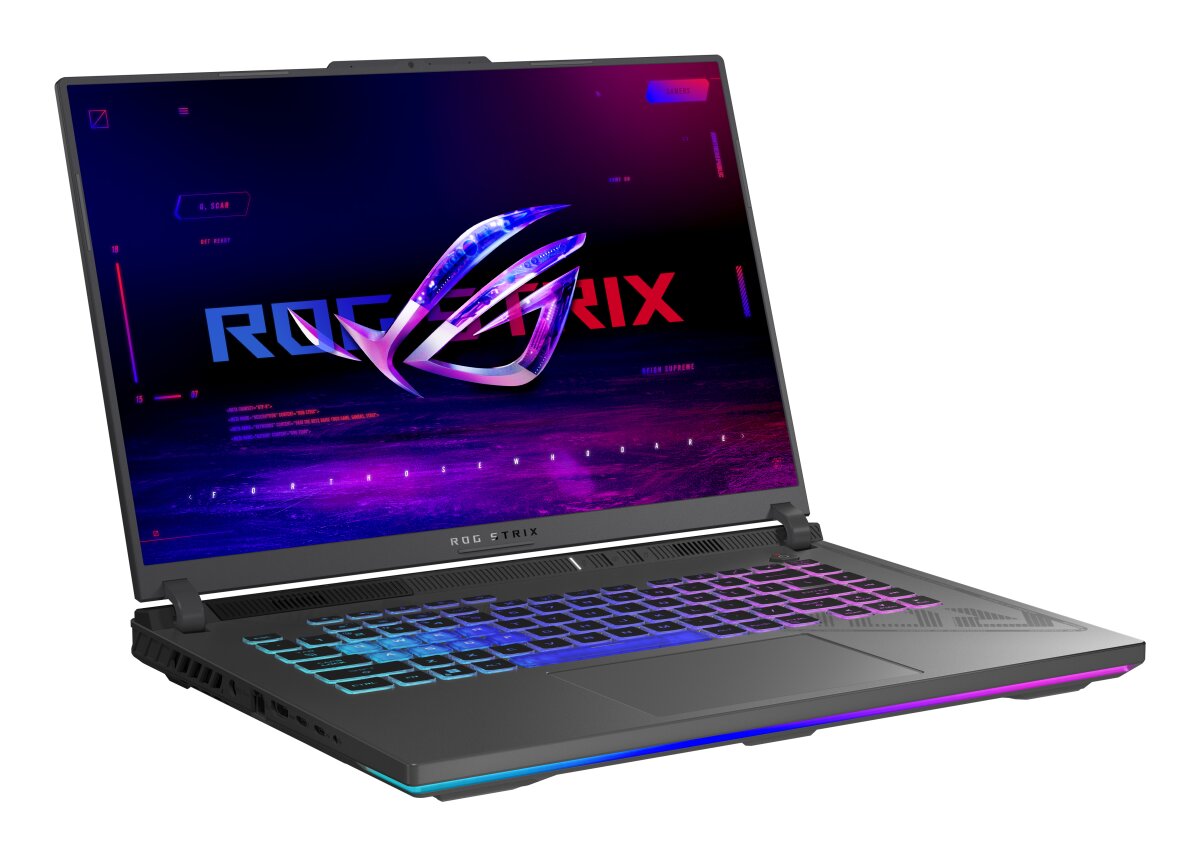
The ASUS ROG Strix G16 G614JIR-N4050W-BE laptop features DDR5-SDRAM memory upgrade specifications with two SO-DIMM slots supporting maximum capacity of 32 GB total. Compatible memory operates at 5600 MHz frequency. The upgrade accommodates SO-DIMM form factor modules, enabling users to expand the system's memory capacity for enhanced multitasking and performance. Specifications indicate maximum RAM upgrade potential and slot configuration for this gaming laptop model.
Memory Upgrade Specifications
| Specification | Value |
|---|---|
| Memory slots | 2x SO-DIMM |
| Form factor | SO-DIMM |
| Memory type | DDR5-SDRAM |
| Frequency | 5600 MHz |
| Maximum RAM | 32 GB |
| Voltage | 1.1V |
| Number of pins | 262-pin |
| Interface | PC5 |
| PC Speed Rating | PC5-5600 (PC5-44800) |
| Bandwidth | 44.8 GB/s |
| Laptop Release date | 09 January 2024 |
Additional Notes
- The ASUS ROG G614JIR-N4050W-BE utilizes DDR5 architecture at 5600 MHz, which mandates sourcing DDR5-specific modules rather than backward-compatible DDR4 alternatives, as physical keying differences prevent installation of older-generation memory.
- SO-DIMM capacity density limitations mean upgrading from factory configuration to the 32 GB maximum requires single modules rated at 16 GB or higher; availability of high-density SO-DIMM DDR5 modules remains constrained relative to standard UDIMM desktop counterparts.
- The 2-slot architecture eliminates staged upgrade flexibility; transitioning to maximum capacity requires replacing both existing modules simultaneously rather than supplementing with a single additional stick.
- DDR5-5600 MHz operation depends on BIOS profile support; systems shipped with conservative default timings may not achieve rated speeds without manual BIOS configuration or DOCP/XMP profile activation, affecting observed bandwidth gains during upgrade validation.
- Mobile SO-DIMM modules typically exhibit tighter tolerance specifications than desktop equivalents; mixing different manufacturers or production batches within the 2-slot configuration can trigger compatibility failures or stability issues that do not surface during POST.
- Warranty coverage for RAM replacement in gaming laptops often requires OEM-approved modules; aftermarket upgrades using non-certified DDR5 sticks may void memory-related support despite retaining general hardware coverage.