ASUS ROG G615JMR-DS94 RAM upgrade specifications




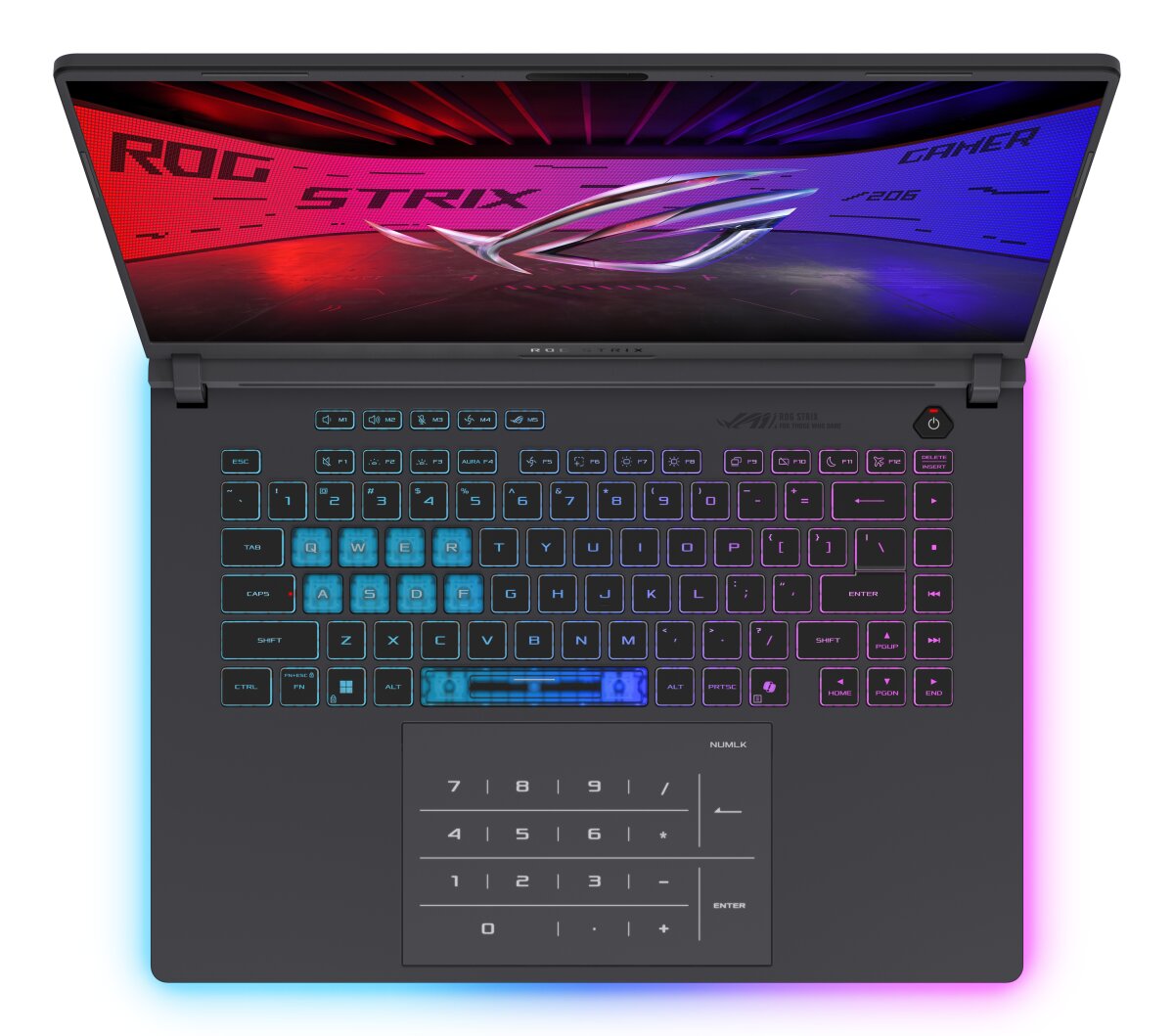
The ASUS ROG Strix G16 G615JMR-DS94 features DDR5-SDRAM memory upgrade specifications with two SO-DIMM slots supporting maximum capacity of 64 GB. Compatible memory modules operate at 5600 MHz frequency. The laptop accommodates SO-DIMM form factor upgrades, enabling users to expand RAM capacity by replacing or adding memory modules in the available slots to enhance system performance and multitasking capabilities.
Memory Upgrade Specifications
| Specification | Value |
|---|---|
| Memory slots | 2x SO-DIMM |
| Form factor | SO-DIMM |
| Memory type | DDR5-SDRAM |
| Frequency | 5600 MHz |
| Maximum RAM | 64 GB |
| Voltage | 1.1V |
| Number of pins | 262-pin |
| Interface | PC5 |
| PC Speed Rating | PC5-5600 (PC5-44800) |
| Bandwidth | 44.8 GB/s |
Additional Notes
- The ASUS ROG G615JMR-DS94 uses SO-DIMM slots, which are physically smaller than standard DIMM modules and are soldered to a compact laptop motherboard with minimal clearance; this restricts upgrades to laptop-specific memory modules only, eliminating compatibility with desktop or server-grade RAM.
- DDR5-5600 MHz memory operates at higher latency tolerances than DDR4 equivalents; bandwidth per gigahertz is mathematically identical, but the doubling of data transfers per clock cycle creates dependency on controller-side optimization that varies between processor generations and may not scale linearly with frequency increases beyond 5600 MHz.
- The 2 SO-DIMM configuration creates a single potential upgrade path: replacing both existing modules with 32 GB units to reach the 64 GB ceiling; partial upgrades that mix module capacities do not improve performance over matched-pair configurations due to the dual-channel architecture expecting symmetrical memory populations.
- SO-DIMM modules generate higher heat density than standard DIMMs due to component proximity; thermal management becomes relevant when upgrading to maximum capacity, as power dissipation concentrates in a localized area near the hinge, potentially affecting sustained performance under load if airflow routing is not validated post-installation.
- Warranty coverage typically remains intact for DDR5 upgrades if modules meet OEM specifications; however, physical installation requires removing system components that may include thermal pads or adhesive seals, which must be documented before disassembly to avoid warranty voidance through improper reassembly.
- The 5600 MHz standard is tied to Raptor Lake or newer processor chipsets; verification of CPU generation is mandatory before purchasing DDR5 modules, as older Alder Lake configurations in some retail units may cap effective frequency lower than the specification sheet indicates, resulting in automatic BIOS downclocking.