ASUS ROG G615LP-S5087W RAM upgrade specifications



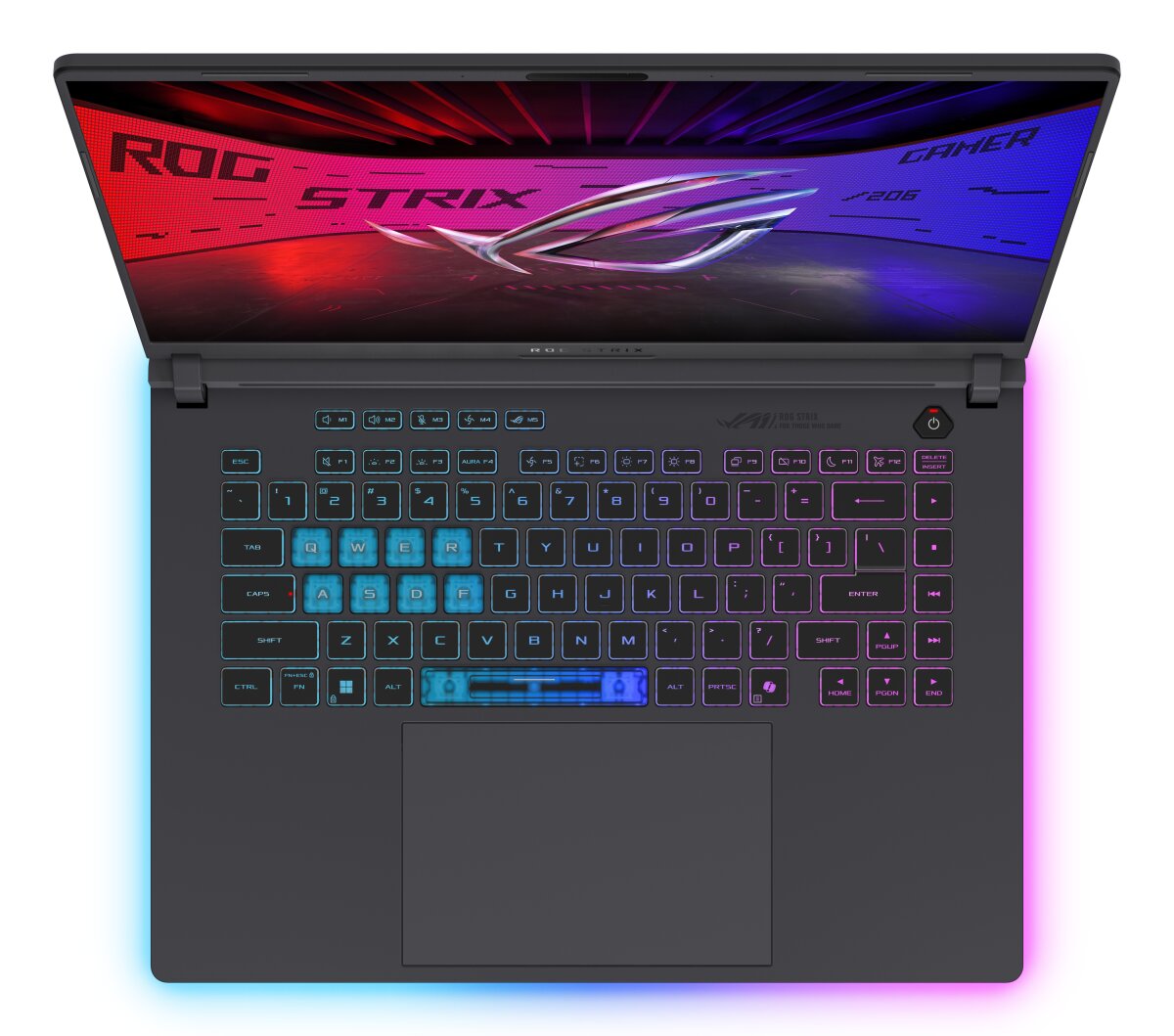

ASUS ROG Strix G16 G615LP-S5087W features DDR5-SDRAM memory upgrade specifications with two SO-DIMM slots supporting maximum capacity of 64 GB. Compatible RAM modules operate at 5600 MHz frequency. Upgrade configurations utilize SO-DIMM form factor memory modules. Specifications indicate dual-slot memory architecture enabling RAM expansion to reach 64 GB maximum capacity for enhanced system performance and multitasking capabilities.
Memory Upgrade Specifications
| Specification | Value |
|---|---|
| Memory slots | 2x SO-DIMM |
| Form factor | SO-DIMM |
| Memory type | DDR5-SDRAM |
| Frequency | 5600 MHz |
| Maximum RAM | 64 GB |
| Voltage | 1.1V |
| Number of pins | 262-pin |
| Interface | PC5 |
| PC Speed Rating | PC5-5600 (PC5-44800) |
| Bandwidth | 44.8 GB/s |
Additional Notes
- The ASUS ROG G615LP-S5087W requires SO-DIMM modules specifically designed for DDR5 architecture, which are physically incompatible with DDR4 SO-DIMMs due to different notch positions and voltage requirements.
- DDR5 modules operating at 5600 MHz provide theoretical bandwidth of 44.8 GB/s per channel, enabling faster texture streaming and asset loading in memory-intensive applications compared to DDR4 equivalents.
- Dual-channel configuration requires matched module pairs to maintain optimal bandwidth, as mismatched capacities or timings may force the memory controller to operate at the speed of the slowest module.
- The 64 GB maximum capacity suggests the platform supports 32 GB modules per slot, which may require verification of CPU memory controller compatibility before purchasing high-density modules.
- DDR5 on-die ECC operates independently of system-level ECC, providing automatic single-bit error correction without requiring registered modules or BIOS configuration.
- Higher frequency DDR5 modules rated above 5600 MHz may downclock to this base specification if the memory controller does not support overclocking profiles or JEDEC speeds beyond this threshold.
- The 2-slot configuration limits future expansion to capacity upgrades only, as all slots must be populated from the start to achieve dual-channel operation.
- Thermal considerations become relevant with DDR5 due to higher operating temperatures compared to DDR4, though SO-DIMM form factor typically includes integrated heat spreaders for laptop chassis cooling integration.
- Replacement modules must meet the SO-DIMM 262-pin specification standard for DDR5, which differs from the 260-pin DDR4 SO-DIMM format.
- System warranty implications depend on whether memory access requires breaking manufacturer seals, as some ROG models feature user-accessible panels while others require full disassembly.