ASUS ROG G712LV-H7077 RAM upgrade specifications
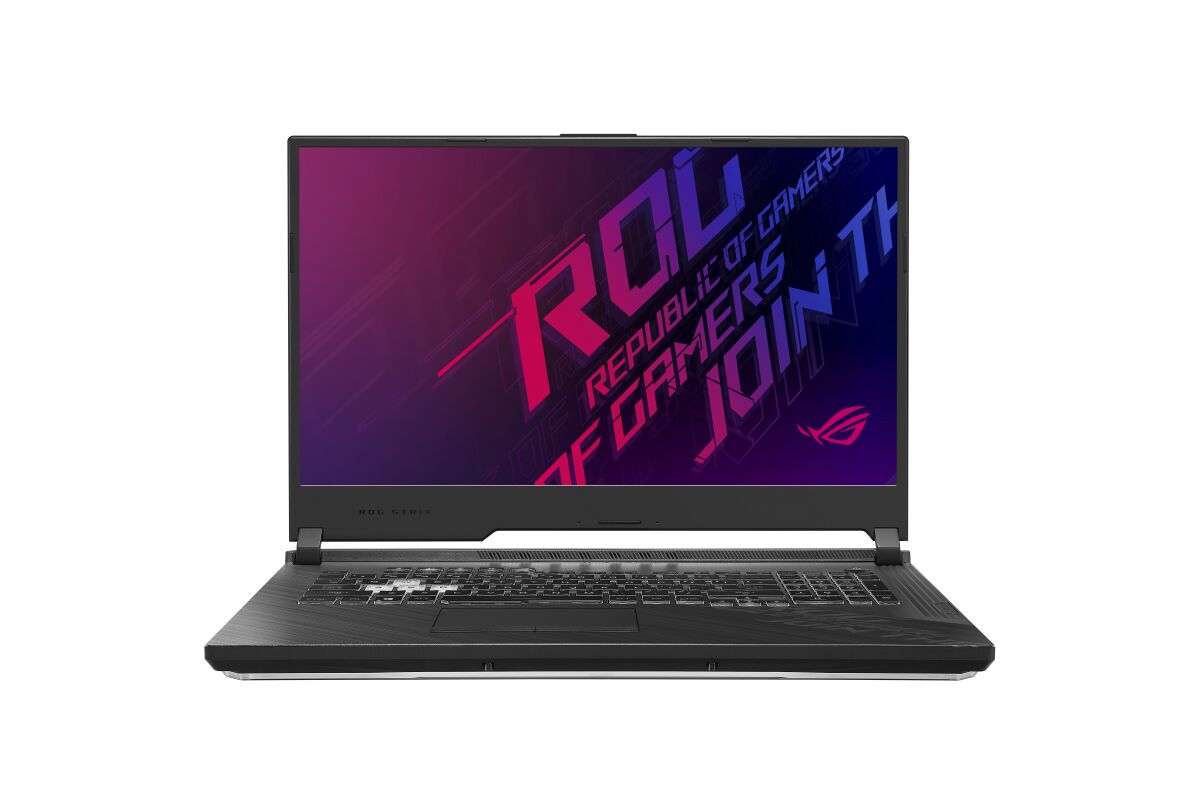
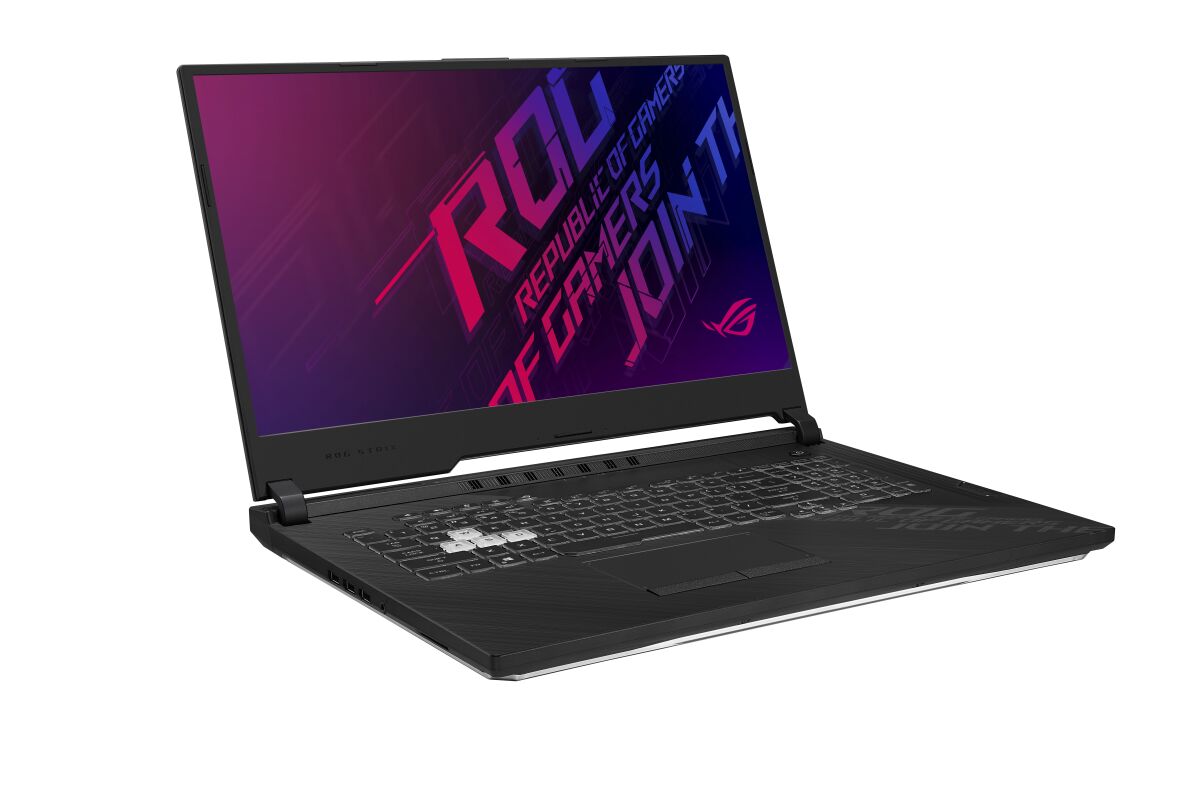
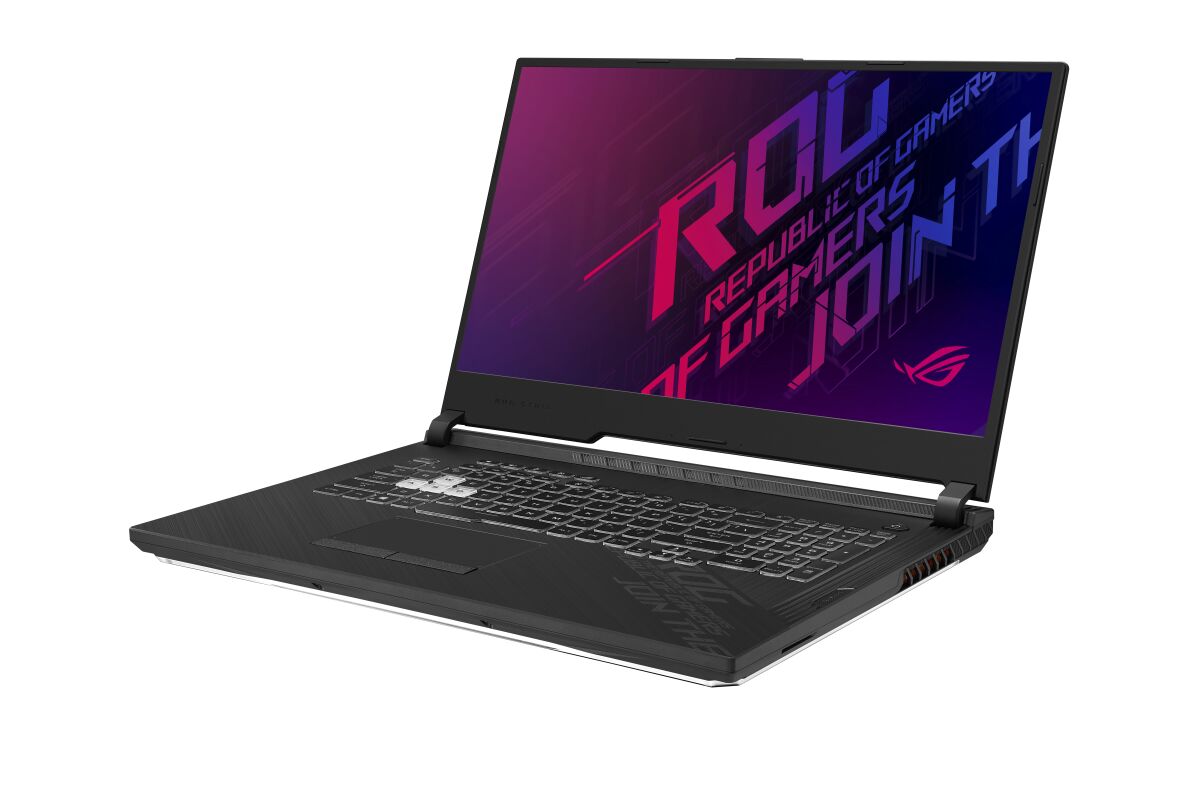
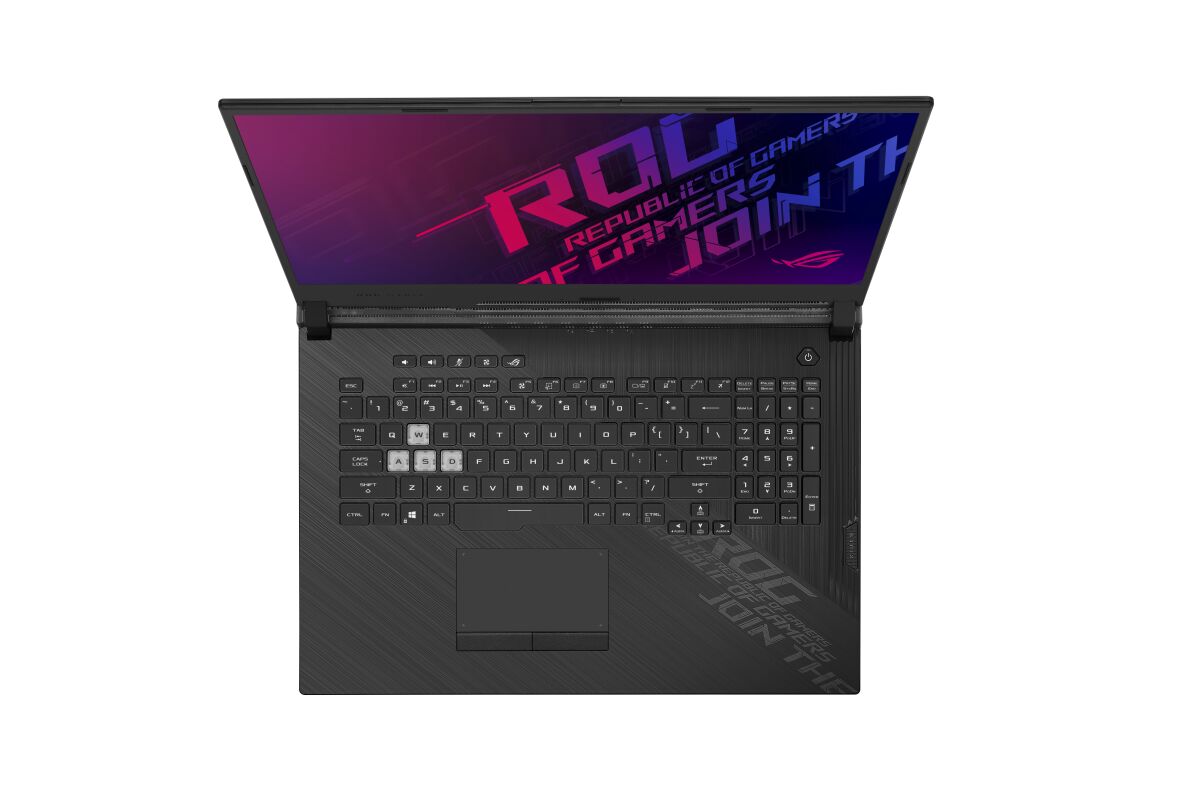
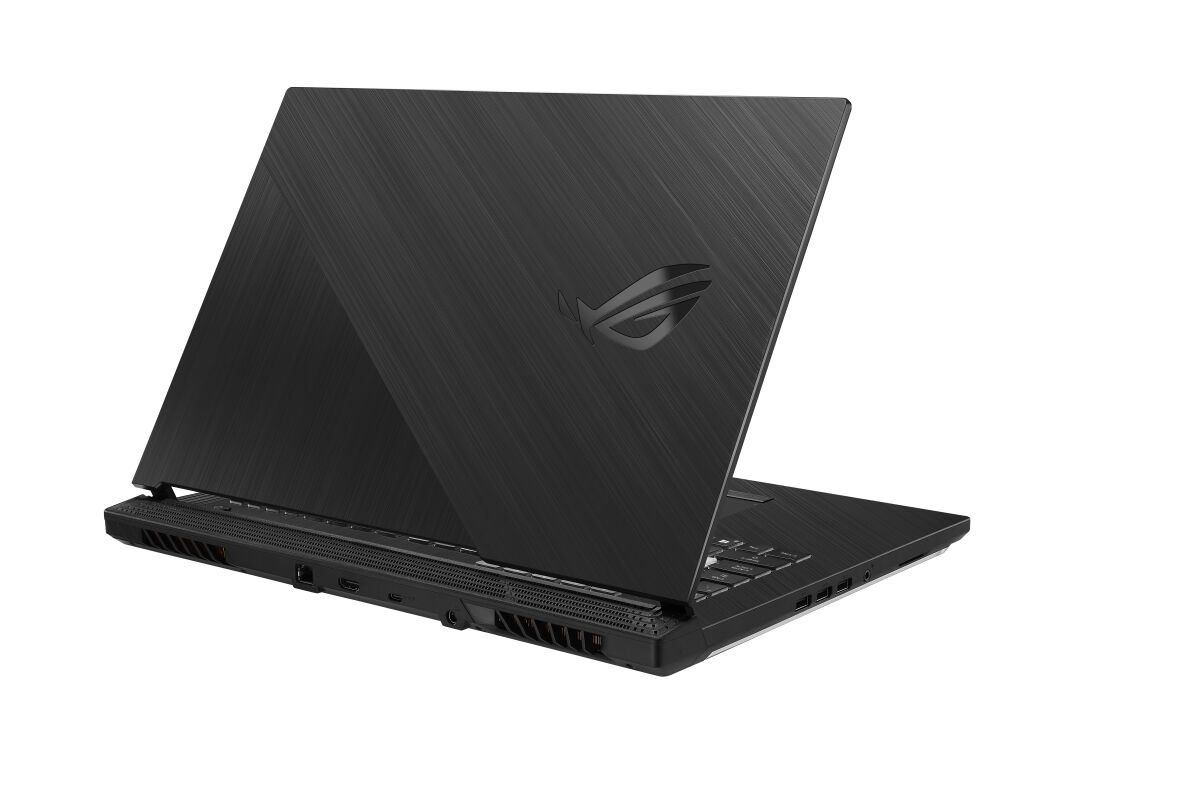
The ASUS ROG Strix G17 G712LV-H7077 gaming laptop features two SO-DIMM slots for memory upgrades. Maximum RAM capacity reaches 32 GB utilizing DDR4-SDRAM modules operating at 3200 MHz frequency. Compatible memory upgrades support the SO-DIMM form factor specification standard for portable computing systems. Current memory configuration specifications permit installation of upgrade components matching DDR4 technology standards and timing requirements established for the G712LV-H7077 platform.
Memory Upgrade Specifications
| Specification | Value |
|---|---|
| Memory slots | 2x SO-DIMM |
| Form factor | SO-DIMM |
| Memory type | DDR4-SDRAM |
| Frequency | 3200 MHz |
| Maximum RAM | 32 GB |
| Voltage | 1.2V |
| Number of pins | 260-pin |
| Interface | PC4 |
| PC Speed Rating | PC4-3200 (PC4-25600) |
| Bandwidth | 25.6 GB/s |
| Laptop Release date | 16 February 2021 |
Additional Notes
- The ASUS ROG G712LV-H7077 motherboard architecture limits total system memory to 32 GB across both slots, requiring 16 GB modules to reach maximum capacity.
- SO-DIMM form factor compatibility excludes standard desktop DIMM modules due to physical pin configuration and length differences of approximately 37 millimeters.
- Native 3200 MHz operation depends on Intel XMP 2.0 profile support; JEDEC fallback typically defaults to 2933 MHz or 2666 MHz base specification without manual BIOS configuration.
- Dual-channel memory population requires matched module pairs in both slots to enable full bandwidth utilization of 51.2 GB/s theoretical throughput.
- Single-slot upgrade scenarios create asymmetric channel configuration, halving effective memory bandwidth and potentially reducing integrated graphics performance.
- Voltage specification adherence to 1.2V standard prevents compatibility with legacy DDR4 modules rated at 1.35V or higher without potential stability issues.
- CAS latency tolerance typically ranges from CL16 to CL22 at 3200 MHz, with tighter timings improving frame pacing in CPU-dependent gaming scenarios.
- Bottom panel disassembly grants direct access to both memory slots without motherboard removal, maintaining manufacturer warranty conditions under most regional service policies.
- ECC unbuffered module compatibility remains unverified for consumer laptop chipsets, limiting enterprise-grade error correction deployment.
- Thermal proximity to GPU heat sink assembly may elevate DIMM operating temperatures above 85°C under sustained loads, affecting long-term stability with lower-grade ICs.