ASUS ROG G713PI-LL066W RAM upgrade specifications

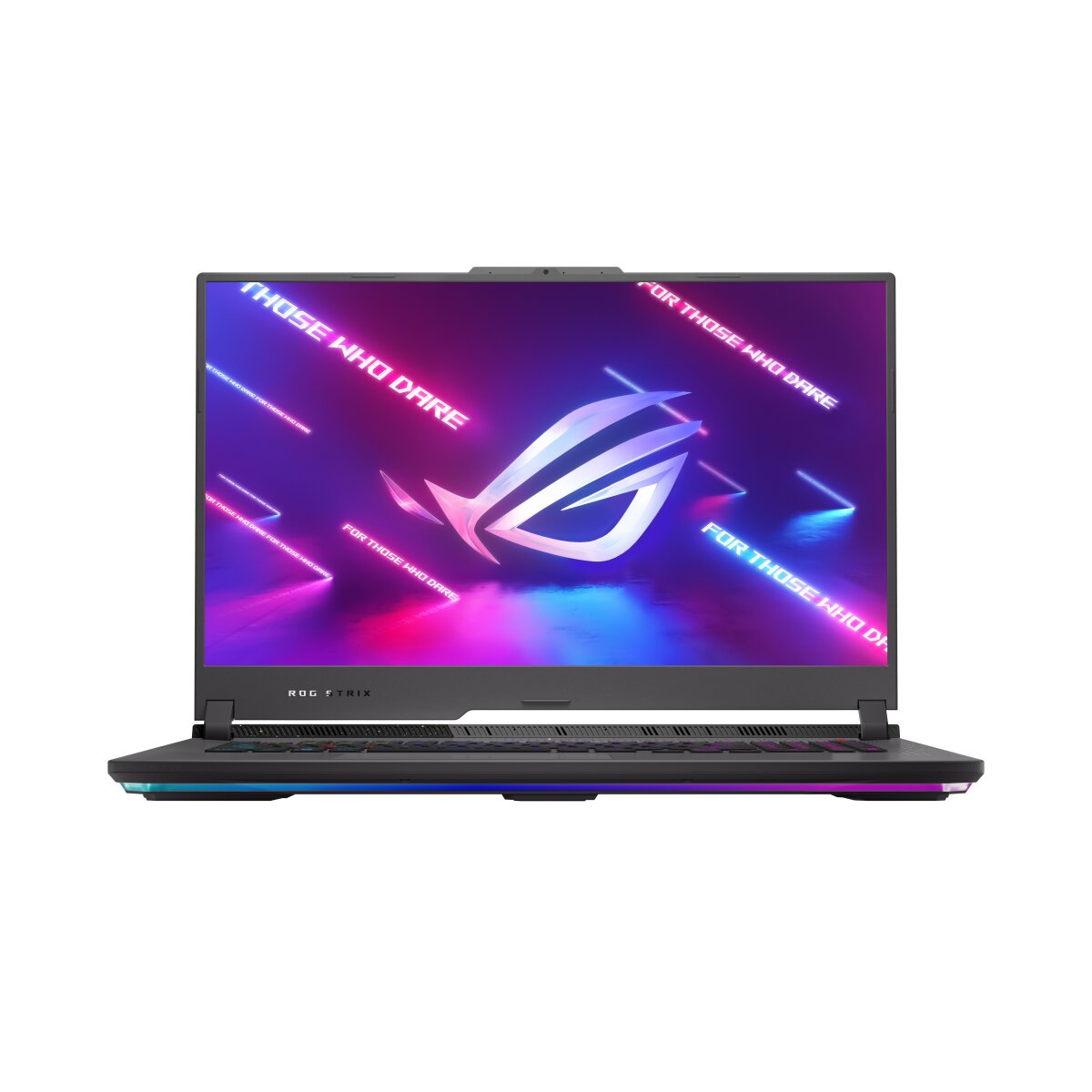



ASUS ROG Strix G17 series model G713PI-LL066W supports DDR5-SDRAM memory upgrades. Specifications include two SO-DIMM slots with maximum compatible capacity of 32 GB total RAM. Memory operates at 4800 MHz frequency. Upgrade configurations accommodate SO-DIMM form factor modules. Maximum single module capacity reaches 16 GB per slot. Memory specifications are compatible with DDR5 standard architecture for this gaming laptop model.
Memory Upgrade Specifications
| Specification | Value |
|---|---|
| Memory slots | 2x SO-DIMM |
| Form factor | SO-DIMM |
| Memory type | DDR5-SDRAM |
| Frequency | 4800 MHz |
| Maximum RAM | 32 GB |
| Voltage | 1.1V |
| Number of pins | 262-pin |
| Interface | PC5 |
| PC Speed Rating | PC5-4800 (PC5-38400) |
| Bandwidth | 38.4 GB/s |
| Laptop Release date | 09 February 2023 |
Additional Notes
- The ASUS ROG G713PI-LL066W accepts only DDR5 SO-DIMM modules, preventing the use of older DDR4 memory due to incompatible pin configurations and voltage requirements.
- The 32 GB ceiling suggests a chipset limitation or maximum per-slot capacity constraint, typically allowing either 2x16 GB modules but restricting higher-density configurations.
- DDR5 modules require PMIC (Power Management Integrated Circuit) on each stick, increasing module cost compared to DDR4 and making non-compliant modules physically incompatible with the motherboard's power delivery system.
- The 4800 MHz specification represents JEDEC standard base speed for DDR5, indicating the system may support XMP/EXPO profiles if higher-rated modules are installed, though stability depends on CPU memory controller capabilities.
- SO-DIMM form factor limits aftermarket module availability compared to desktop DIMM variants, potentially increasing replacement costs and reducing vendor options.
- Dual-channel operation across 2 slots provides maximum memory bandwidth only when populated with matched-capacity modules, while asymmetric configurations activate flex mode with reduced performance in the unmatched capacity range.
- Mixing modules with different timings forces all RAM to operate at the slowest common denominator specifications, potentially degrading performance if mismatched with factory-installed memory.
- DDR5's on-die ECC (error correction) operates independently of system-level ECC support, providing basic data integrity without requiring specific motherboard features or impacting upgrade compatibility.
- Accessing memory slots may require full bottom panel removal or keyboard assembly disassembly depending on internal chassis design, affecting upgrade complexity and potential warranty seal integrity.
- Operating voltage for DDR5 at 1.1V differs from DDR4's 1.2V standard, meaning the memory controller cannot support backward compatibility even with physical adapter modifications.