ASUS ROG G713PI-LL088W RAM upgrade specifications
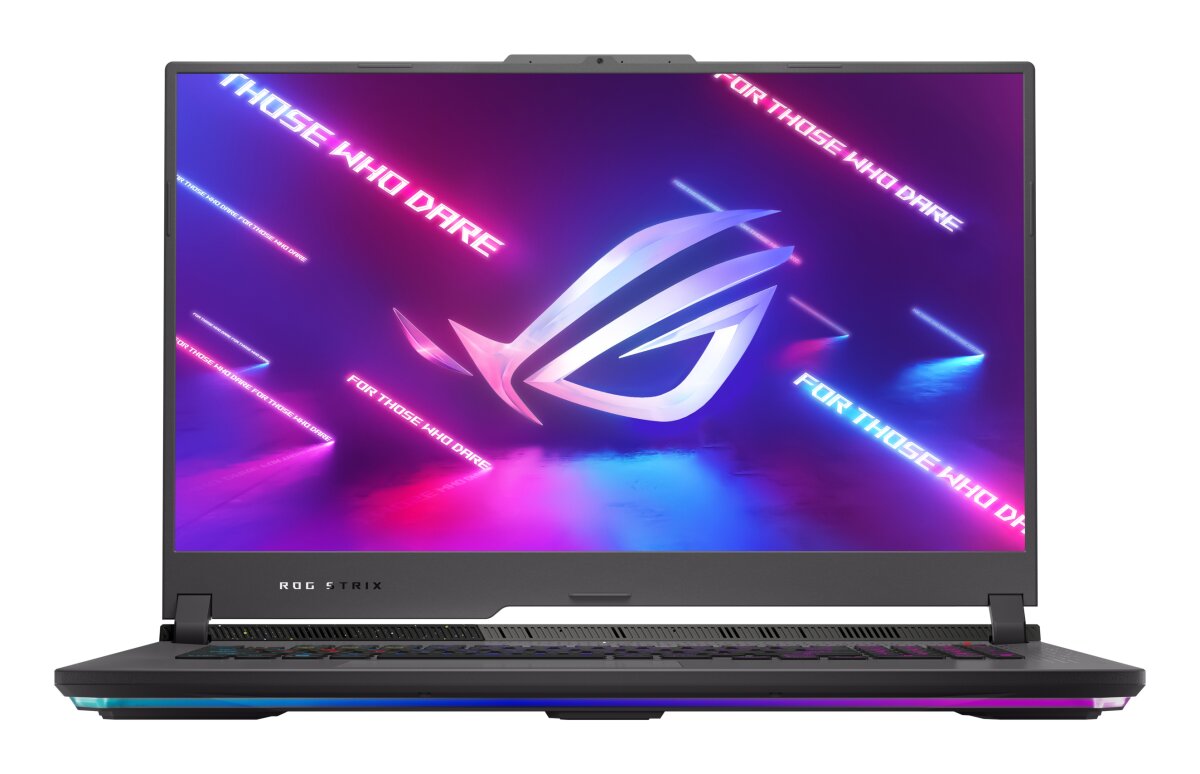
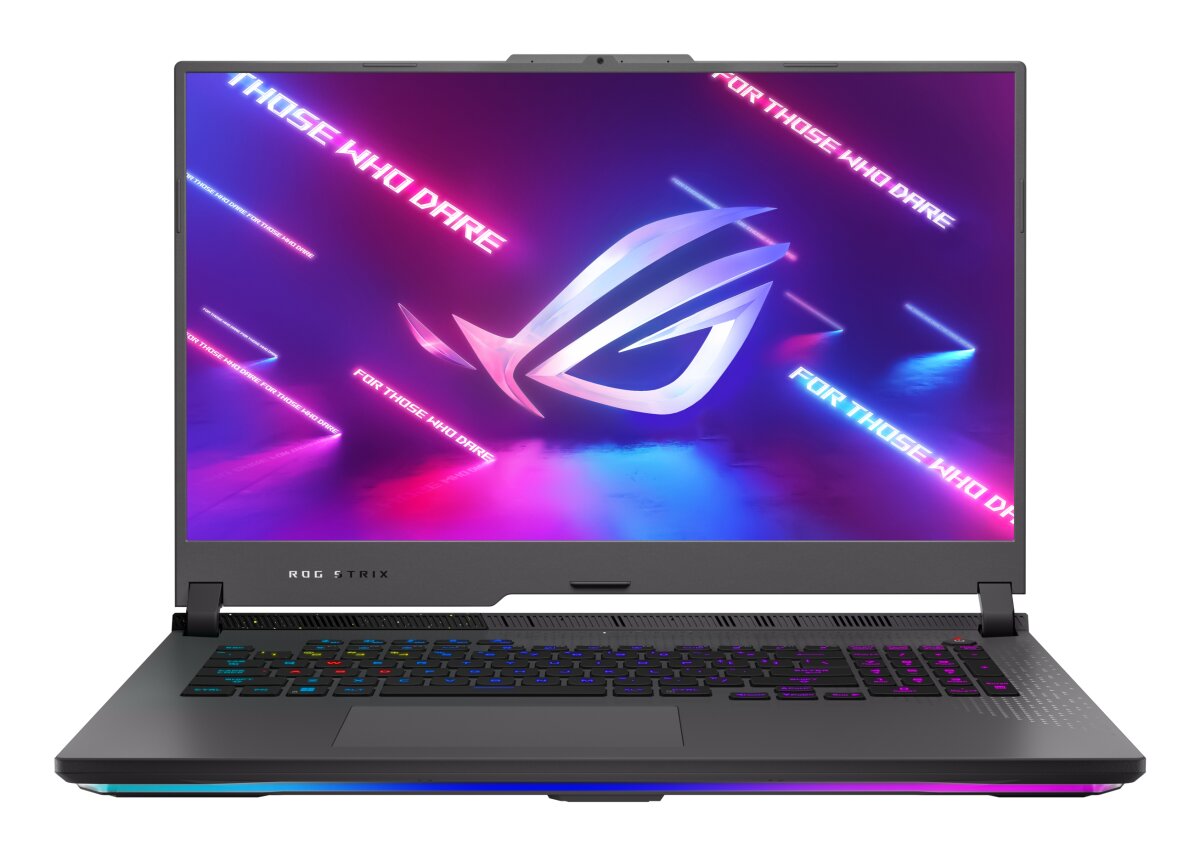
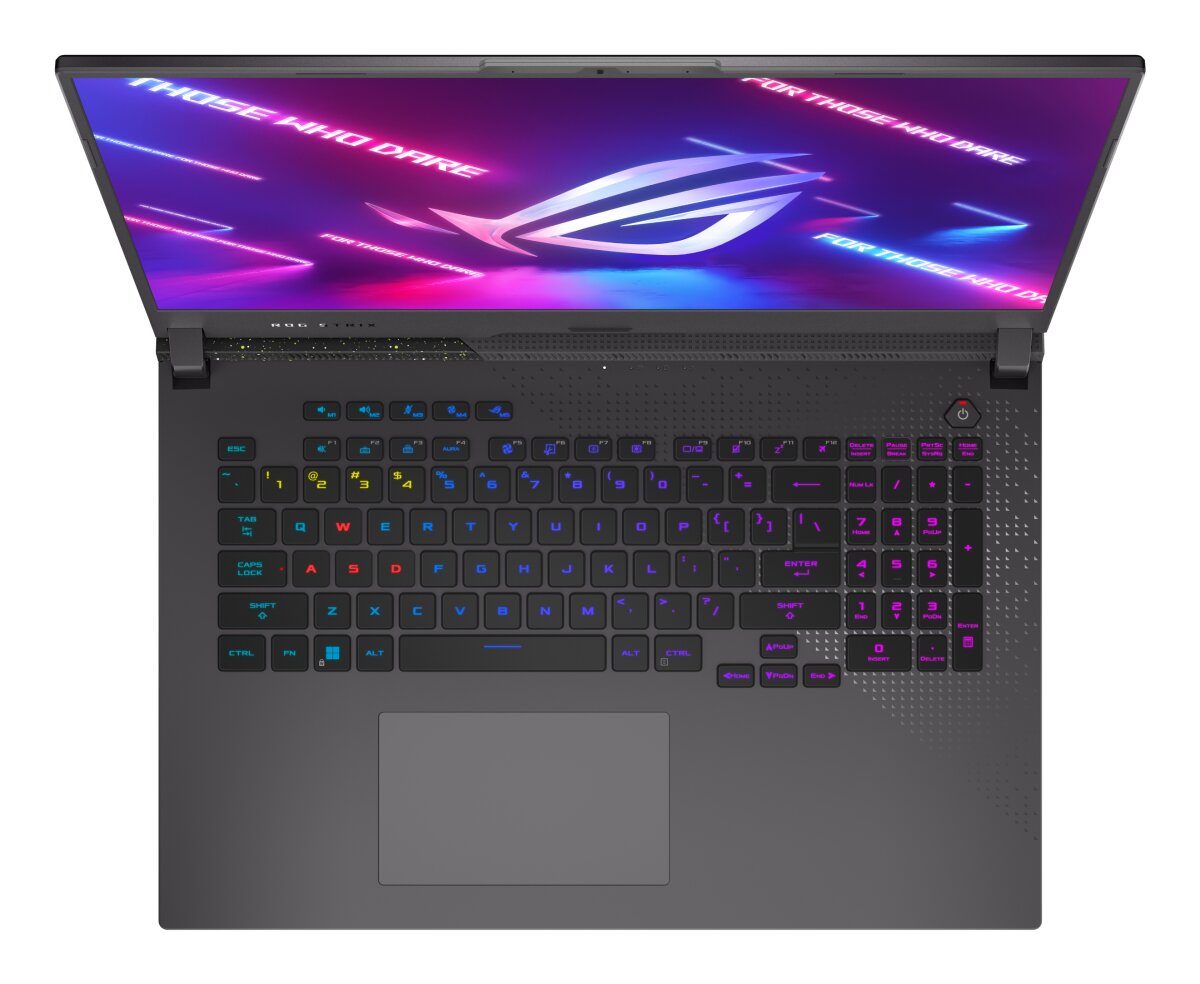
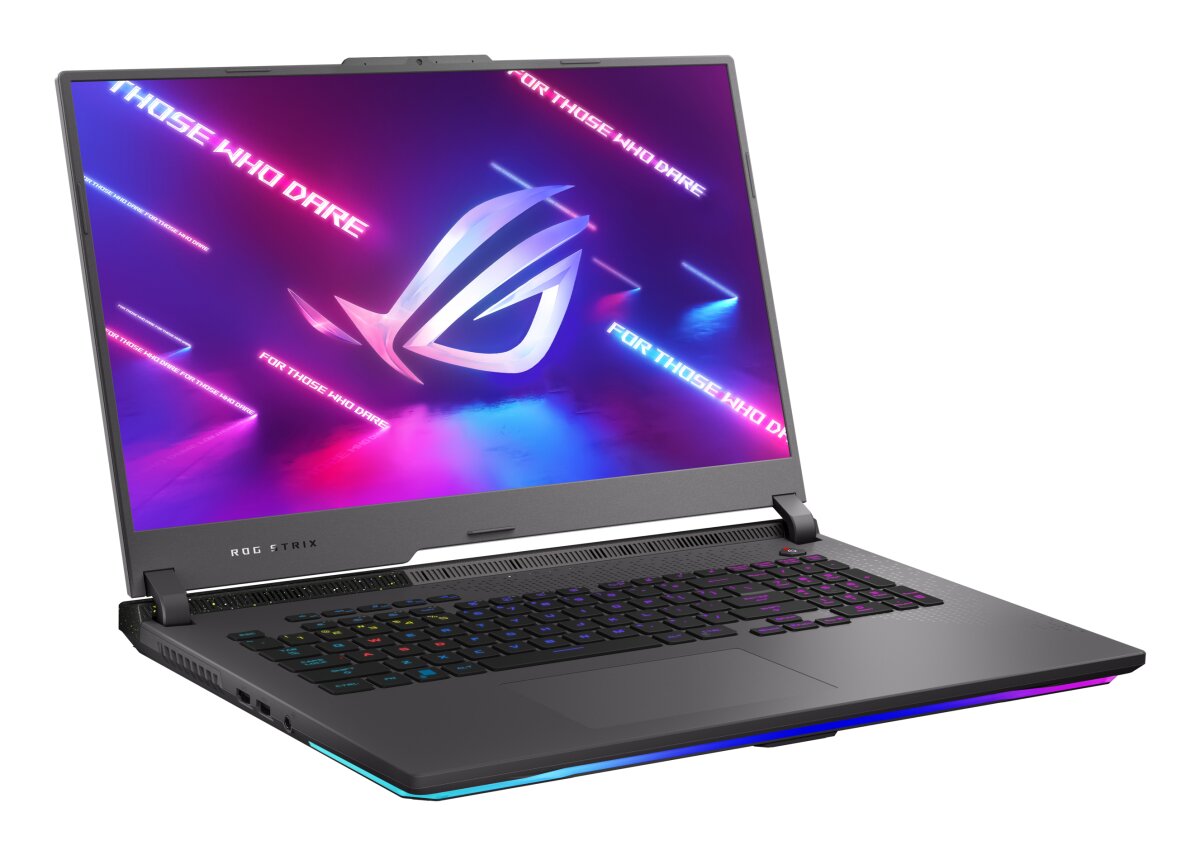
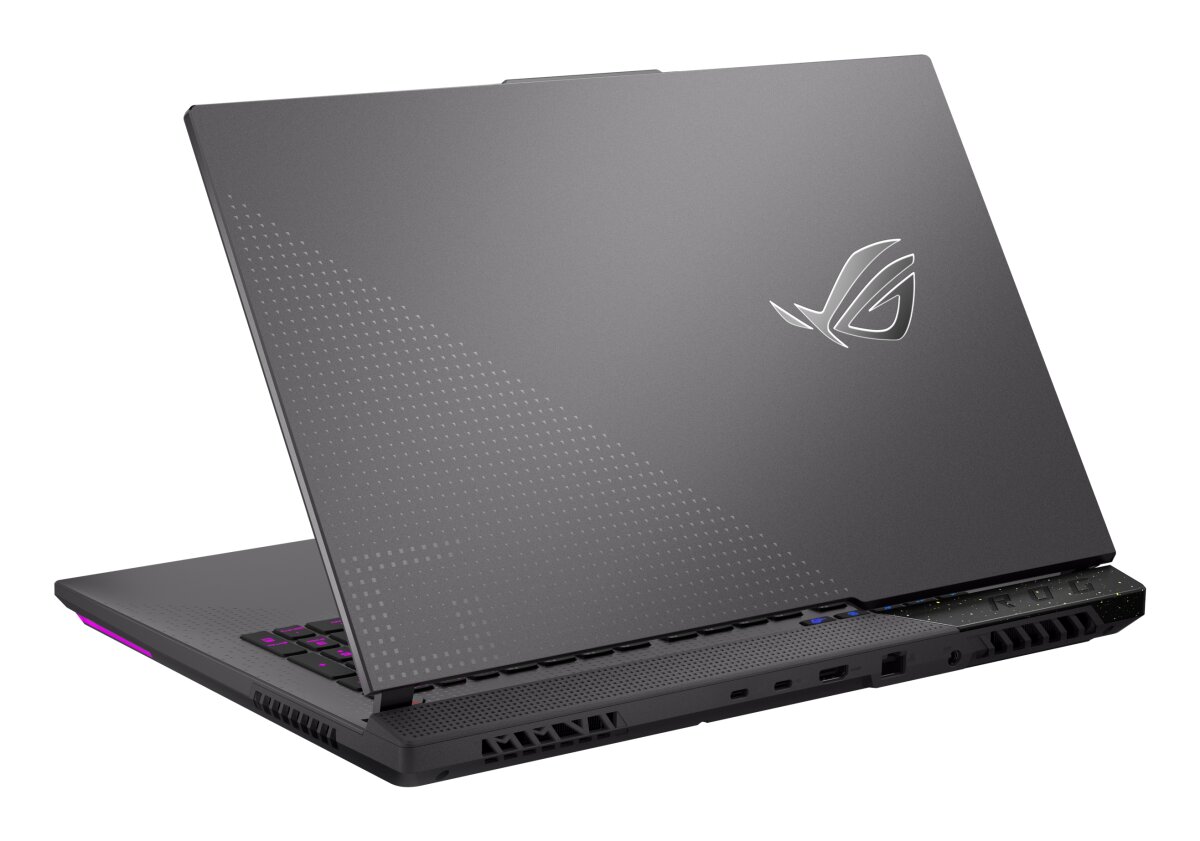
The ASUS ROG Strix G17 G713PI-LL088W laptop features DDR5-SDRAM memory upgrades across two SO-DIMM slots. The specifications support a maximum RAM capacity of 32 GB total, with DDR5 memory operating at 4800 MHz frequency. This gaming laptop remains compatible with SO-DIMM form factor memory modules. Upgrade options allow users to expand the memory configuration to reach the maximum supported capacity for enhanced multitasking and performance capabilities.
Memory Upgrade Specifications
| Specification | Value |
|---|---|
| Memory slots | 2x SO-DIMM |
| Form factor | SO-DIMM |
| Memory type | DDR5-SDRAM |
| Frequency | 4800 MHz |
| Maximum RAM | 32 GB |
| Voltage | 1.1V |
| Number of pins | 262-pin |
| Interface | PC5 |
| PC Speed Rating | PC5-4800 (PC5-38400) |
| Bandwidth | 38.4 GB/s |
Additional Notes
- The ASUS ROG G713PI-LL088W supports only DDR5 modules, making DDR4 memory physically incompatible due to different notch positioning on the SO-DIMM connector.
- The 32 GB ceiling limits each slot to a 16 GB module maximum when using dual-channel configuration.
- Modules rated above 4800 MHz will downclock to this frequency, potentially wasting premium pricing on faster kits.
- Dual-channel operation requires matched capacity modules in both slots to avoid reverting to single-channel mode, which halves memory bandwidth.
- Installing a single module disables dual-channel architecture, reducing theoretical bandwidth from 76.8 GB/s to 38.4 GB/s.
- SO-DIMM form factor restricts compatibility to laptop-specific memory, as desktop DIMM modules will not physically fit the slots.
- Mixing modules with different timings forces both to operate at the slower module's latency specifications.
- DDR5's on-die ECC operates independently of user configuration and does not provide the same error correction as server-grade ECC memory.
- The system likely uses JEDEC standard profiles rather than XMP/EXPO, limiting manual timing adjustments through BIOS.
- Non-matching voltage requirements between mixed modules can cause POST failures or system instability.
- Warranty preservation typically requires avoiding physical damage to clips and maintaining electrostatic discharge precautions during installation.
- The 2-slot configuration prevents future expansion beyond 32 GB without replacing existing modules entirely.
- Third-party modules must meet JEDEC DDR5-4800 specifications to ensure compatibility with the motherboard's memory controller.
- Asymmetric configurations using different capacities per slot enable flex mode, providing dual-channel operation only for the matched portion of total capacity.