ASUS ROG G713PV-LL086-GAMING RAM upgrade specifications
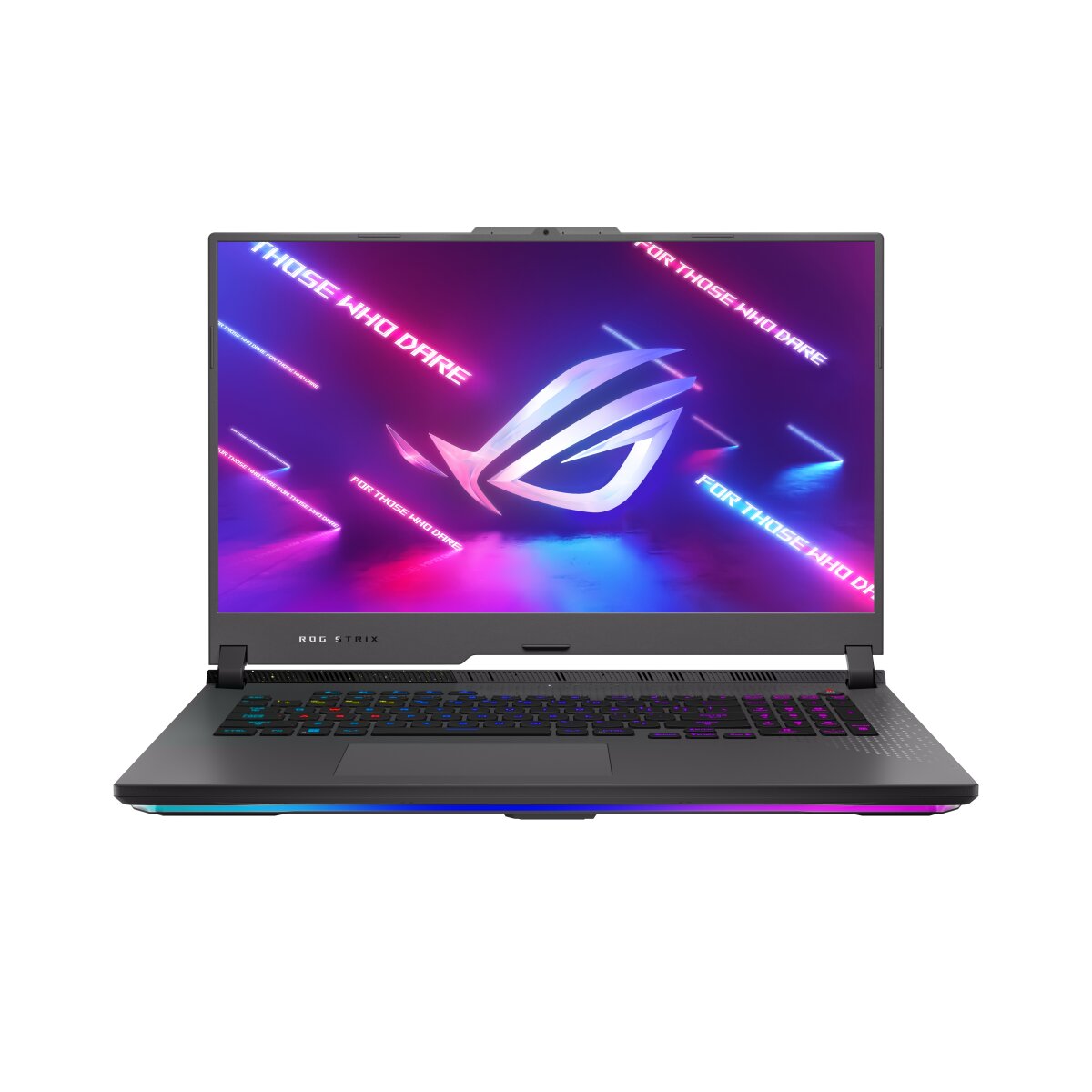
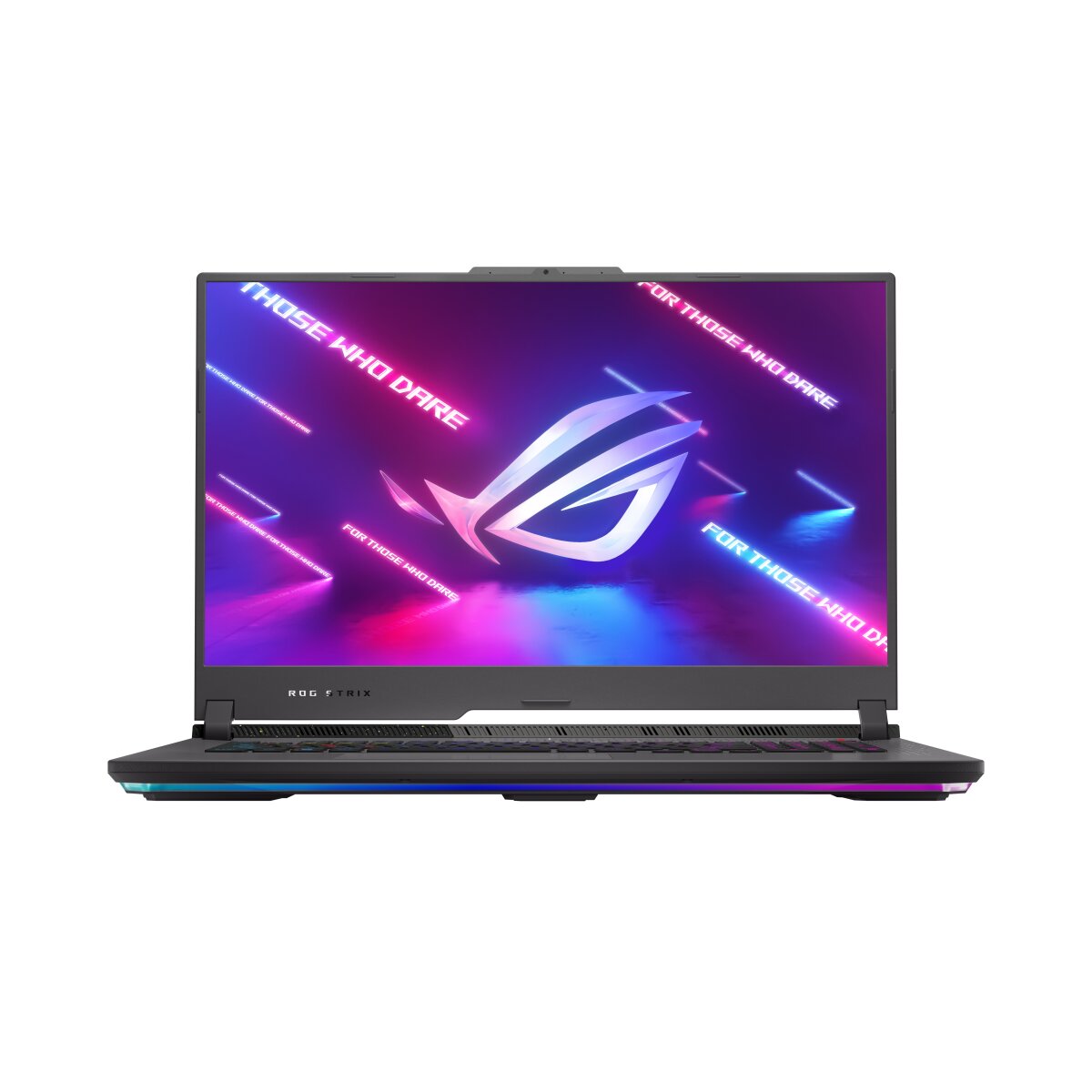



ASUS ROG Strix G17 model G713PV-LL086-GAMING gaming laptop features DDR5-SDRAM memory upgrade specifications with two SO-DIMM slots supporting maximum capacity of 32 GB total RAM. Compatible memory operates at 4800 MHz frequency. Upgrade slots accommodate SO-DIMM form factor modules, allowing users to expand memory configuration based on performance requirements and compatible DDR5 specifications.
Memory Upgrade Specifications
| Specification | Value |
|---|---|
| Memory slots | 2x SO-DIMM |
| Form factor | SO-DIMM |
| Memory type | DDR5-SDRAM |
| Frequency | 4800 MHz |
| Maximum RAM | 32 GB |
| Voltage | 1.1V |
| Number of pins | 262-pin |
| Interface | PC5 |
| PC Speed Rating | PC5-4800 (PC5-38400) |
| Bandwidth | 38.4 GB/s |
Additional Notes
- The ASUS ROG G713PV-LL086-GAMING contains 2 SO-DIMM slots that operate as a dual-channel configuration, meaning memory must be installed in pairs to achieve rated bandwidth performance; single-module installations force single-channel operation and reduce effective memory throughput by approximately 50%.
- DDR5-4800 MHz rated speed requires compatible DDR5 modules, which are not backward compatible with DDR4 systems; replacement modules must explicitly support DDR5 JEDEC specifications or ASUS-validated XMP/DOCP profiles to guarantee stability and warranty coverage.
- The 32 GB maximum capacity ceiling means the upgrade path terminates at 2x16 GB modules; purchasers cannot exceed this limit regardless of future DDR5 density increases, creating a fixed upgrade endpoint within the device lifespan.
- SO-DIMM form factor limits module selection to laptop-specific memory; desktop DDR5 UDIMM modules are physically incompatible and will not install, restricting sourcing options and potentially affecting pricing relative to desktop memory markets.
- Dual-channel memory architecture in a 2-slot configuration leaves no expansion slots; any future capacity increase requires complete module replacement rather than additive upgrades, necessitating repurposing or discarding existing memory.
- 4800 MHz operation depends on BIOS support and CPU memory controller compatibility; older BIOS revisions may default to lower JEDEC speeds (4400 MHz or below), requiring manual frequency adjustment in BIOS or validated XMP profile activation to reach rated performance.