ASUS ROG G713PV-LL145W RAM upgrade specifications

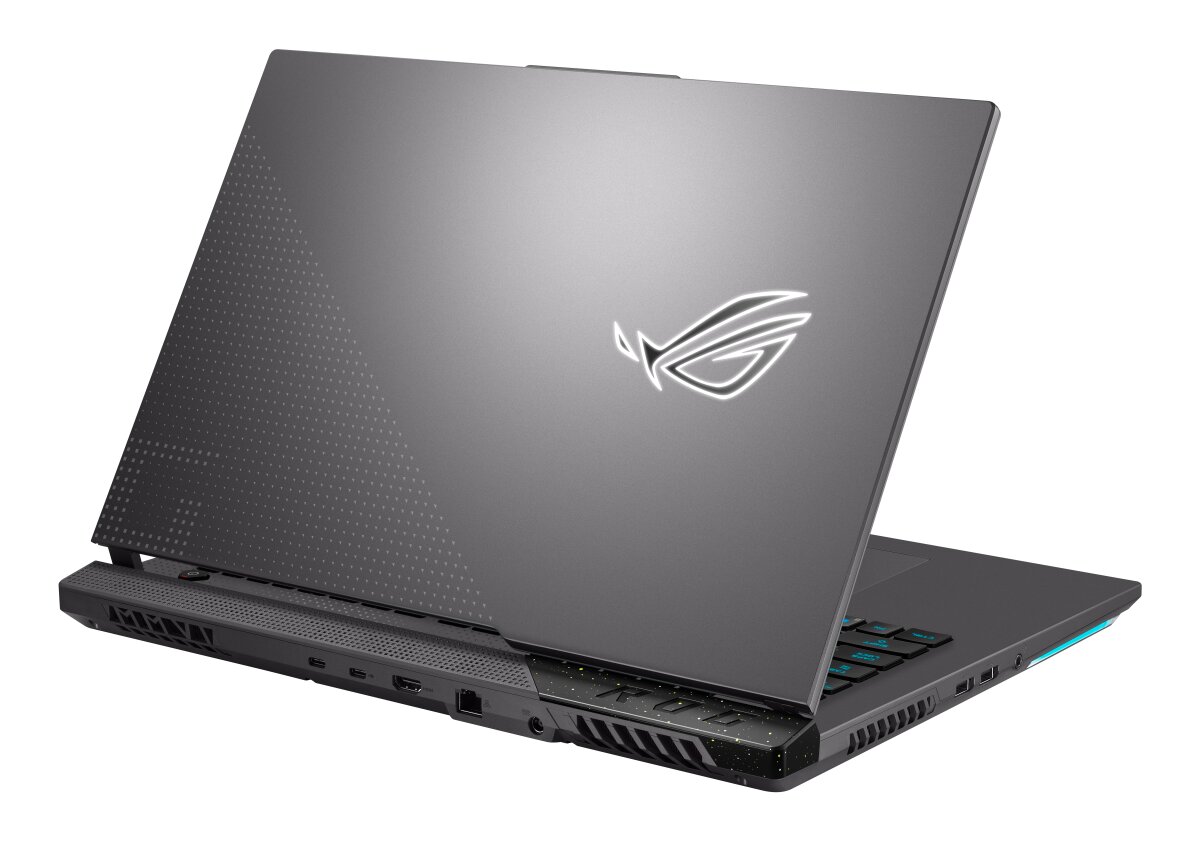
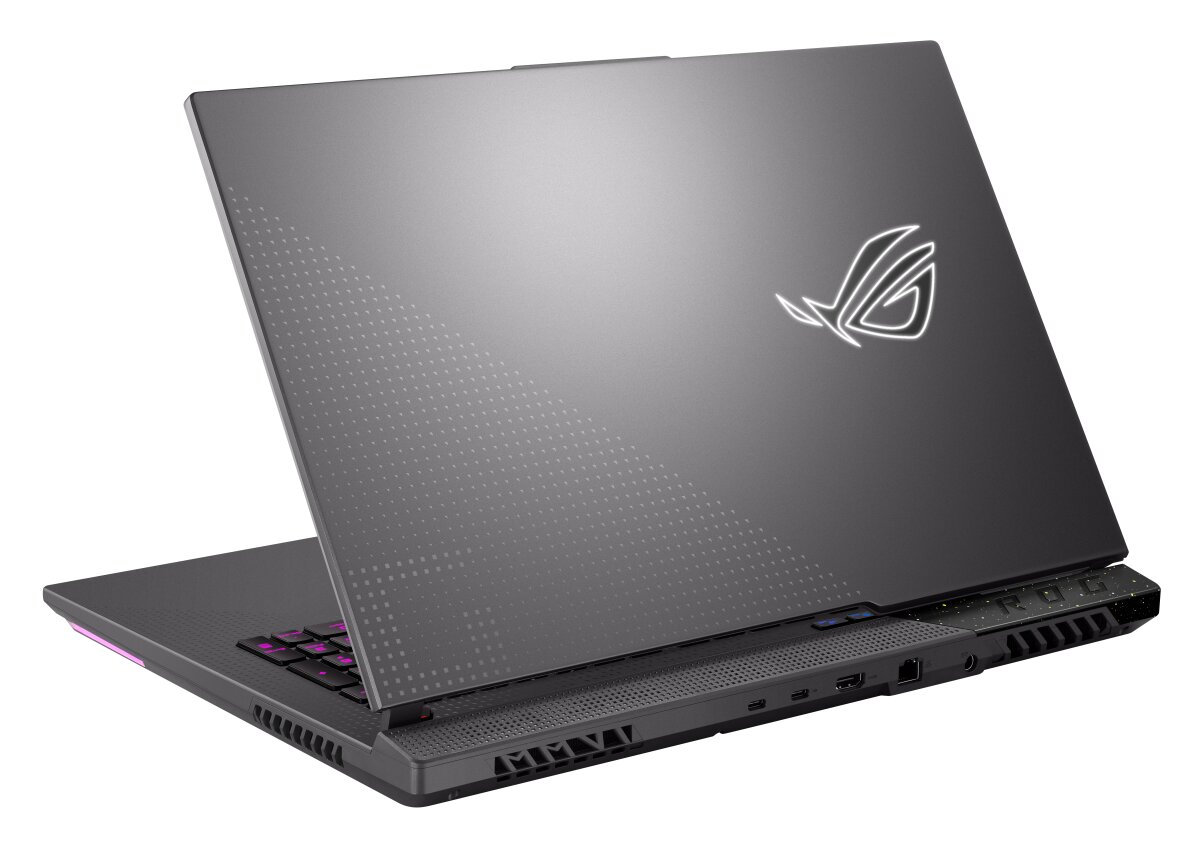


ASUS ROG Strix G17 G713PV-LL145W laptop memory upgrade specifications include two SO-DIMM slots supporting DDR5-SDRAM memory modules. Maximum RAM capacity reaches 32 GB total. Compatible memory operates at 4800 MHz frequency. Upgrade path allows installation of DDR5 SO-DIMM modules in available slots to enhance system performance and multitasking capabilities on gaming platform.
Memory Upgrade Specifications
| Specification | Value |
|---|---|
| Memory slots | 2x SO-DIMM |
| Form factor | SO-DIMM |
| Memory type | DDR5-SDRAM |
| Frequency | 4800 MHz |
| Maximum RAM | 32 GB |
| Voltage | 1.1V |
| Number of pins | 262-pin |
| Interface | PC5 |
| PC Speed Rating | PC5-4800 (PC5-38400) |
| Bandwidth | 38.4 GB/s |
Additional Notes
- The ASUS ROG G713PV-LL145W accommodates only 2 SO-DIMM slots, limiting upgrade capacity to a single additional module since one slot is likely occupied by the factory configuration.
- DDR5-4800 memory operates at speeds that require JEDEC standard compliance; third-party modules must explicitly support DDR5 SO-DIMM 4800 MHz to avoid BIOS incompatibility or automatic downclocking to lower frequencies.
- The 32 GB ceiling means maximum addressable capacity is achieved with 2x 16 GB modules; any upgrade beyond this threshold requires complete module replacement rather than augmentation.
- SO-DIMM form factor restricts module selection to laptop-grade components, which typically have lower thermal dissipation capacity than desktop equivalents; this constraint becomes relevant if future BIOS updates enable higher frequency profiles.
- Adding a second DDR5 module to a single-populated slot configuration may trigger memory interleaving, which increases memory bandwidth utilization but could also increase latency variance depending on the controller's optimization for asymmetrical configurations.
- Warranty preservation typically requires using modules from ASUS's qualified vendor list or purchasing identical SKUs to the pre-installed memory; mixing manufacturers or speed grades risks voiding coverage even if specifications are technically compatible.
- The DDR5 architecture on this platform includes on-DIMM voltage regulation; defective or incompatible modules can cause system instability before reaching POST, making POST-failure diagnostics difficult without module swapping capability.