ASUS ROG G814JI-N6076W RAM upgrade specifications
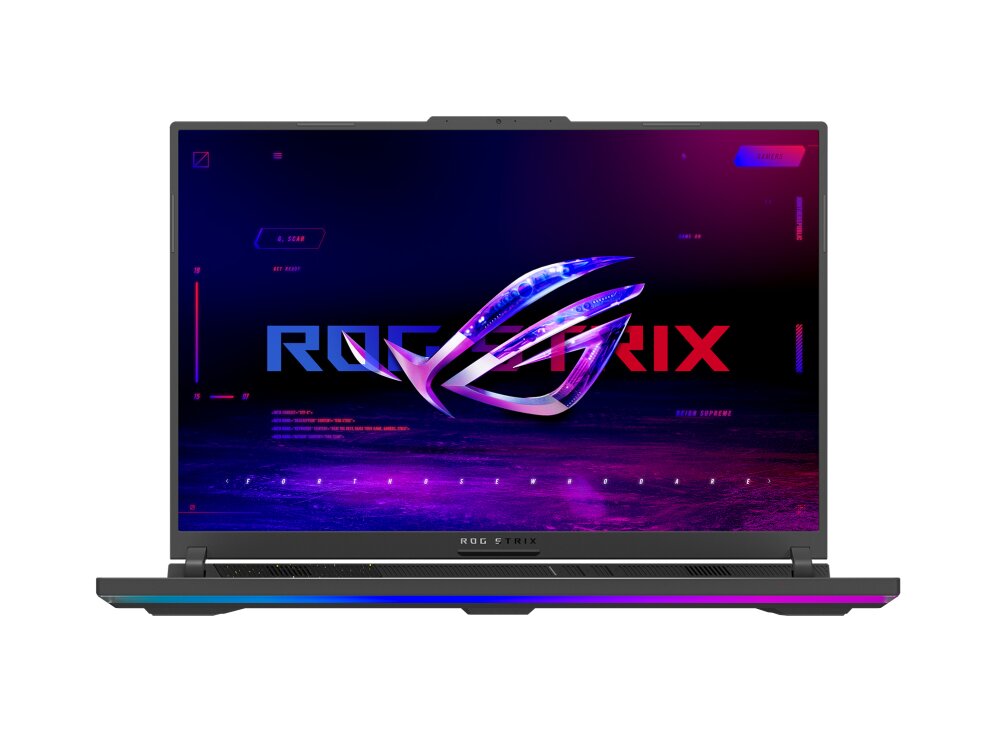
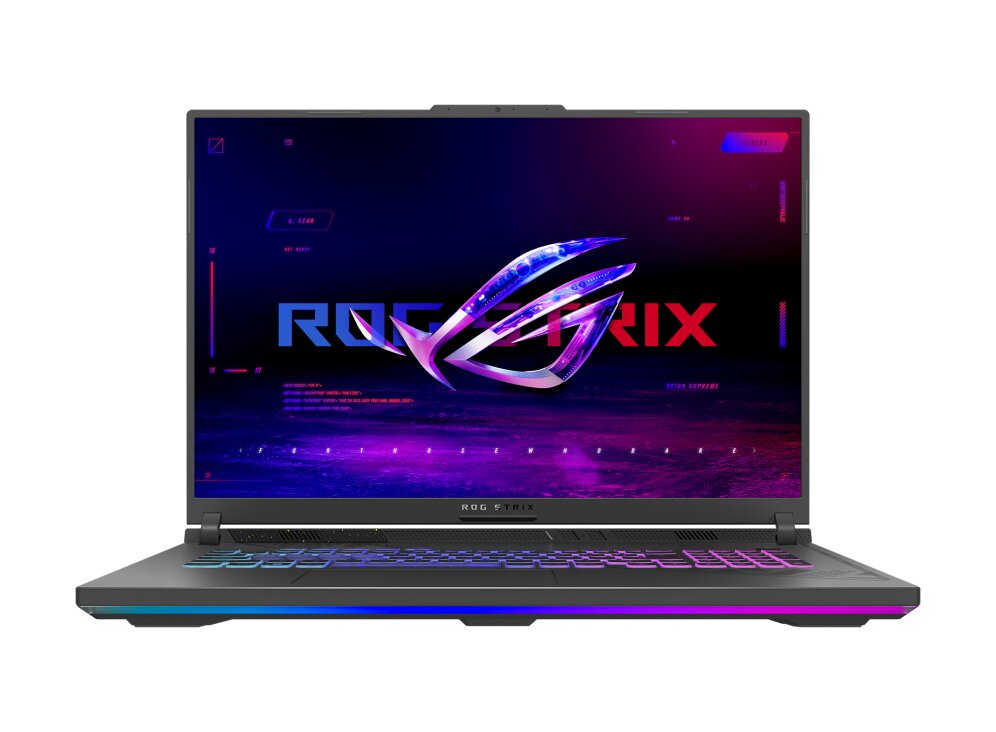
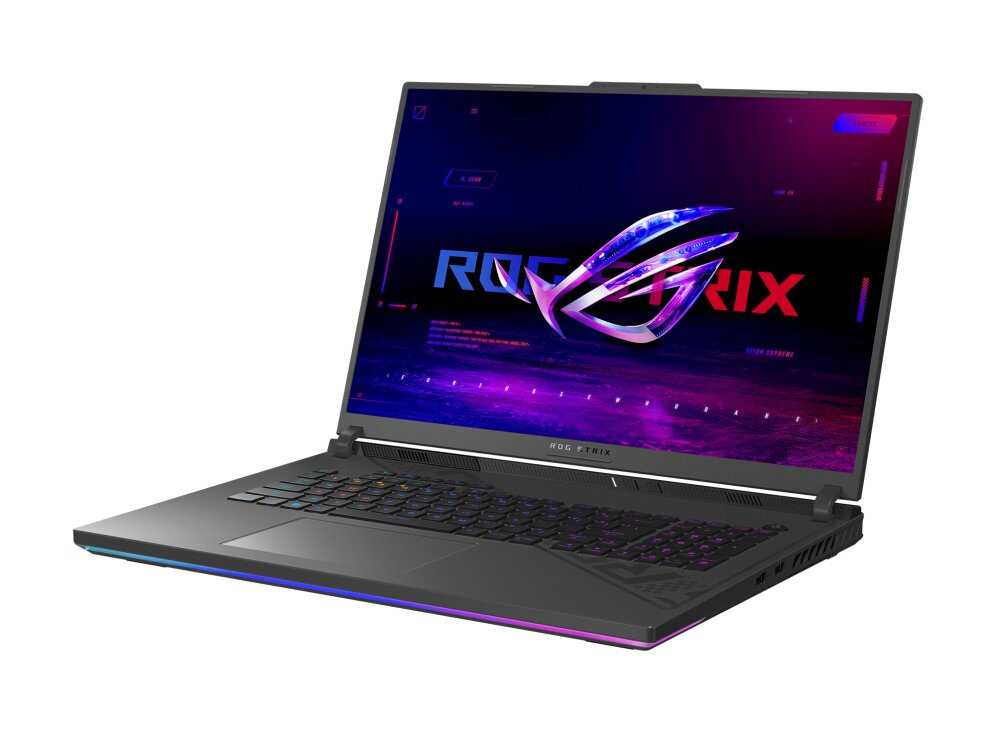
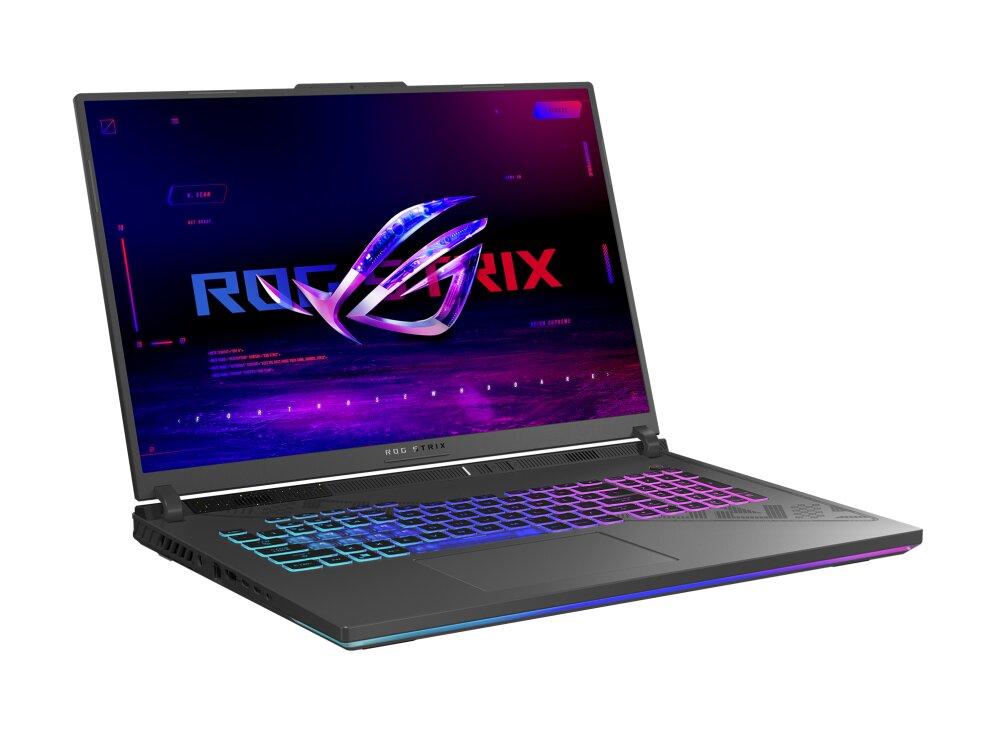
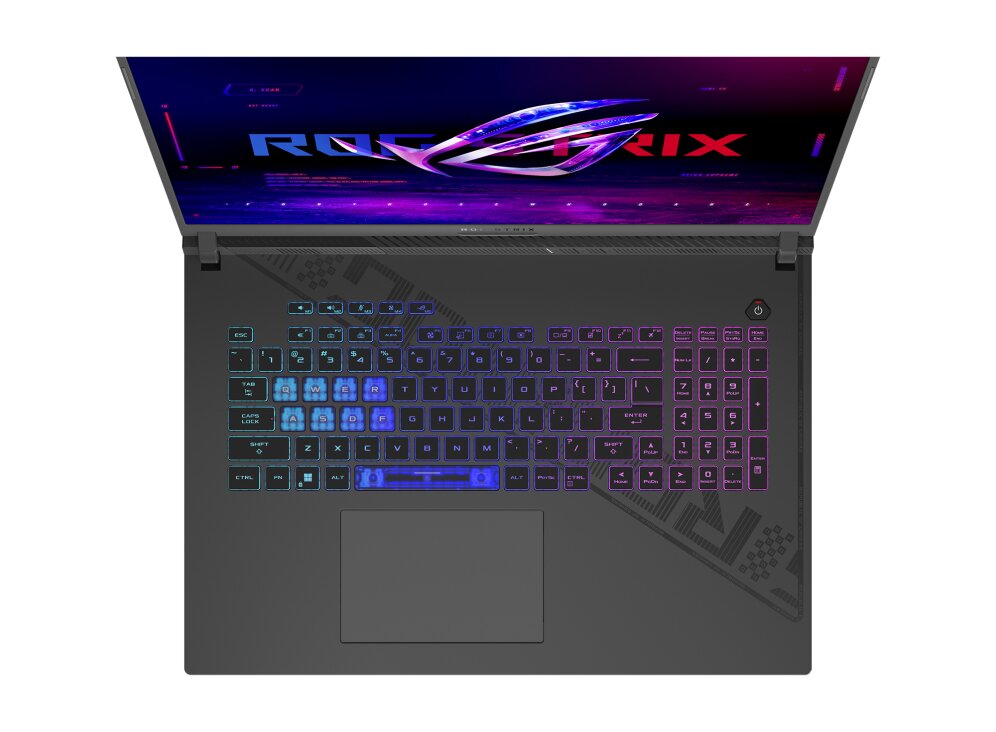
ASUS ROG Strix G18 G814JI-N6076W laptop memory upgrade specifications include DDR5-SDRAM compatible modules in SO-DIMM form factor. The system contains 2 memory slots supporting maximum RAM capacity of 32 GB total. Memory operates at 4800 MHz frequency. Upgrade compatibility requires DDR5 SO-DIMM modules meeting specified frequency and capacity parameters for this gaming laptop model.
Memory Upgrade Specifications
| Specification | Value |
|---|---|
| Memory slots | 2x SO-DIMM |
| Form factor | SO-DIMM |
| Memory type | DDR5-SDRAM |
| Frequency | 4800 MHz |
| Maximum RAM | 32 GB |
| Voltage | 1.1V |
| Number of pins | 262-pin |
| Interface | PC5 |
| PC Speed Rating | PC5-4800 (PC5-38400) |
| Bandwidth | 38.4 GB/s |
| Laptop Release date | 01 March 2023 |
Additional Notes
- The presence of 2 SO-DIMM slots implies that the factory memory occupies both physical interfaces, necessitating the removal of existing modules to reach the maximum supported capacity.
- The DDR5 architecture utilizes dual 32-bit subchannels per module which enhances data bus efficiency compared to older standards despite the 4800 MHz baseline frequency.
- Operating the ASUS ROG Strix G18 G814JI-N6076W at the 32 GB threshold requires symmetrical module pairing to maintain dual-channel bandwidth and prevent memory controller downclocking.
- The 4800 MHz specification indicates a JEDEC standard profile where latency timings are fixed by the BIOS, limiting the performance gains from aftermarket modules with aggressive XMP or EXPO profiles.
- Physical installation of memory requires a grounded workspace as DDR5 modules are highly susceptible to electrostatic discharge during the seating process into the SO-DIMM slots.
- The hardware ceiling of 32 GB suggests that the motherboard firmware or chipset configuration prohibits the use of high-density 32 GB or 48 GB single sticks for high-capacity workstation tasks.
- Thermal management under sustained load relies on the proximity of the RAM slots to the primary cooling solution, as DDR5 generates more heat than previous generations due to onboard Power Management Integrated Circuits.