ASUS ROG G814JIR-N6002 RAM upgrade specifications
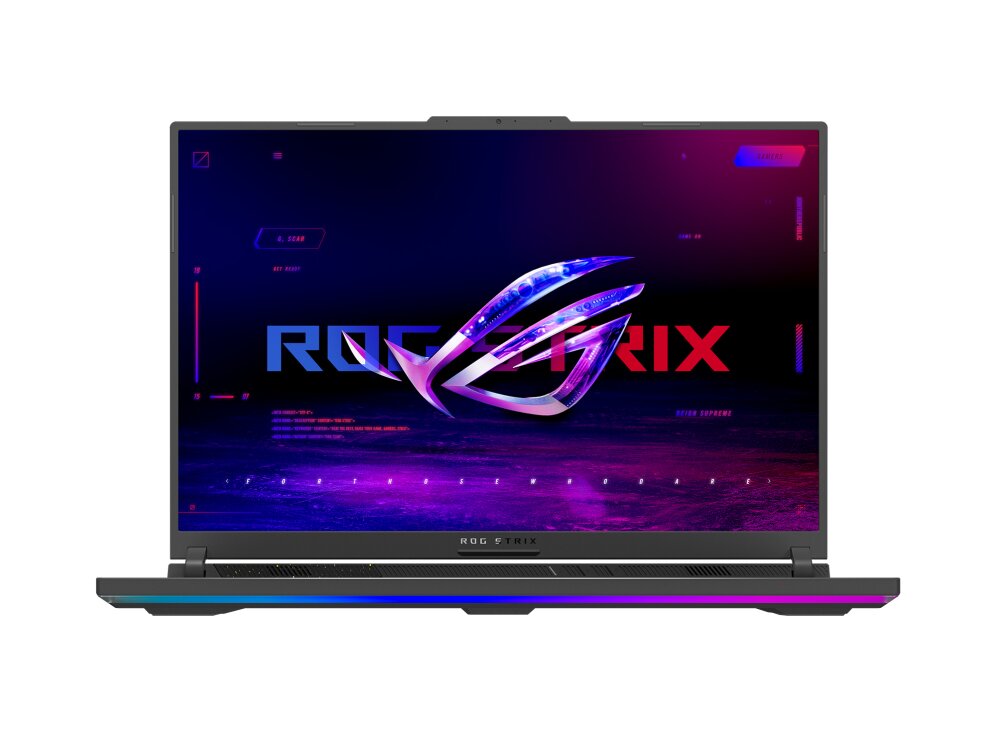

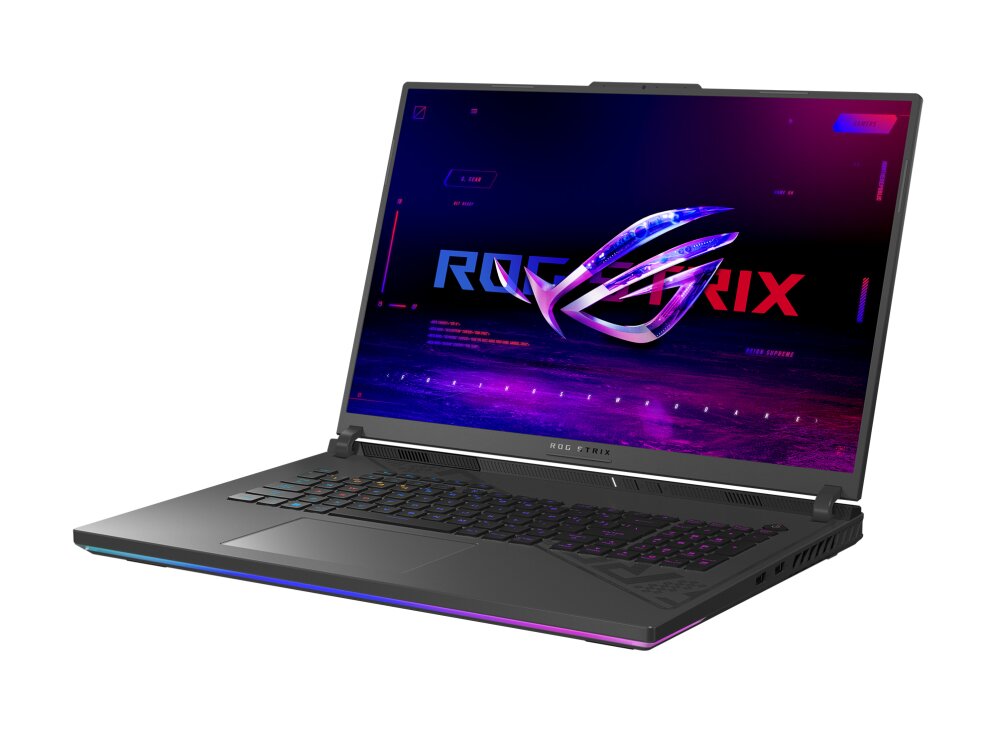

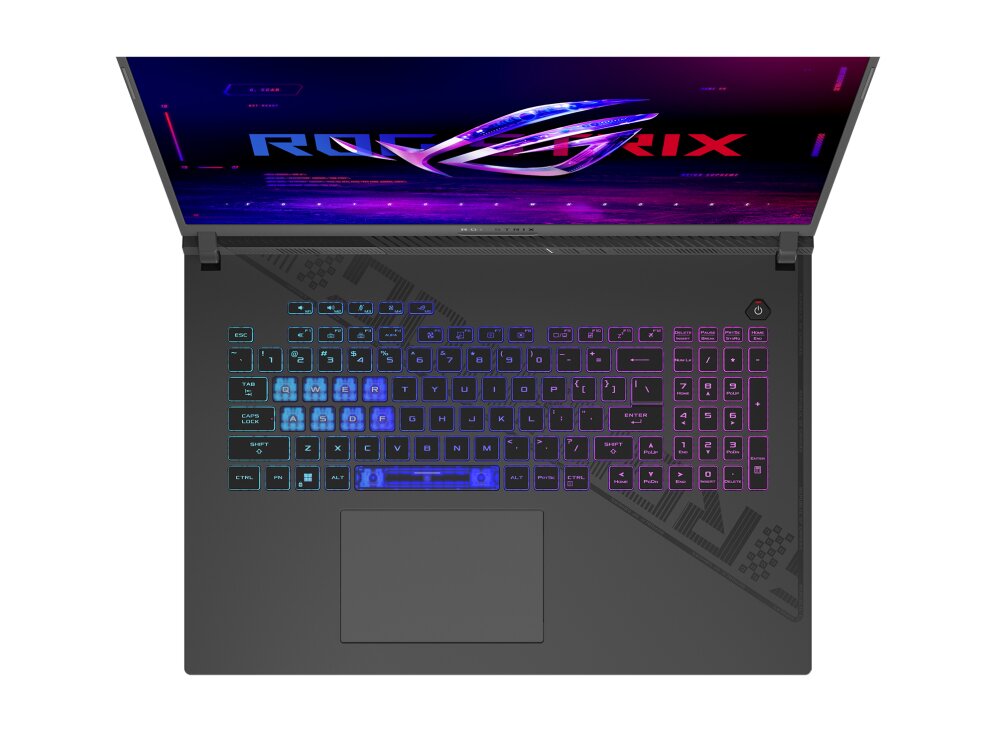
ASUS ROG Strix G18 G814JIR-N6002 laptop features DDR5-SDRAM memory upgrade specifications with 2x SO-DIMM slots supporting maximum capacity of 32 GB RAM. Compatible memory operates at 5600 MHz frequency. The upgrade slots accommodate SO-DIMM form factor modules, providing expansion options for enhanced system performance and multitasking capabilities on the gaming laptop.
Memory Upgrade Specifications
| Specification | Value |
|---|---|
| Memory slots | 2x SO-DIMM |
| Form factor | SO-DIMM |
| Memory type | DDR5-SDRAM |
| Frequency | 5600 MHz |
| Maximum RAM | 32 GB |
| Voltage | 1.1V |
| Number of pins | 262-pin |
| Interface | PC5 |
| PC Speed Rating | PC5-5600 (PC5-44800) |
| Bandwidth | 44.8 GB/s |
| Laptop Release date | 27 November 2023 |
Additional Notes
- The ASUS ROG G814JIR-N6002 uses 2 SO-DIMM slots, meaning both slots must be populated simultaneously for dual-channel operation; single-slot population results in single-channel bandwidth reduction of approximately 50 percent and measurable latency increases in memory-intensive tasks.
- DDR5-5600 MHz support indicates the system controller requires strict JEDEC compliance; third-party modules rated at higher frequencies (6000 MHz, 6400 MHz) will downclock to 5600 MHz or may fail to initialize depending on SPD profile compatibility.
- The 32 GB ceiling (16 GB per SO-DIMM maximum) permanently locks upgrade capacity; future memory-intensive workflows such as video rendering, 3D modeling, or virtual machine hosting cannot exceed this threshold.
- SO-DIMM module replacement demands physical disassembly of the chassis; warranty implications apply if non-authorized technicians perform the upgrade, and thermal paste reapplication may be necessary depending on ASUS service documentation.
- Mixed-capacity configurations (8 GB plus 16 GB modules) function but operate at the speed and latency of the slowest module; asymmetric capacity also triggers single-channel fallback on half the total memory if modules differ in timing specifications.
- DDR5 modules generate approximately 8 to 12 watts of additional heat compared to DDR4 equivalents; integrated heatspreaders on premium DDR5 SO-DIMMs are optional, and passive cooling from the system's existing airflow design may become a limiting factor under sustained workloads above 40 degrees Celsius ambient temperature.