ASUS ROG G814JIR-N6003W-GAMING RAM upgrade specifications
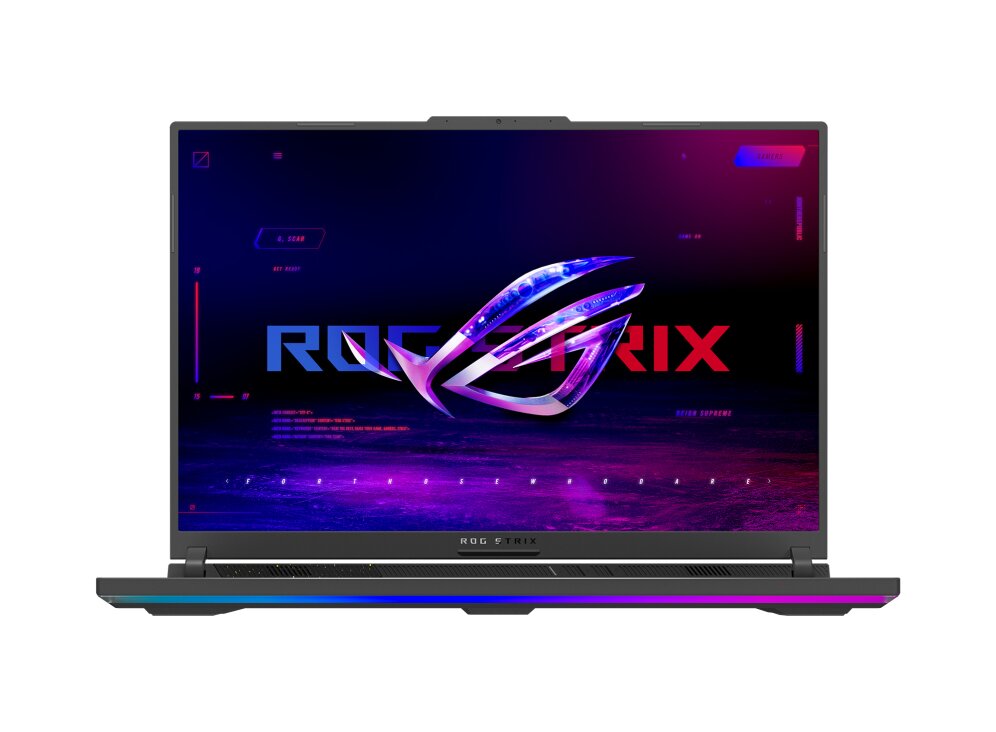
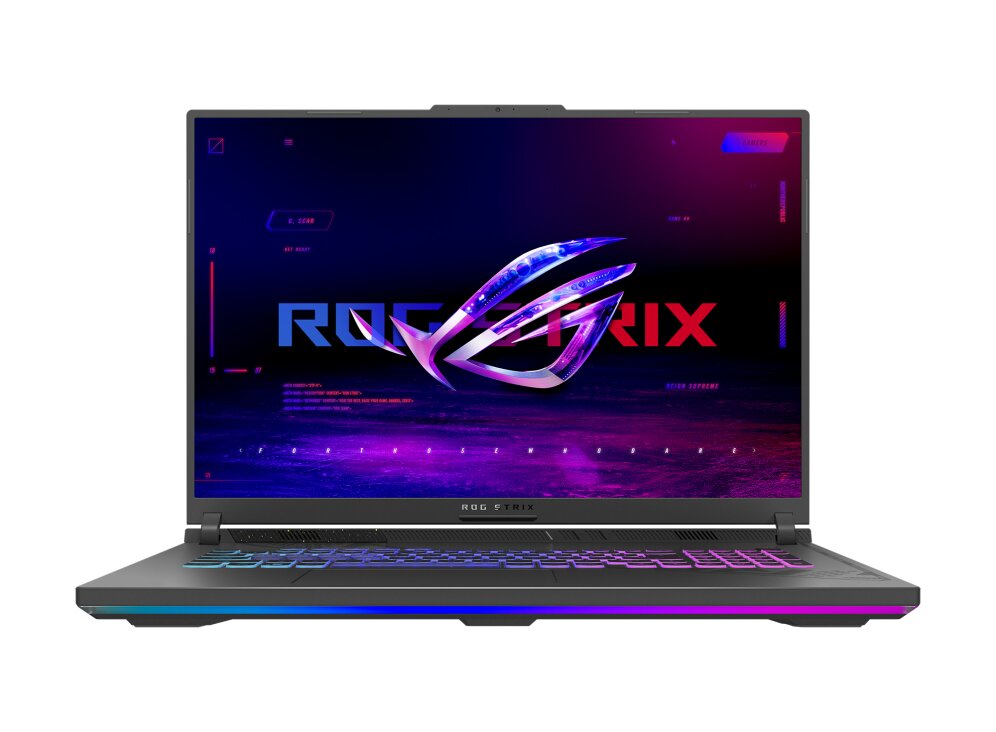
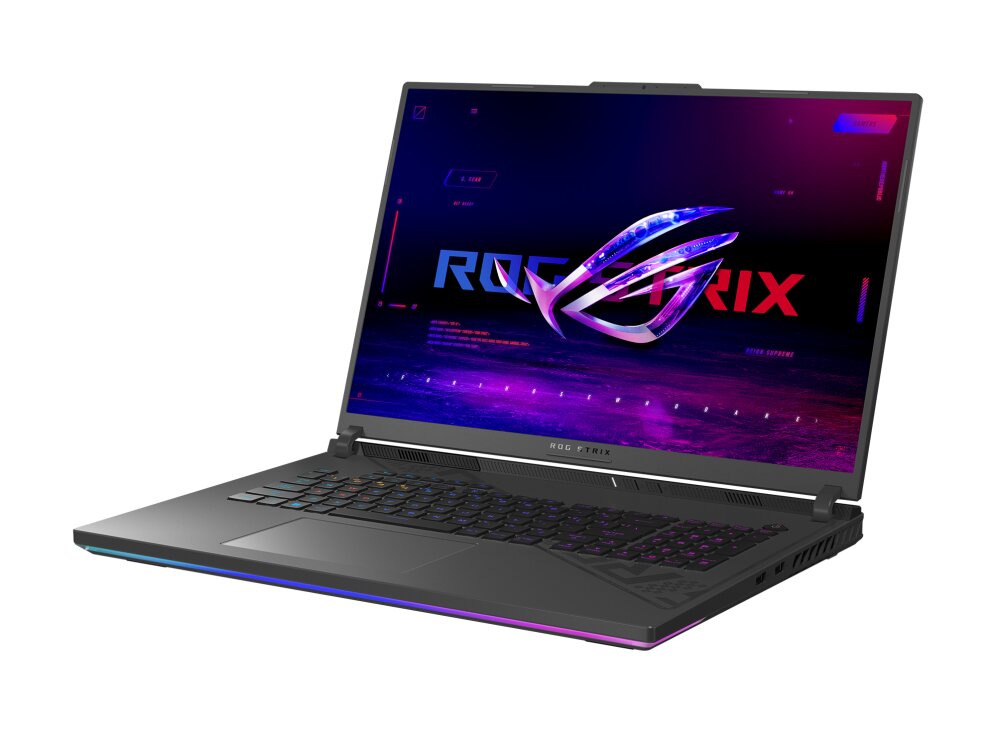
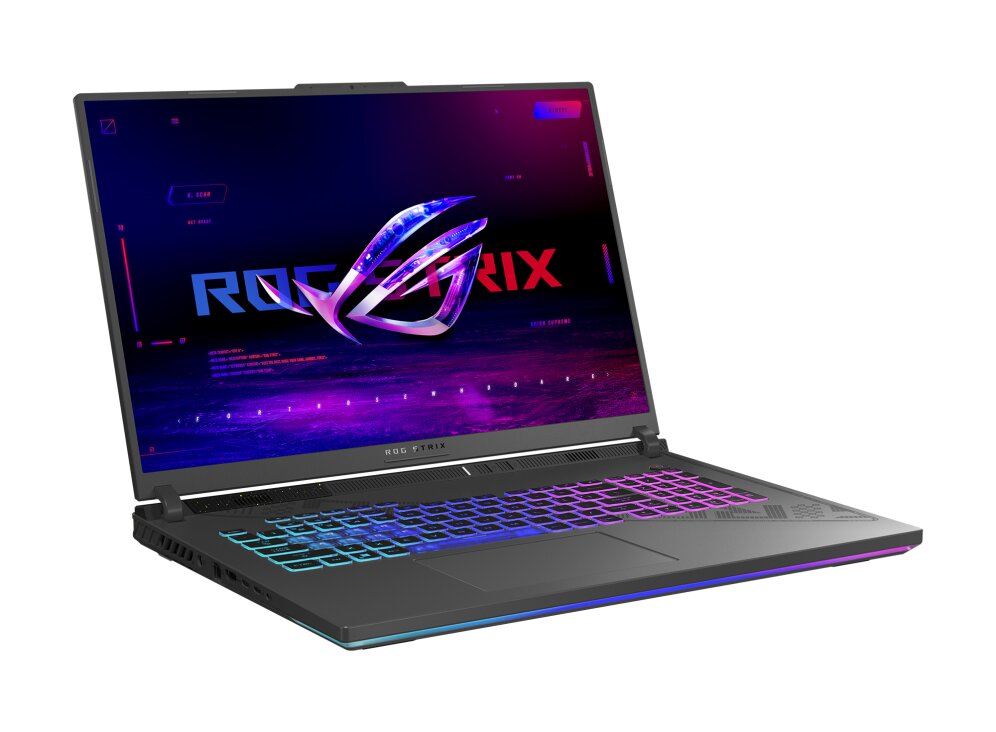
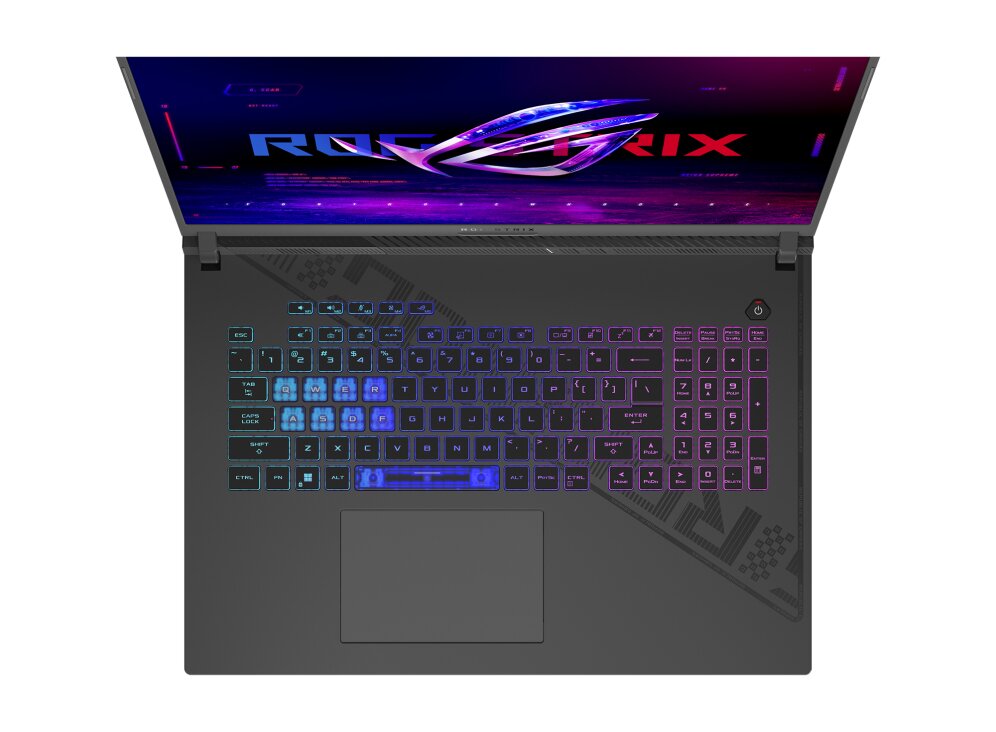
The ASUS ROG Strix G18 G814JIR-N6003W-GAMING laptop features DDR5-SDRAM memory upgrade capabilities with two SO-DIMM slots supporting maximum capacity of 32 GB total RAM. Compatible memory modules operate at 5600 MHz frequency specifications. The gaming laptop accommodates SO-DIMM form factor upgrades for enhanced multitasking and performance requirements.
Memory Upgrade Specifications
| Specification | Value |
|---|---|
| Memory slots | 2x SO-DIMM |
| Form factor | SO-DIMM |
| Memory type | DDR5-SDRAM |
| Frequency | 5600 MHz |
| Maximum RAM | 32 GB |
| Voltage | 1.1V |
| Number of pins | 262-pin |
| Interface | PC5 |
| PC Speed Rating | PC5-5600 (PC5-44800) |
| Bandwidth | 44.8 GB/s |
Additional Notes
- The ASUS ROG G814JIR-N6003W-GAMING contains 2 SO-DIMM slots, which means both slots must be populated to achieve rated bandwidth; a single module configuration results in single-channel memory access and approximately 50% reduction in memory throughput compared to dual-channel operation.
- DDR5-5600 memory operates at higher voltage and thermal output than previous DDR4 standards; extended gaming sessions may elevate memory temperatures, particularly if the replacement module lacks thermal spreaders or if internal airflow paths are obstructed by existing components.
- The 32 GB maximum capacity ceiling is determined by Intel 13th-generation processor limitations and BIOS constraints; modules exceeding this threshold will not initialize, and mixed-capacity configurations (for example, 16 GB + 8 GB) function only in asymmetrical mode, reducing performance efficiency.
- SO-DIMM form factor requires removal of the base panel and potential displacement of internal cabling; RAM installation is not field-serviceable without opening the chassis, which may void certain warranty provisions depending on ASUS service terms regarding user-performed memory upgrades.
- DDR5-5600 compatibility is restricted to Intel Raptor Lake processors; any CPU replacement with earlier-generation or AMD-based architecture will render incompatible memory modules non-functional, locking the user into Intel's socket configuration for the system lifetime.
- Thermal dissipation requirements increase with higher-frequency memory; passive or low-profile cooler designs may interfere with installation of aftermarket modules that include substantial heat spreader assemblies.