ASUS ROG G814JZR-N6090-Gaming RAM upgrade specifications
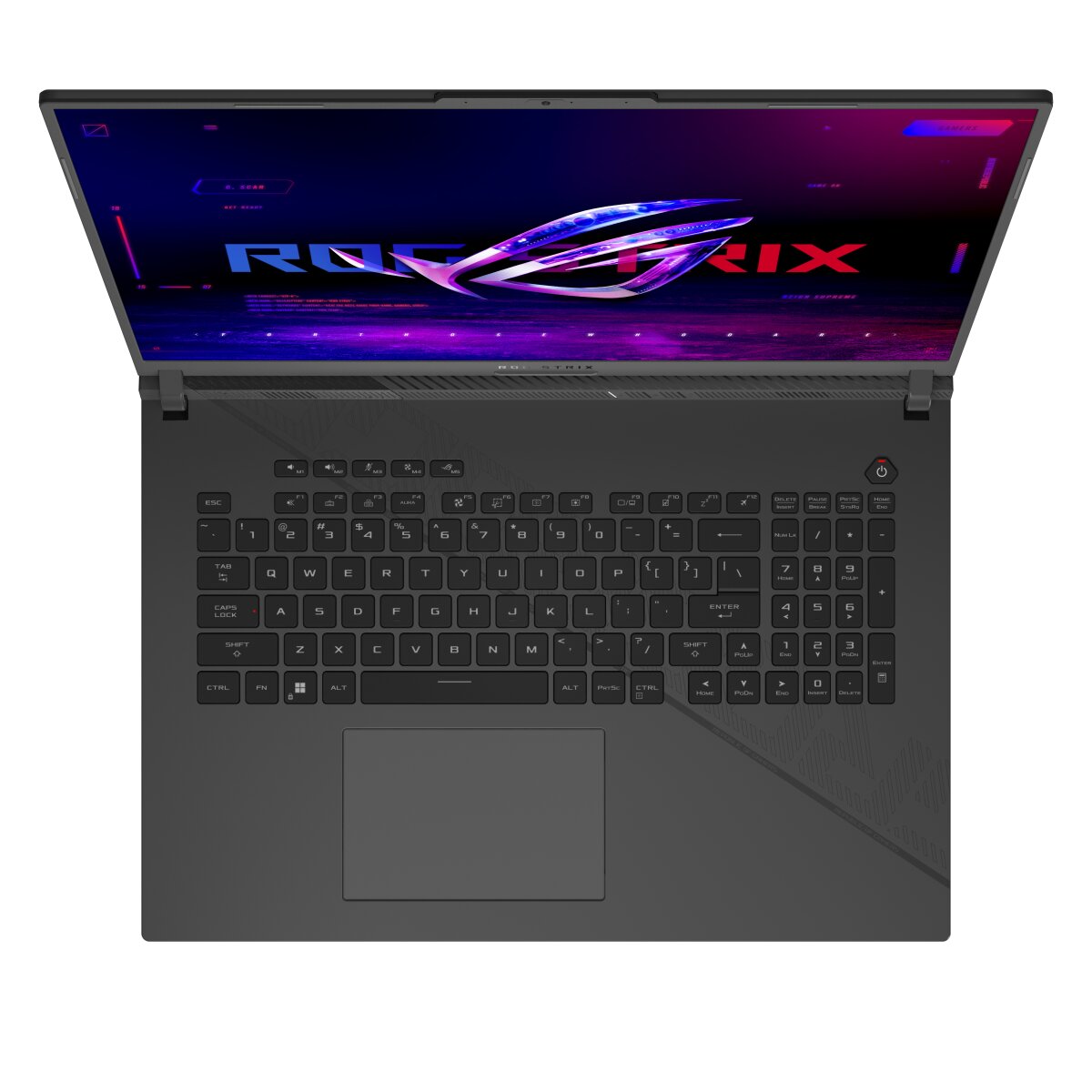
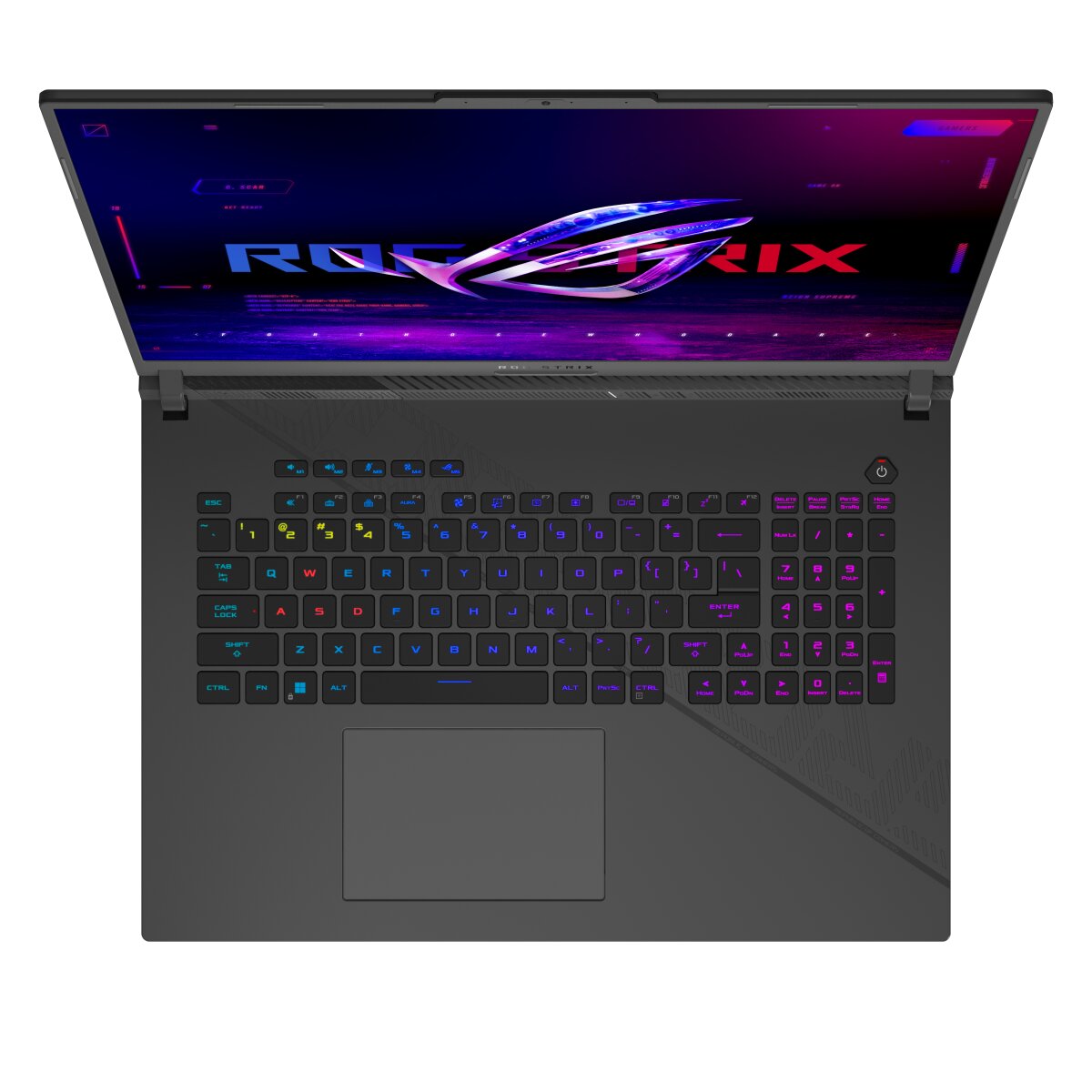
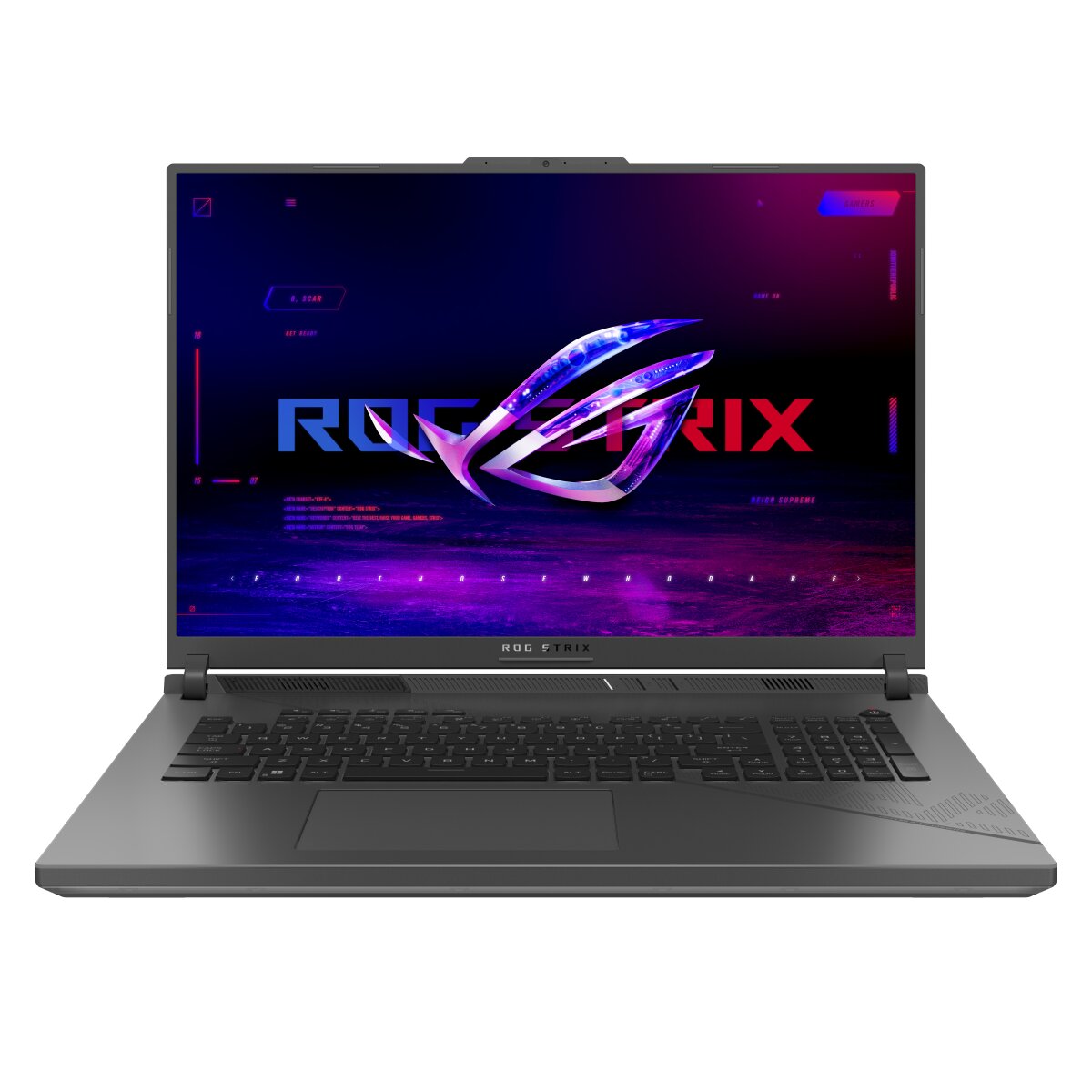
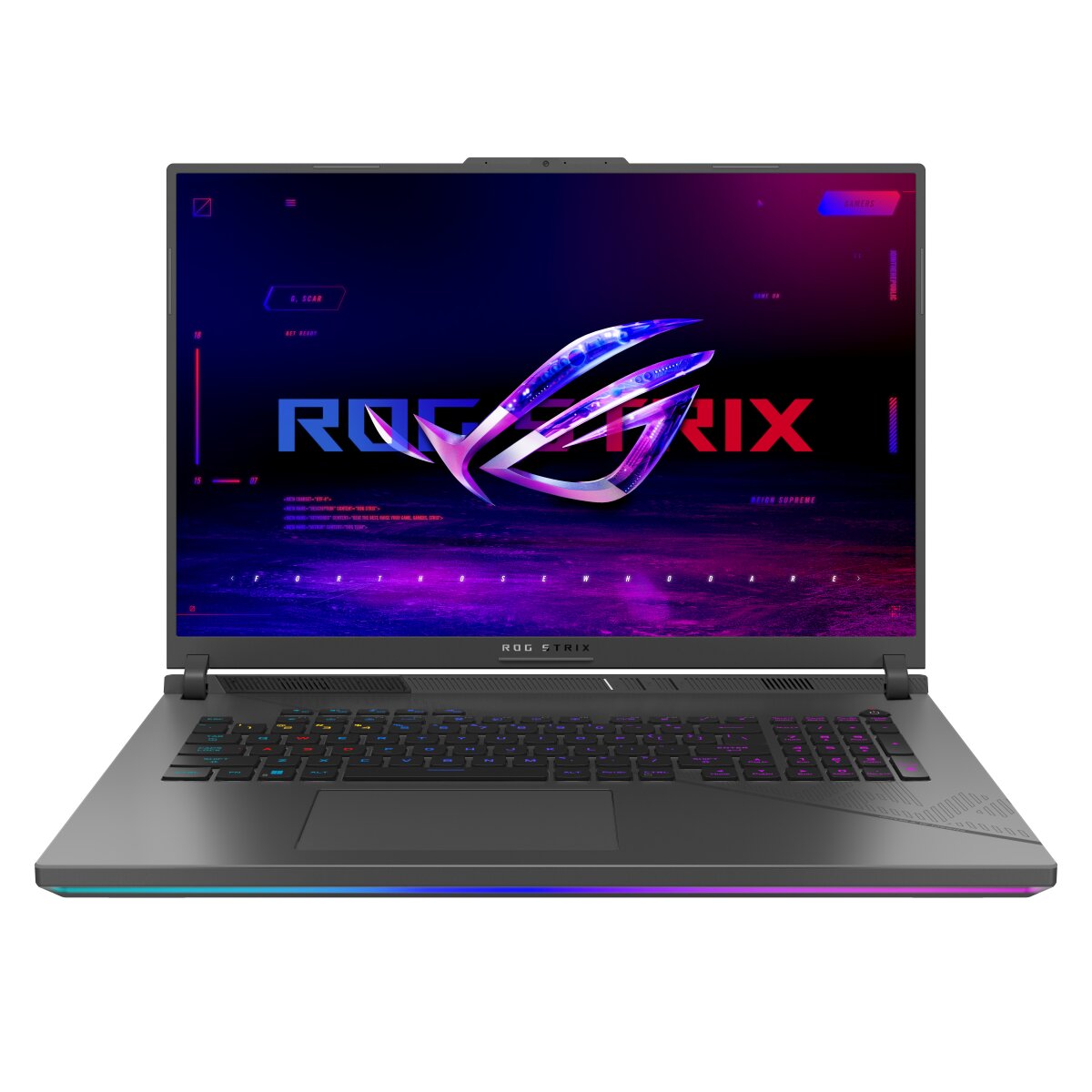
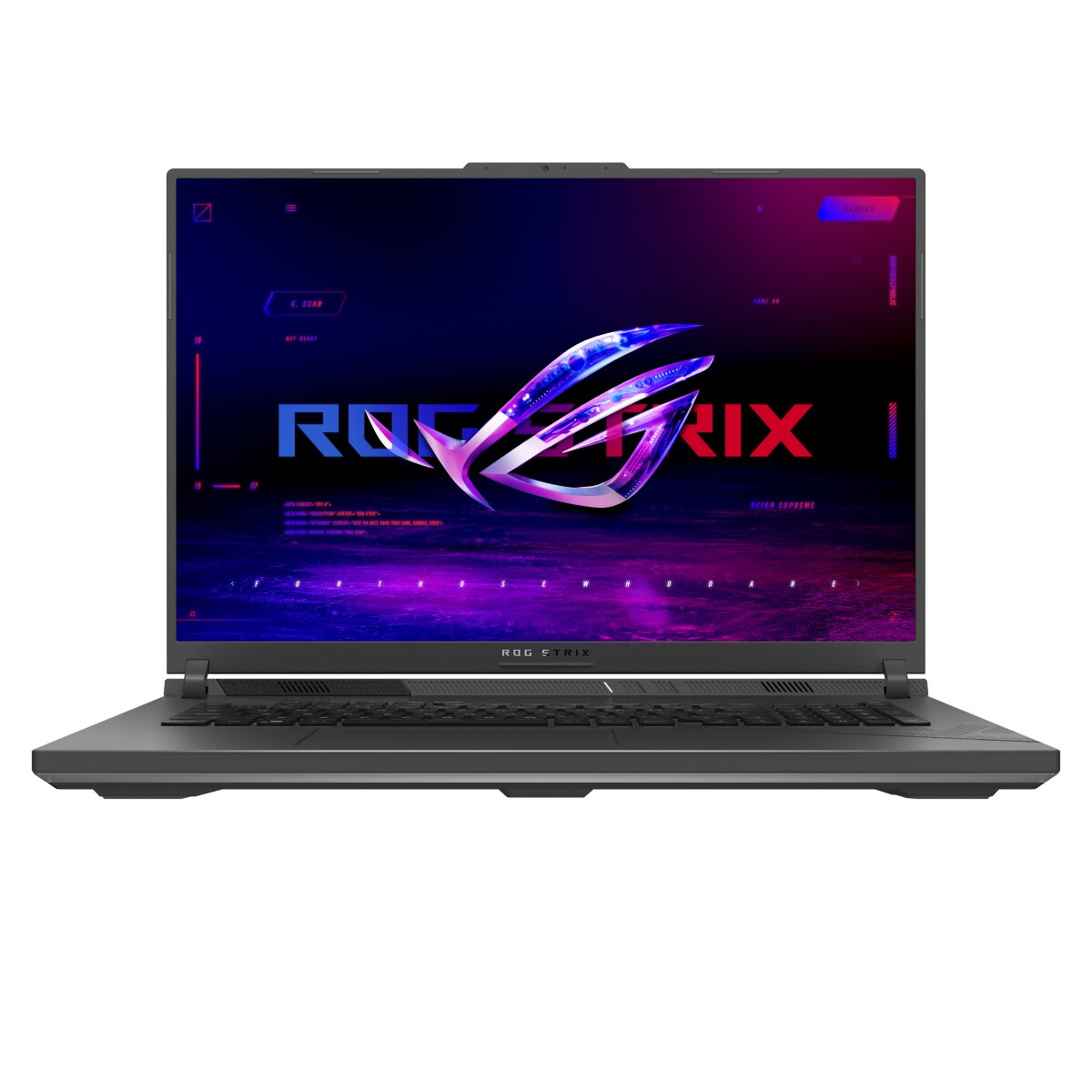
ASUS ROG Strix G18 G814JZR-N6090-Gaming laptop features DDR5-SDRAM memory upgrade specifications with two SO-DIMM slots supporting maximum capacity of 64 GB. Compatible memory modules operate at 5600 MHz frequency. Upgrade slots accommodate standard SO-DIMM form factor DDR5 RAM. Specifications enable memory expansion for enhanced multitasking and gaming performance in this gaming laptop model.
Memory Upgrade Specifications
| Specification | Value |
|---|---|
| Memory slots | 2x SO-DIMM |
| Form factor | SO-DIMM |
| Memory type | DDR5-SDRAM |
| Frequency | 5600 MHz |
| Maximum RAM | 64 GB |
| Voltage | 1.1V |
| Number of pins | 262-pin |
| Interface | PC5 |
| PC Speed Rating | PC5-5600 (PC5-44800) |
| Bandwidth | 44.8 GB/s |
Additional Notes
- The presence of 2 SO-DIMM slots implies that reaching the maximum capacity requires the removal of existing modules rather than adding to them.
- High-speed DDR5-5600 modules require compatible firmware profiles to maintain rated stability because system sub-timings often default to lower JEDEC standards if parity is not met.
- The 64 GB maximum threshold indicates a motherboard BIOS limitation that prevents the use of newer 48 GB non-binary modules for higher density configurations.
- Dual-channel architecture benefits significantly from matching pairs, as mismatched capacities or speeds will force the memory controller to operate at the lowest common denominator or in suboptimal flex mode.
- Upgrading the ASUS ROG G814JZR-N6090-Gaming involves accessing internal components that may require specific tools to avoid damaging the chassis clips or integrated ribbon cables located near the memory bank.
- Thermal management constraints within the laptop form factor mean that memory modules with tall integrated heat spreaders will likely interfere with the bottom panel clearance.
- Latency performance depends on the CAS latency of the replacement kits, as the system will not automatically tighten timings even if the frequency remains at 5600 MHz.