ASUS ROG G814JZR-NEBULA008W RAM upgrade specifications




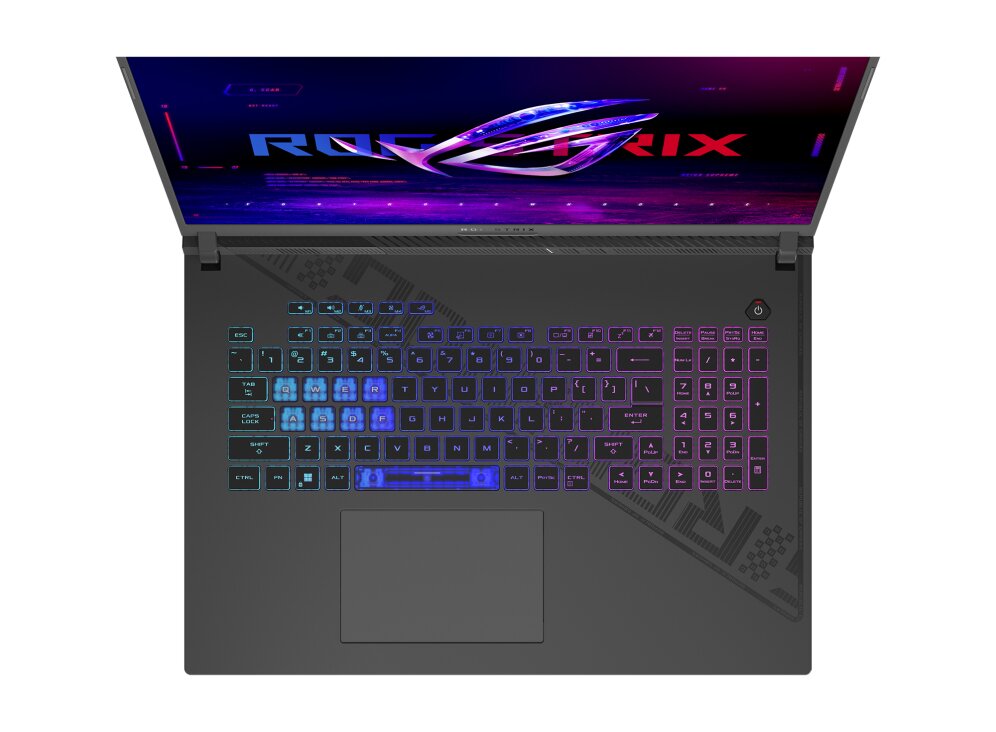
ASUS ROG Strix G18 model G814JZR-NEBULA008W features DDR5-SDRAM memory upgrade specifications. The laptop contains 2x SO-DIMM slots supporting maximum RAM capacity of 64 GB. Memory operates at 5600 MHz frequency with SO-DIMM form factor. Compatible upgrade modules must match DDR5-SDRAM specifications for proper functionality. Maximum supported memory reaches 64 GB total capacity across both available slots.
Memory Upgrade Specifications
| Specification | Value |
|---|---|
| Memory slots | 2x SO-DIMM |
| Form factor | SO-DIMM |
| Memory type | DDR5-SDRAM |
| Frequency | 5600 MHz |
| Maximum RAM | 64 GB |
| Voltage | 1.1V |
| Number of pins | 262-pin |
| Interface | PC5 |
| PC Speed Rating | PC5-5600 (PC5-44800) |
| Bandwidth | 44.8 GB/s |
Additional Notes
- The ASUS ROG G814JZR-NEBULA008W implements DDR5 SO-DIMM architecture, which physically prevents installation of older DDR4 modules due to incompatible notch positioning and voltage requirements.
- The 5600 MHz native frequency operates beyond JEDEC standard DDR5 base speeds, requiring module support for this specific speed bin to avoid automatic downclocking to 4800 MHz.
- Dual-channel memory configuration relies on populating both SO-DIMM slots with matched capacity modules to maintain symmetric bandwidth distribution across the memory controller.
- The 64 GB maximum capacity ceiling translates to a practical limit of two 32 GB modules, eliminating smaller capacity combinations for users targeting maximum memory.
- Non-ECC unbuffered SO-DIMMs represent the only compatible module type, as registered or ECC variants introduce incompatible signal timing with consumer-grade memory controllers.
- Voltage specification locks to DDR5 standard 1.1V operation, preventing use of higher-voltage performance kits designed for desktop overclocking platforms.
- Memory controller bandwidth at 5600 MT/s delivers 44.8 GB/s per channel theoretical maximum, totaling 89.6 GB/s in dual-channel mode under optimal conditions.
- SO-DIMM form factor imposes a 262-pin contact design with reduced PCB length compared to desktop modules, preventing physical installation of standard DIMM packages.
- Thermal constraints in laptop chassis design may cause memory modules to throttle speeds if sustained workloads exceed passive cooling capacity through the SO-DIMM slot interface.
- CAS latency specifications remain tied to frequency selection, where higher absolute latency values at 5600 MHz may still provide lower true latency than tighter timings at reduced speeds.
- Single-rank versus dual-rank module topology affects memory interleaving efficiency, with dual-rank configurations potentially offering marginal performance advantages in bandwidth-sensitive applications.
- Warranty preservation requires adherence to manufacturer-specified memory configurations, as exceeding documented capacity or frequency limits may void service agreements.