ASUS ROG G815JMR-S8042W RAM upgrade specifications



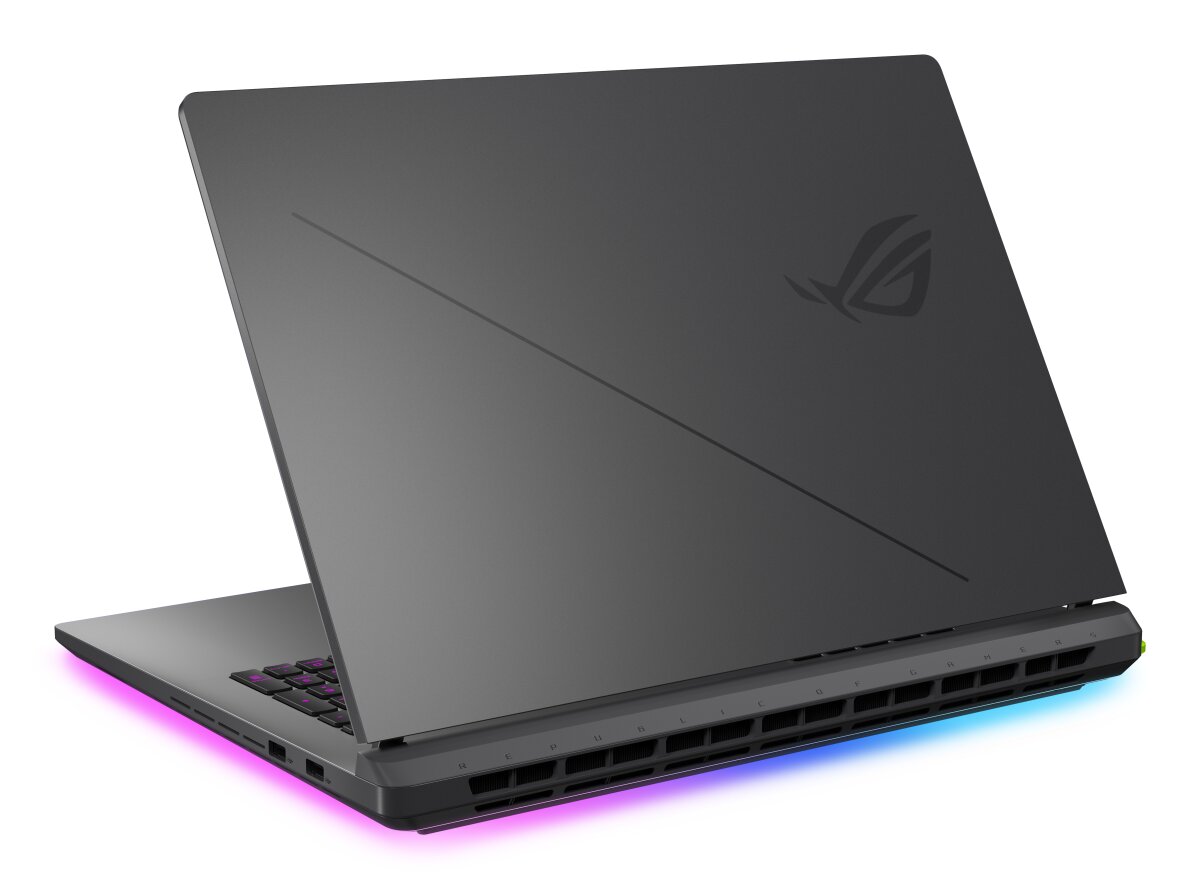
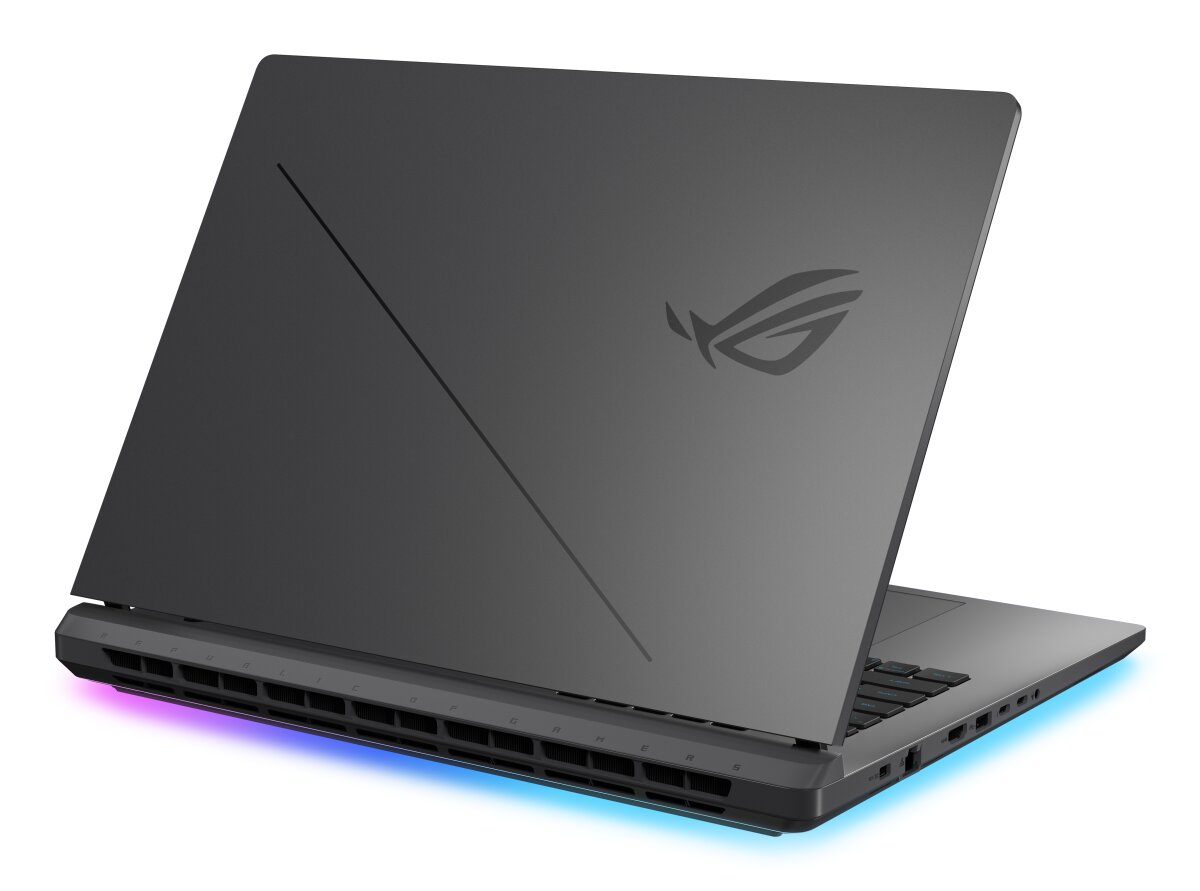
The ASUS ROG Strix G18 G815JMR-S8042W laptop features DDR5-SDRAM memory upgrade specifications with 2x SO-DIMM slots supporting a maximum RAM capacity of 64 GB. Compatible memory modules operate at 5600 MHz frequency. The SO-DIMM form factor allows for memory expansion to enhance system performance. Upgrade specifications enable users to increase multitasking capabilities and application responsiveness on this gaming laptop model.
Memory Upgrade Specifications
| Specification | Value |
|---|---|
| Memory slots | 2x SO-DIMM |
| Form factor | SO-DIMM |
| Memory type | DDR5-SDRAM |
| Frequency | 5600 MHz |
| Maximum RAM | 64 GB |
| Voltage | 1.1V |
| Number of pins | 262-pin |
| Interface | PC5 |
| PC Speed Rating | PC5-5600 (PC5-44800) |
| Bandwidth | 44.8 GB/s |
Additional Notes
- The ASUS ROG G815JMR-S8042W accepts only DDR5 modules, preventing any use of DDR4 or earlier generation memory due to incompatible pin configurations and voltage requirements.
- The SO-DIMM form factor indicates a laptop architecture where standard desktop DIMM modules cannot be installed regardless of specification matching.
- Dual-channel memory architecture requires matched module pairs for optimal bandwidth utilization, as asymmetric configurations trigger single-channel operation with halved theoretical throughput.
- The 64 GB ceiling suggests a per-slot limitation of 32 GB, making 16 GB modules inadequate for users requiring maximum capacity expansion.
- Operating frequency of 5600 MHz establishes minimum speed compatibility, though higher-rated modules typically downclock automatically to match motherboard specifications without manual intervention.
- Non-soldered SO-DIMM slots enable user-accessible upgrades without factory service requirements, though chassis disassembly procedures vary by manufacturer design.
- DDR5 operates at lower 1.1V compared to DDR4's 1.2V, creating electrical incompatibility that physically prevents cross-generation module insertion despite similar slot dimensions.
- Mixing modules with different CAS latencies or timings across the 2 slots may force both to adopt the slower module's specifications, potentially negating performance benefits of premium RAM.
- The 5600 MHz rating represents JEDEC or XMP profile speeds that require BIOS support, as base DDR5 specification starts at 4800 MHz for fallback compatibility.
- Warranty preservation typically permits RAM upgrades on user-accessible slots, though damage during installation or use of non-qualified modules may void coverage under specific regional policies.
- Capacity upgrades beyond factory configuration may require BIOS updates to ensure proper module recognition, particularly with high-density 32 GB sticks released after initial system launch.