ASUS ROG G815LP-S9010W RAM upgrade specifications

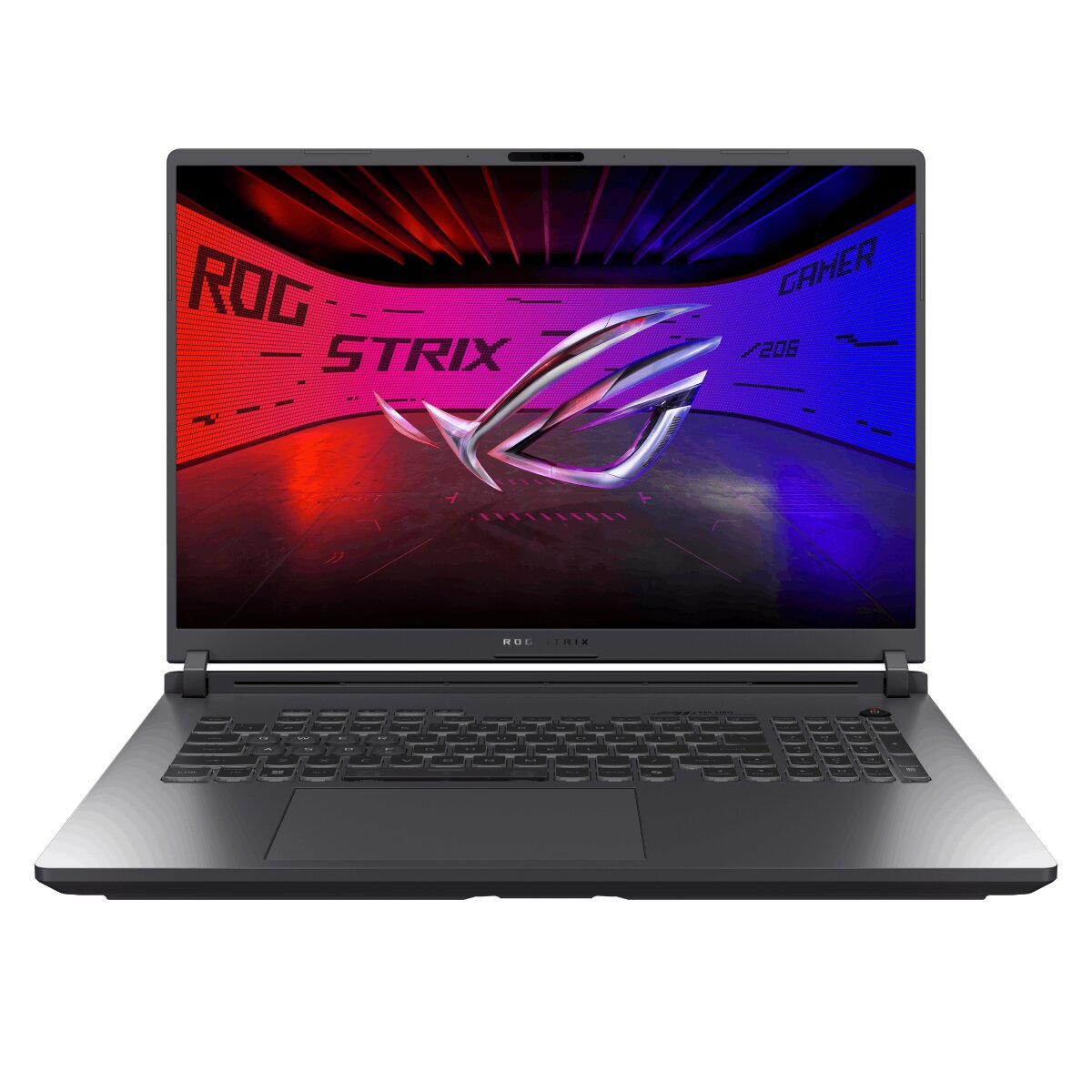


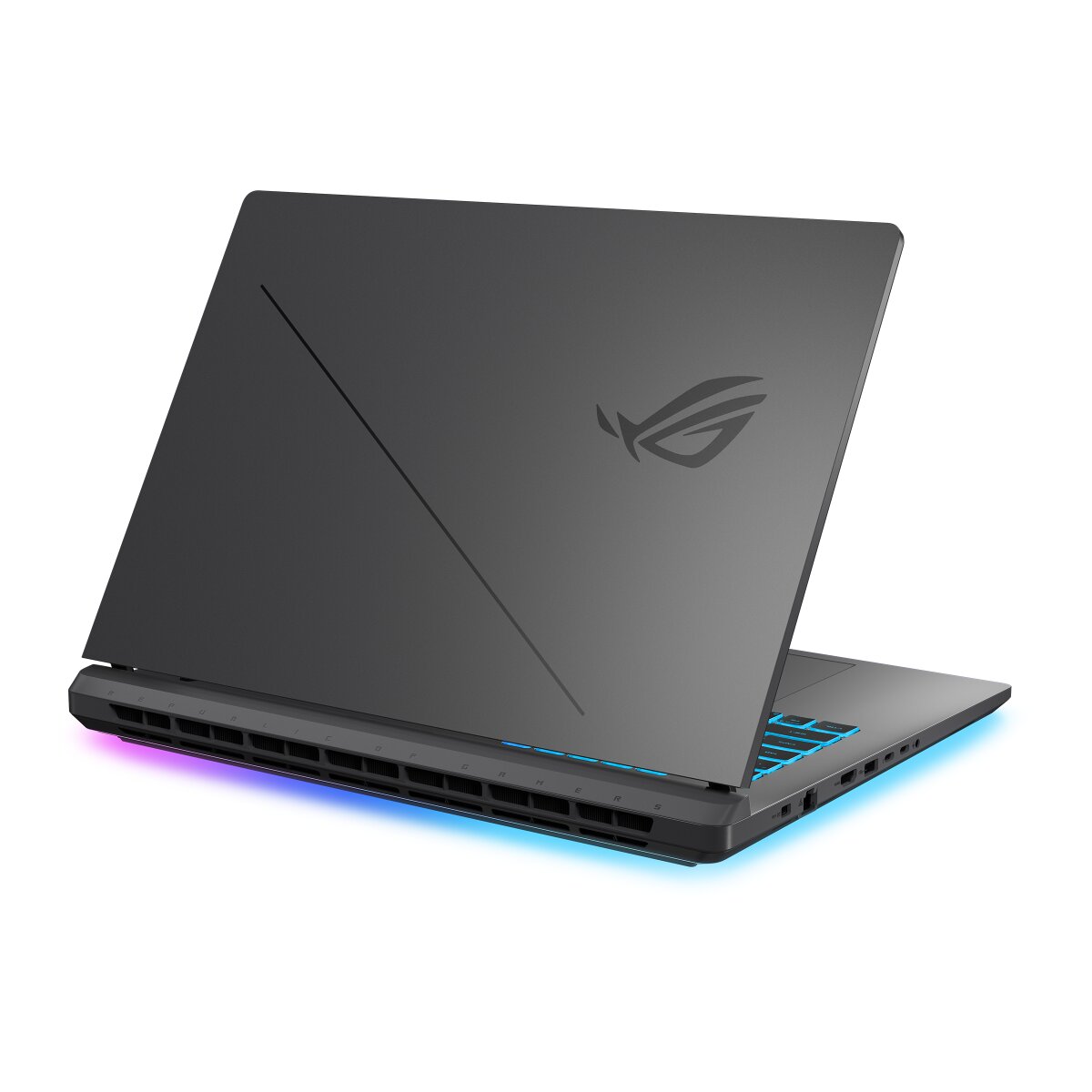
The ASUS ROG Strix G18 G815LP-S9010W laptop contains 2x SO-DIMM memory slots supporting DDR5-SDRAM specifications at 5600 MHz frequency. Maximum RAM capacity for upgrade reaches 64 GB total. Compatible memory modules utilize SO-DIMM form factor. Current and upgraded configurations require DDR5-SDRAM specifications meeting laptop memory requirements. RAM upgrade procedures involve accessing memory slots and installing compatible DDR5 modules within specifications. Maximum supported capacity of 64 GB represents available RAM expansion limit for this model.
Memory Upgrade Specifications
| Specification | Value |
|---|---|
| Memory slots | 2x SO-DIMM |
| Form factor | SO-DIMM |
| Memory type | DDR5-SDRAM |
| Frequency | 5600 MHz |
| Maximum RAM | 64 GB |
| Voltage | 1.1V |
| Number of pins | 262-pin |
| Interface | PC5 |
| PC Speed Rating | PC5-5600 (PC5-44800) |
| Bandwidth | 44.8 GB/s |
Additional Notes
- The ASUS ROG G815LP-S9010W uses DDR5 SO-DIMM modules operating at 5600 MHz, which means replacement modules must match this exact speed specification to maintain warranty coverage and prevent boot failures from frequency mismatches.
- With 2 SO-DIMM slots and a 64 GB ceiling, maximum expansion reaches 32 GB per module. This dual-slot architecture permits no gradual scaling; users must replace existing modules entirely to achieve the 64 GB limit, as adding a single additional module is impossible.
- DDR5 SO-DIMM modules are physically shorter and have different keying than DDR4 equivalents, making backward compatibility impossible. Any DDR4 inventory from previous devices cannot be repurposed in this system.
- The 5600 MHz specification represents a common DDR5 speed bin for mobile workstations. Modules rated for higher frequencies (such as 6000 MHz or 6400 MHz) will clock down to 5600 MHz in this platform and provide no performance benefit, resulting in wasted purchasing power.
- SO-DIMM upgrades in this form factor require full system shutdown and thermal substrate removal; the upgrade path involves more invasive disassembly than standard laptop servicing, extending downtime and increasing electrostatic discharge risk during installation.