ASUS ROG G815LR-S9155-GAMING RAM upgrade specifications




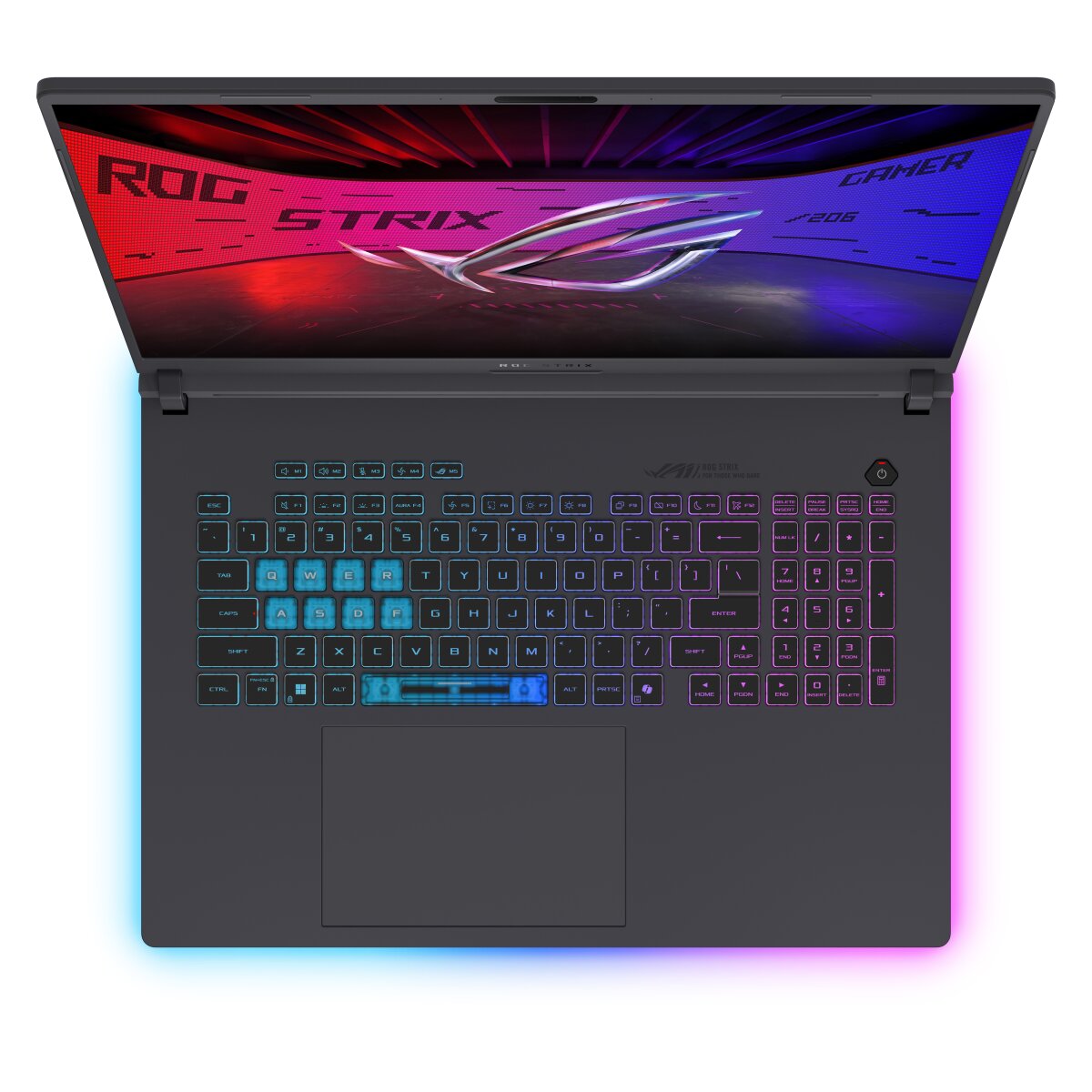
ASUS ROG Strix G18 G815LR-S9155-GAMING gaming laptop contains two SO-DIMM slots supporting DDR5-SDRAM memory modules. The system accommodates maximum RAM capacity of 64 GB total. Compatible memory upgrades utilize DDR5-SDRAM specifications operating at 5600 MHz frequency. Existing memory configuration permits expansion through SO-DIMM form factor modules. Upgrade specifications indicate dual memory slot architecture enabling modular capacity expansion for enhanced system performance and multitasking capabilities.
Memory Upgrade Specifications
| Specification | Value |
|---|---|
| Memory slots | 2x SO-DIMM |
| Form factor | SO-DIMM |
| Memory type | DDR5-SDRAM |
| Frequency | 5600 MHz |
| Maximum RAM | 64 GB |
| Voltage | 1.1V |
| Number of pins | 262-pin |
| Interface | PC5 |
| PC Speed Rating | PC5-5600 (PC5-44800) |
| Bandwidth | 44.8 GB/s |
Additional Notes
- The DDR5-5600 specification indicates this ASUS ROG G815LR-S9155-GAMING operates with a theoretical peak bandwidth of 44.8 GB/s per channel, significantly outpacing DDR4 alternatives and reducing memory-related bottlenecks in high-thread workloads.
- The 64 GB maximum capacity constraint across 2 slots limits configurations to dual 32 GB modules, preventing asymmetric arrangements and requiring complete replacement of existing memory to reach the ceiling.
- SO-DIMM form factor compatibility excludes standard desktop DIMM modules, necessitating laptop-specific components that typically carry price premiums and narrower availability compared to desktop equivalents.
- DDR5 architecture introduces on-die ECC functionality independent of system support, providing baseline error correction without BIOS configuration but not replacing server-grade registered ECC modules.
- The 5600 MHz speed represents a JEDEC-standard baseline for DDR5, meaning faster XMP/EXPO profiles may function if BIOS supports frequency overrides, though stability depends on manufacturer validation.
- Dual-channel population requires matched module specifications for optimal interleaving, as mismatched densities or timings force the memory controller to operate at the lowest common denominator settings.
- DDR5 voltage regulation moves from motherboard to module-level PMIC components, reducing compatibility issues across platforms but making individual module power delivery a factor in stability.
- The transition from DDR4 to DDR5 architecture eliminates backward compatibility, meaning any existing DDR4 modules from previous systems cannot physically or electrically interface with this platform.
- Accessing SO-DIMM slots in gaming chassis often requires bottom panel removal and potential warranty seal navigation, making field upgrades more invasive than desktops with tool-less access panels.
- Native DDR5-5600 operation avoids the stability concerns of extreme overclocking while maintaining thermal envelopes suitable for laptop cooling solutions with limited airflow compared to tower configurations.