ASUS ROG G533QS-HF212T RAM upgrade specifications
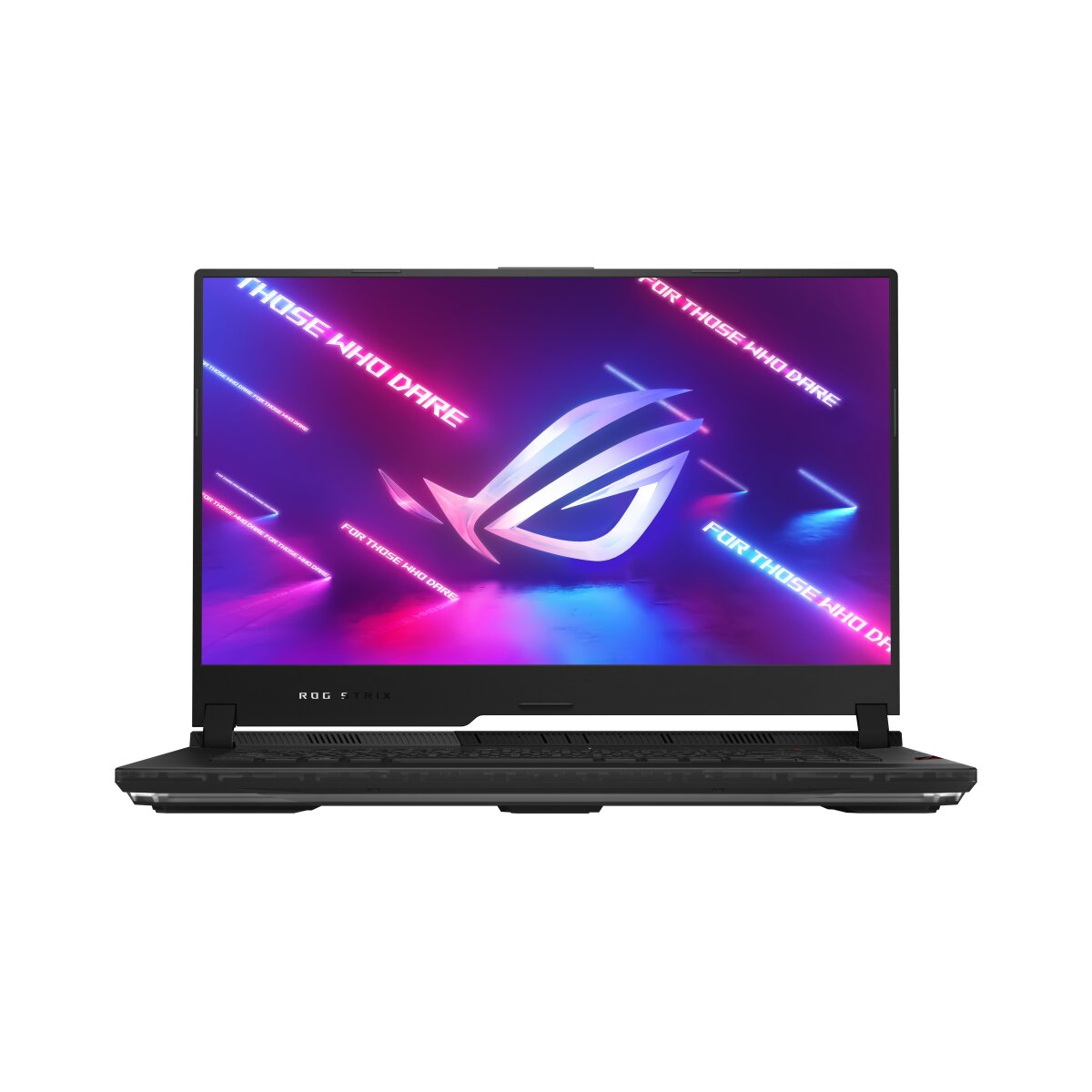
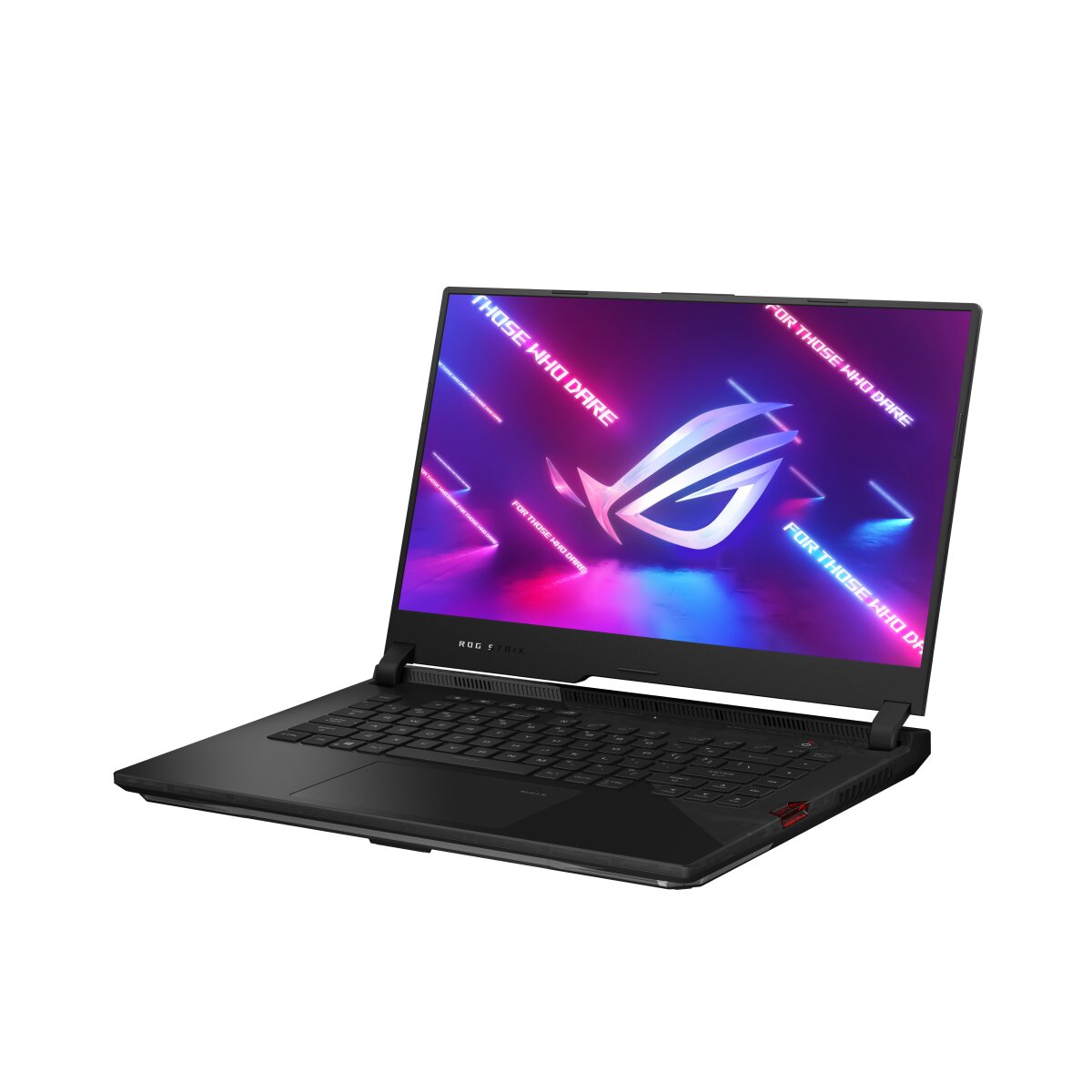
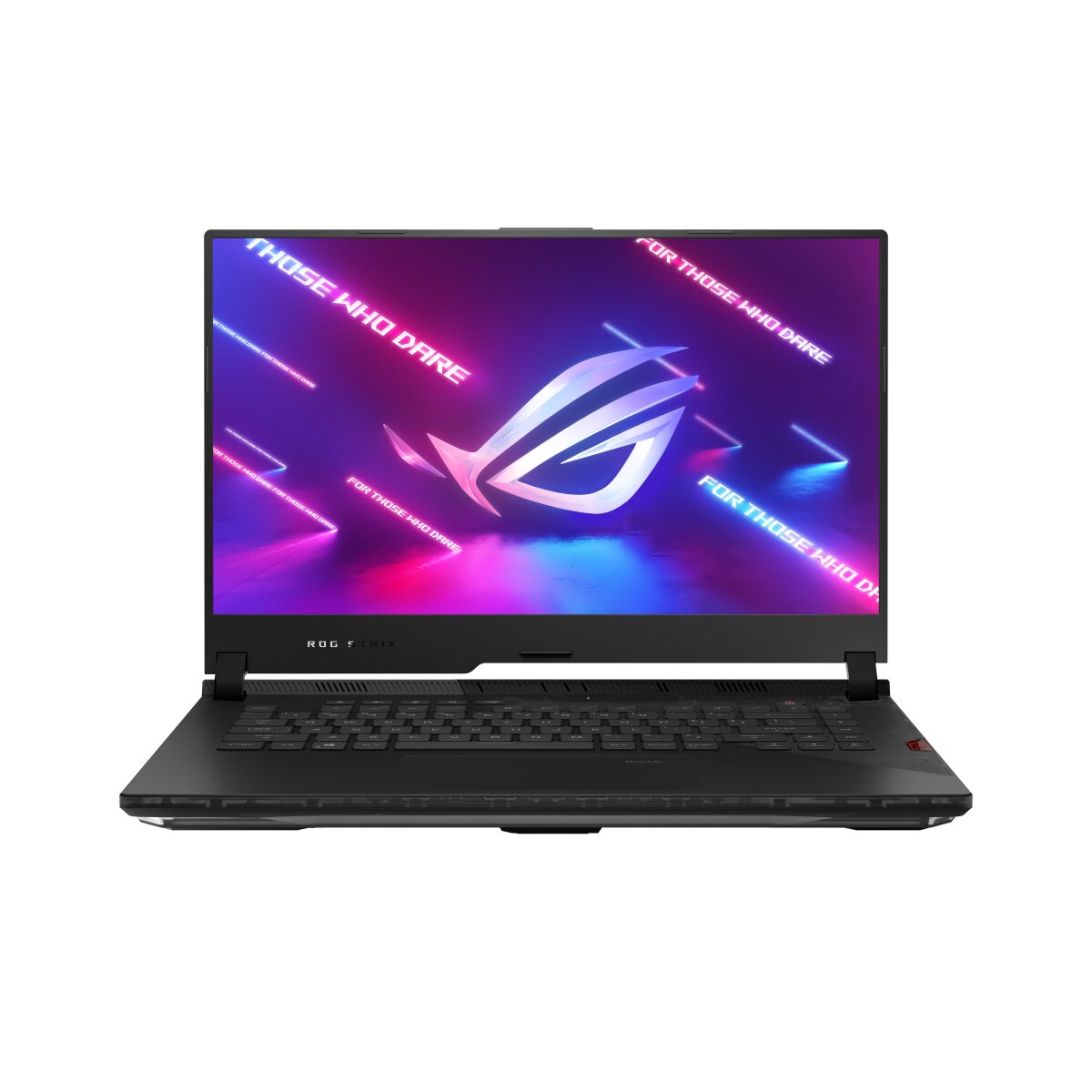
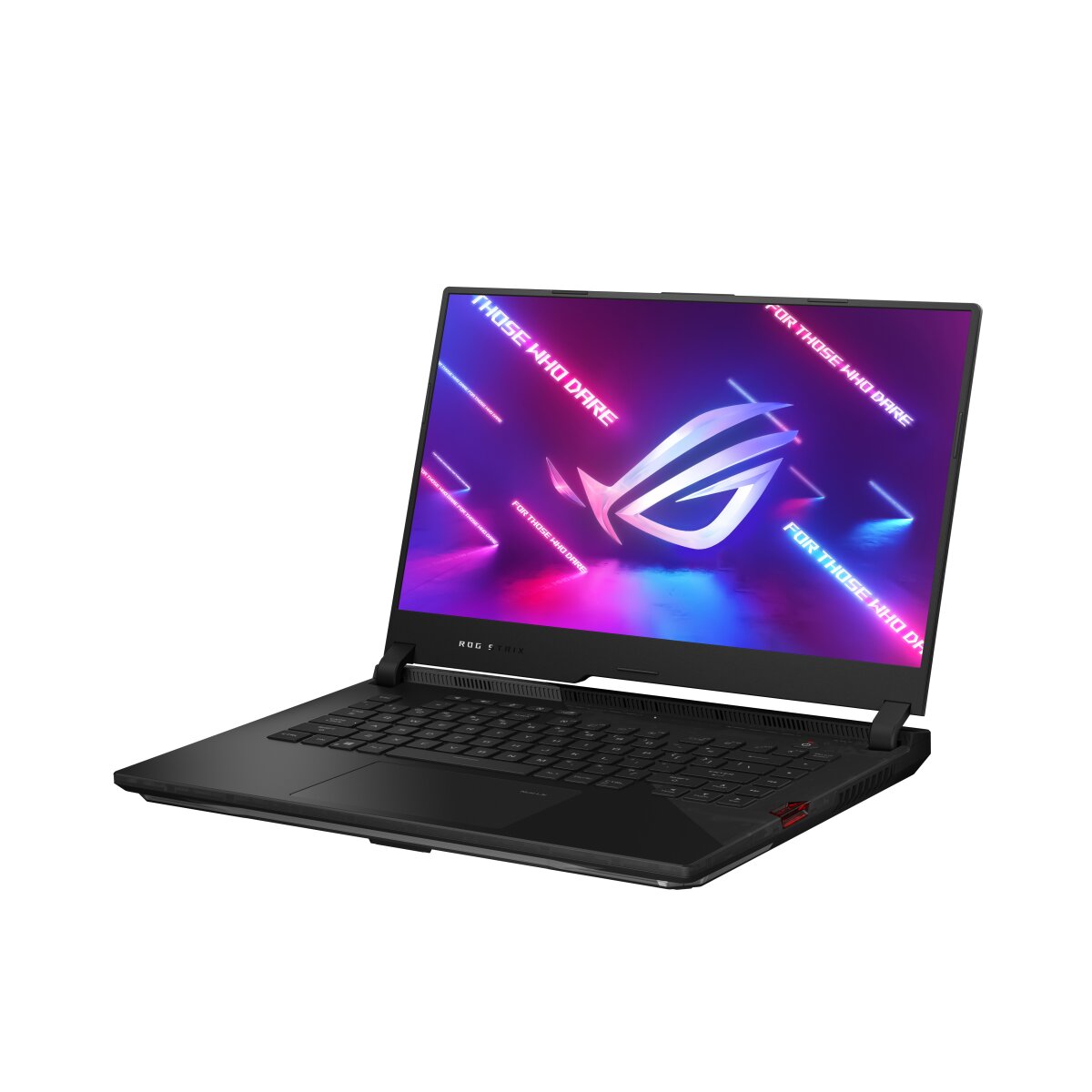
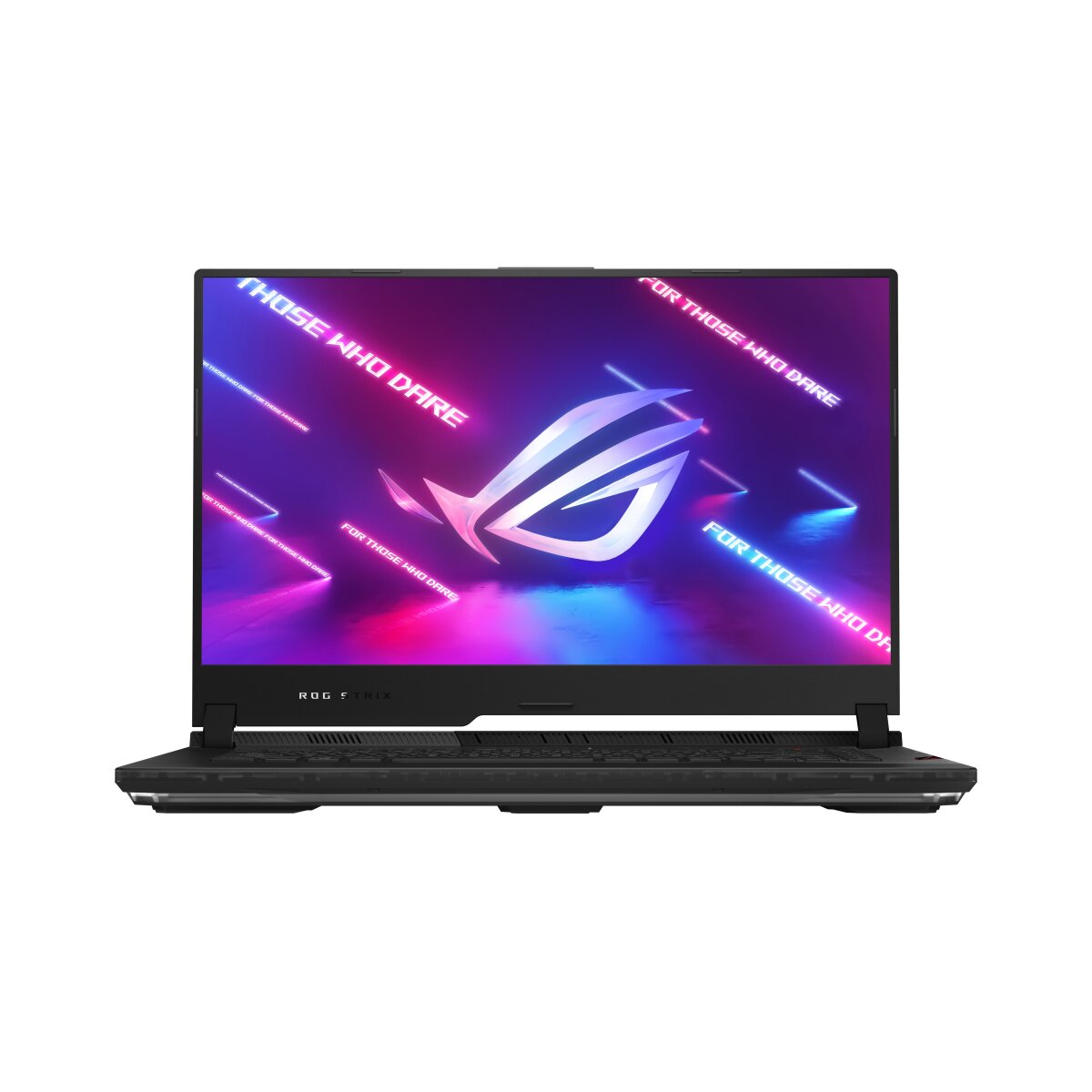
ASUS ROG Strix SCAR 15 G533QS-HF212T laptop memory upgrade specifications include two SO-DIMM slots supporting DDR4-SDRAM at 3200 MHz frequency. Maximum compatible RAM capacity reaches 64 GB total. Upgrade options utilize SO-DIMM form factor modules. Current memory configurations can be expanded through the available upgrade slots, with DDR4 modules providing compatible specifications for this gaming laptop model.
Memory Upgrade Specifications
| Specification | Value |
|---|---|
| Memory slots | 2x SO-DIMM |
| Form factor | SO-DIMM |
| Memory type | DDR4-SDRAM |
| Frequency | 3200 MHz |
| Maximum RAM | 64 GB |
| Voltage | 1.2V |
| Number of pins | 260-pin |
| Interface | PC4 |
| PC Speed Rating | PC4-3200 (PC4-25600) |
| Bandwidth | 25.6 GB/s |
| Laptop Release date | 31 December 2021 |
Additional Notes
- The ASUS ROG G533QS-HF212T uses SO-DIMM slots, which are laptop-specific and incompatible with desktop DDR4 modules. Desktop upgrades require distinct purchasing channels and verification steps.
- DDR4-3200 MHz standard indicates the motherboard enforces JEDEC compliance at this frequency. Higher-frequency modules (3600+) will downclock to 3200 MHz, eliminating cost premiums for faster memory without performance gains on this platform.
- The 64 GB maximum capacity ceiling (32 GB per slot) restricts future RAM expansion beyond this threshold. Single-module upgrades beyond 16 GB per stick exceed the certified specification and void warranty coverage.
- 2 SO-DIMM slots provide zero redundancy; a single module failure disables the entire memory subsystem. Backup configuration strategies require external storage solutions or cloud services.
- DDR4 modules operating at 3200 MHz consume 1.35V standard voltage. Low-power variants (1.2V) may experience stability issues and should be avoided unless explicitly certified by ASUS for this model.
- Upgrading from factory-installed RAM to 64 GB necessitates removing both original modules simultaneously. Partial upgrades (keeping 1 original module) risk mismatched latency timings and potential boot failures.
- Installation does not trigger automatic BIOS updates. Manual BIOS verification through ASUS support resources confirms memory detection accuracy; some firmware revisions require explicit RAM profile configuration.