ASUS ROG G634JZR-N4016W-BE RAM upgrade specifications
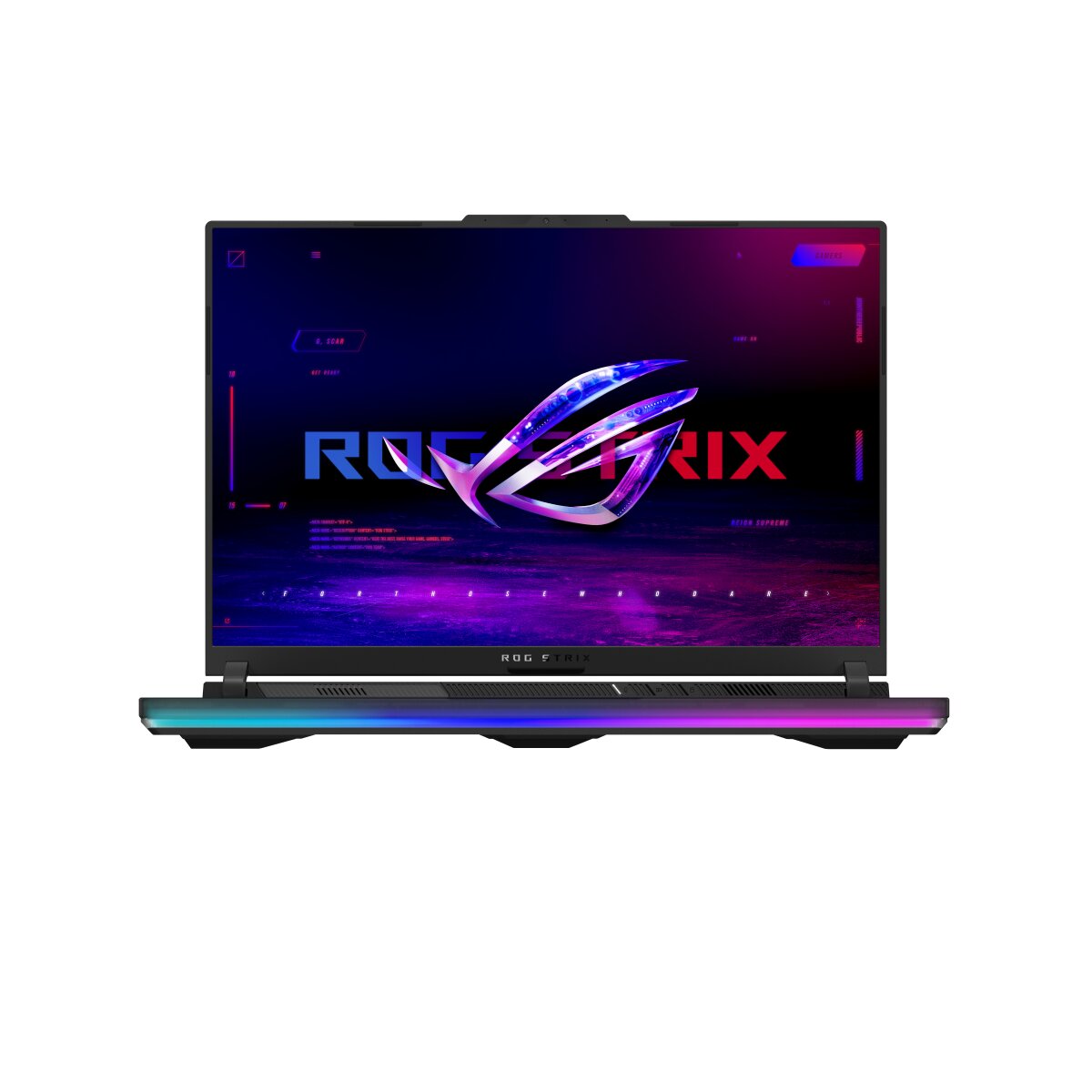
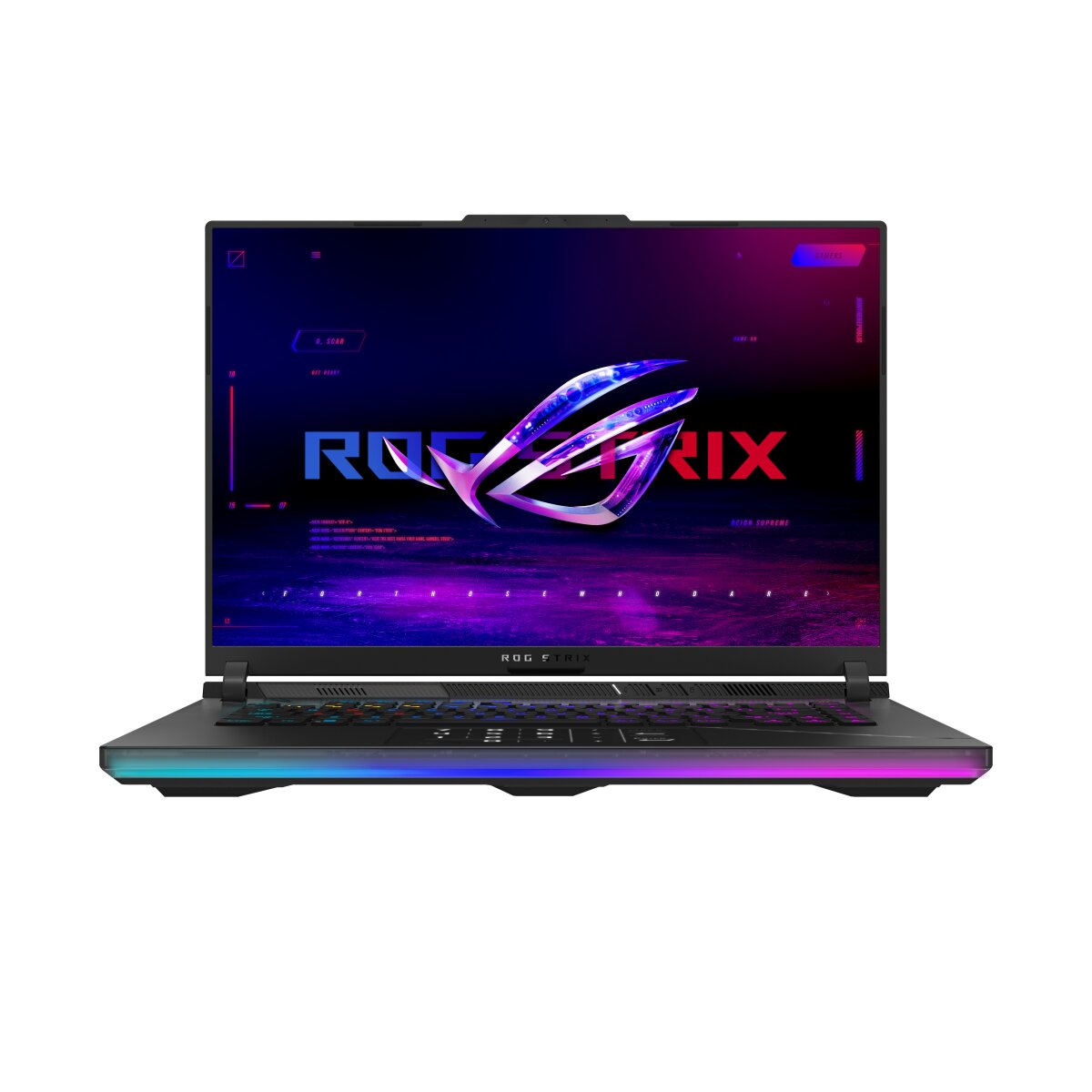
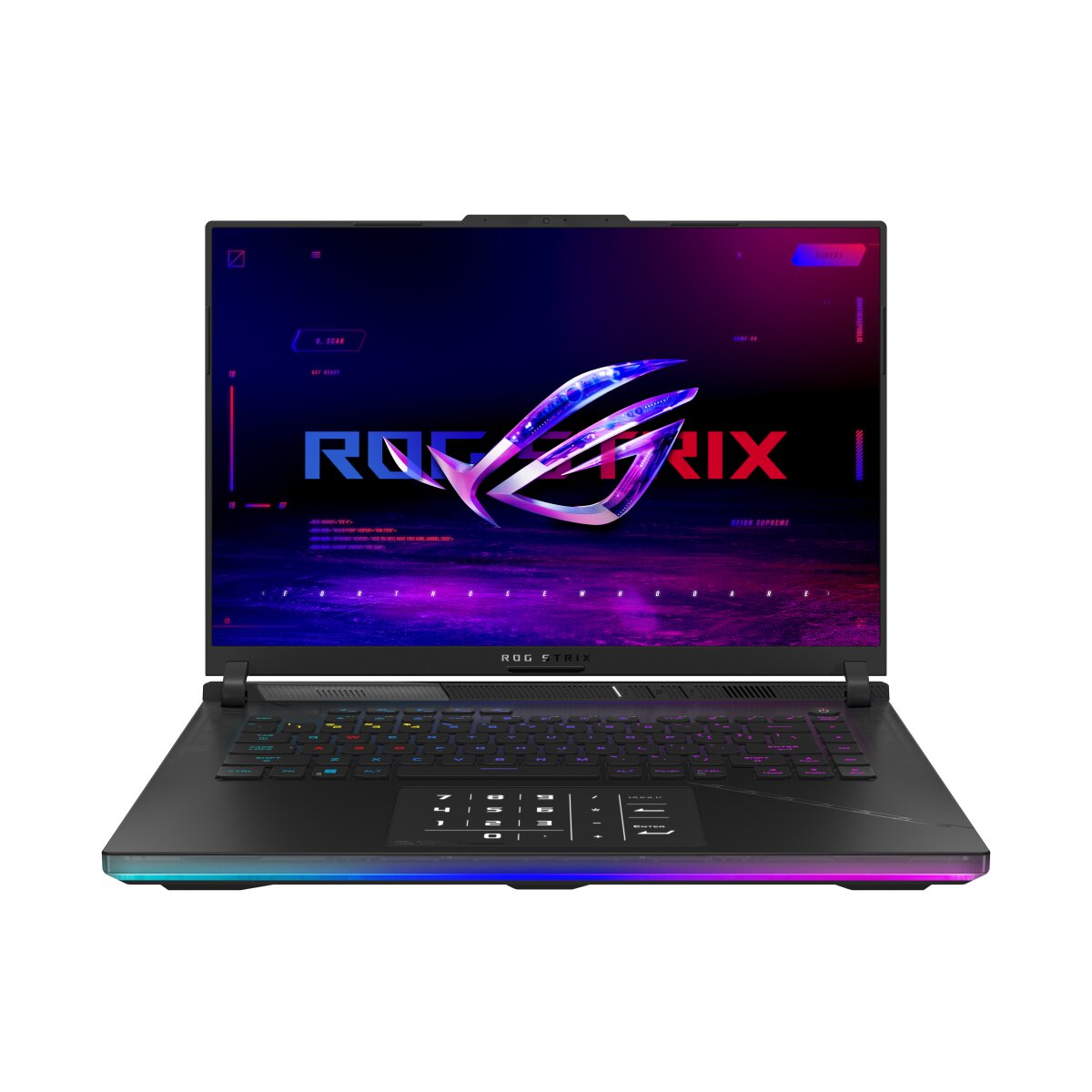
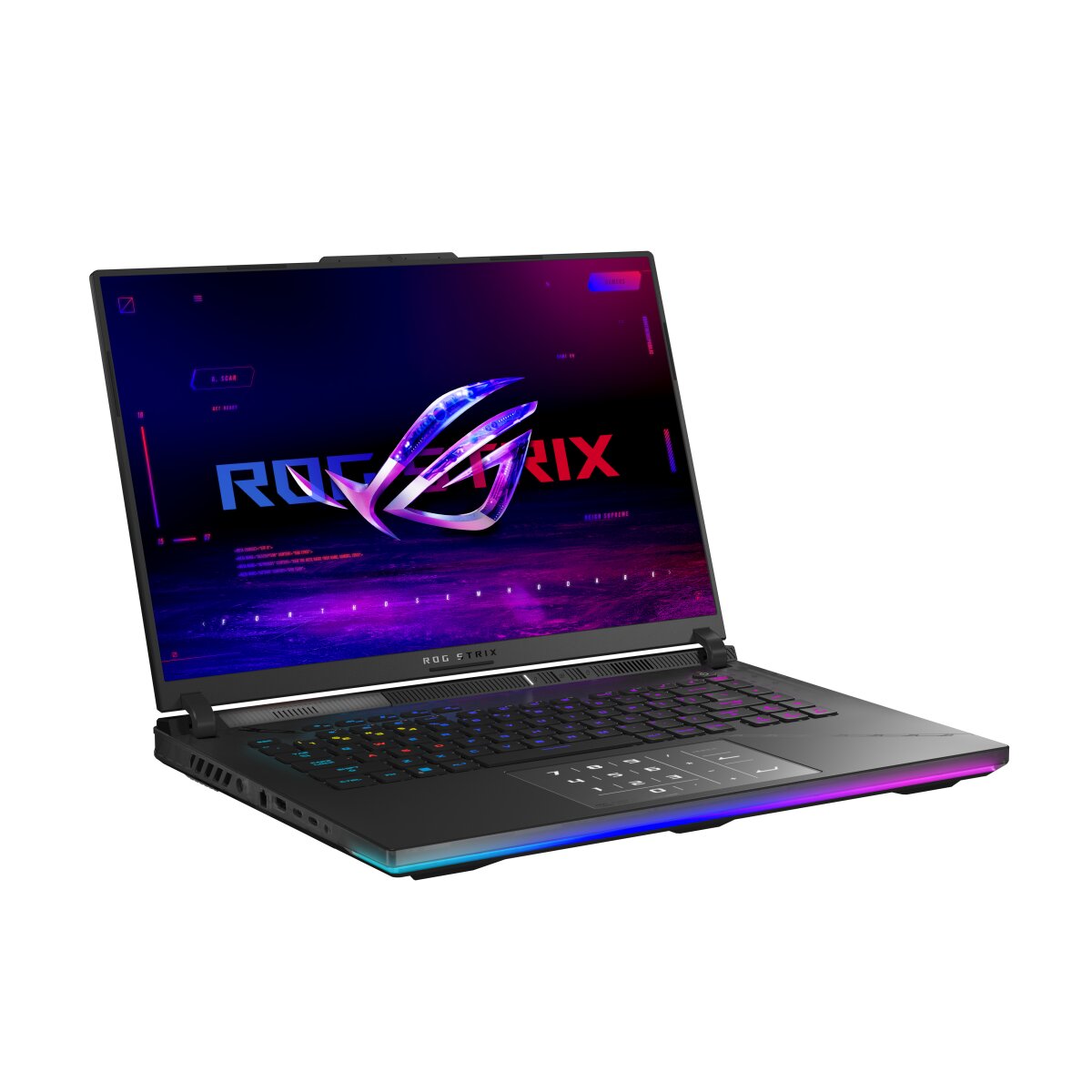
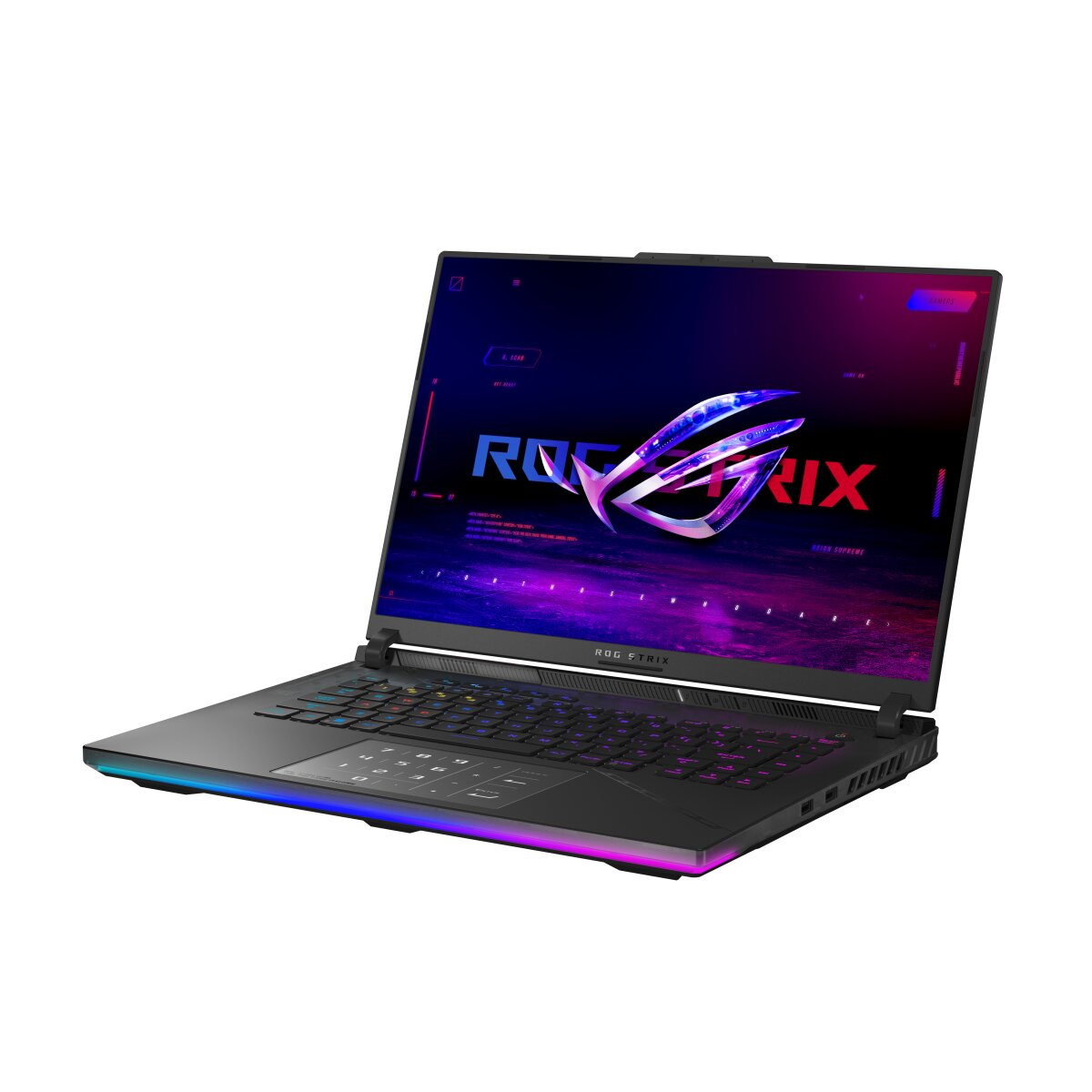
ASUS ROG Strix SCAR 16 model G634JZR-N4016W-BE features DDR5-SDRAM memory upgrade capabilities with 2 SO-DIMM slots supporting maximum capacity of 64 GB RAM. Compatible memory operates at 5600 MHz frequency. Upgrade specifications utilize SO-DIMM form factor for laptop memory expansion, enabling system memory enhancement through dual slot configuration for enhanced performance.
Memory Upgrade Specifications
| Specification | Value |
|---|---|
| Memory slots | 2x SO-DIMM |
| Form factor | SO-DIMM |
| Memory type | DDR5-SDRAM |
| Frequency | 5600 MHz |
| Maximum RAM | 64 GB |
| Voltage | 1.1V |
| Number of pins | 262-pin |
| Interface | PC5 |
| PC Speed Rating | PC5-5600 (PC5-44800) |
| Bandwidth | 44.8 GB/s |
| Laptop Release date | 09 January 2024 |
Additional Notes
- The 2 SO-DIMM slot configuration means both memory modules must be replaced simultaneously to achieve the 64 GB maximum capacity. Upgrading a single slot leaves the system operating in single-channel mode, reducing memory bandwidth by approximately 50 percent until a second module is installed.
- DDR5-5600 MHz modules operate at JEDEC standard frequencies. Third-party DDR5 modules rated above 5600 MHz function only if the BIOS supports XMP or EXPO profiles; otherwise they downclock to 5600 MHz, negating higher-speed purchases.
- The SO-DIMM form factor restricts upgrades to laptop-specific memory modules. Desktop DDR5 UDIMM modules are physically incompatible and cannot be adapted, eliminating access to potentially lower-cost consumer-grade memory.
- The 64 GB ceiling represents a hard limit based on the 2-slot architecture and maximum addressable capacity per SO-DIMM. Future memory needs exceeding this threshold cannot be satisfied through upgrades on the ASUS ROG G634JZR-N4016W-BE platform.
- DDR5 memory compatibility depends on SPD (Serial Presence Detect) specifications matching the laptop's memory controller validation. Untested third-party modules may fail to initialize even if electrically compliant, potentially triggering automatic BIOS rollback or requiring manual configuration.
- Removing factory-installed memory modules to install aftermarket replacements typically voids thermal warranty coverage if the thermal interface between the memory and chassis is disturbed. Reinstallation requires documented reapplication of thermal compounds per manufacturer specifications to maintain coverage.