ASUS ROG G634JZR-N4140X RAM upgrade specifications

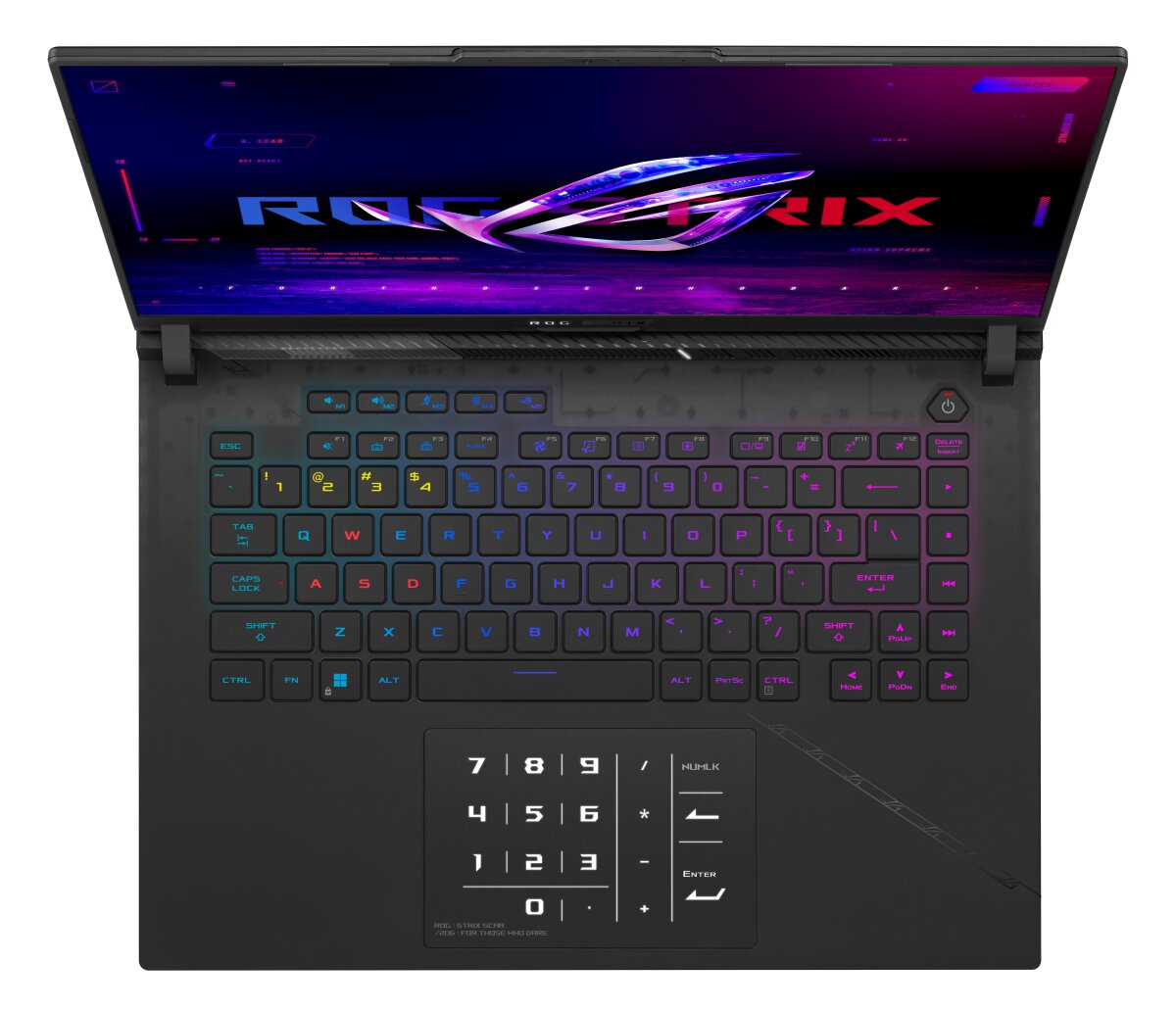

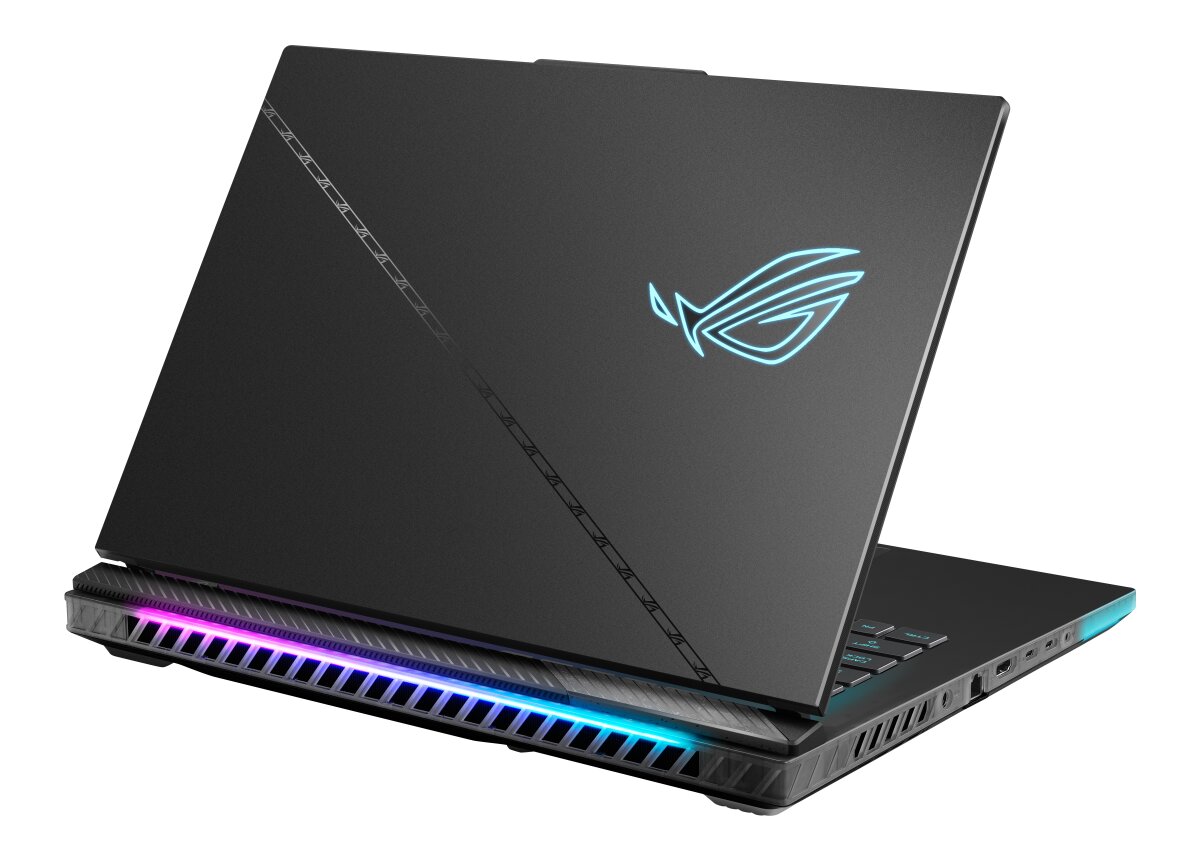
ASUS ROG Strix SCAR 16 model G634JZR-N4140X supports DDR5-SDRAM memory upgrades with maximum capacity of 64 GB across 2 SO-DIMM slots. Compatible memory operates at 5600 MHz frequency. Upgrade specifications indicate DDR5 SO-DIMM form factor modules are required for this gaming laptop. Maximum expandable memory reaches 64 GB total, providing significant upgrade potential from factory configuration.
Memory Upgrade Specifications
| Specification | Value |
|---|---|
| Memory slots | 2x SO-DIMM |
| Form factor | SO-DIMM |
| Memory type | DDR5-SDRAM |
| Frequency | 5600 MHz |
| Maximum RAM | 64 GB |
| Voltage | 1.1V |
| Number of pins | 262-pin |
| Interface | PC5 |
| PC Speed Rating | PC5-5600 (PC5-44800) |
| Bandwidth | 44.8 GB/s |
Additional Notes
- The ASUS ROG G634JZR-N4140X implements a dual-channel memory architecture through its 2 SO-DIMM slots, requiring matched module pairs to achieve optimal memory bandwidth of 89.6 GB/s.
- The 64 GB maximum capacity constraint indicates chipset and BIOS limitations that restrict module density to 32 GB per slot, eliminating compatibility with higher-density configurations.
- DDR5-5600 operation provides 1.75 times the theoretical bandwidth of DDR4-3200, reducing memory-bound bottlenecks in workloads involving large dataset transfers and high-resolution texture streaming.
- The SO-DIMM form factor specification confirms user-accessible memory slots rather than soldered modules, preserving warranty-compliant upgrade capability without mainboard replacement.
- Memory frequency of 5600 MHz requires modules with JEDEC SPD profiles or XMP 3.0 support, as manual timing configuration may void manufacturer support or cause POST failure.
- Single-channel population results in 50% bandwidth reduction to 44.8 GB/s, creating performance degradation in multi-threaded applications and integrated graphics workloads despite maintaining functional operation.
- DDR5 voltage regulation occurs on-module through PMIC chips rather than motherboard VRM, shifting thermal dissipation from the mainboard to the memory modules themselves during sustained high-frequency operation.
- The 5600 MHz specification represents native speed rather than overclocked profiles, ensuring stability without dependency on cooling solutions or power delivery headroom beyond stock configuration.
- Mixed module configurations with different latency timings force the memory controller to lowest-common-denominator operation, potentially reducing effective performance below the 5600 MHz specification despite matching frequency ratings.
- Installation requires anti-static precautions and precise angular insertion at approximately 30 degrees before horizontal seating, as SO-DIMM retention clips provide the sole mechanical lock without additional screws or brackets.