ASUS ROG G635LW-RW141-GAMING RAM upgrade specifications

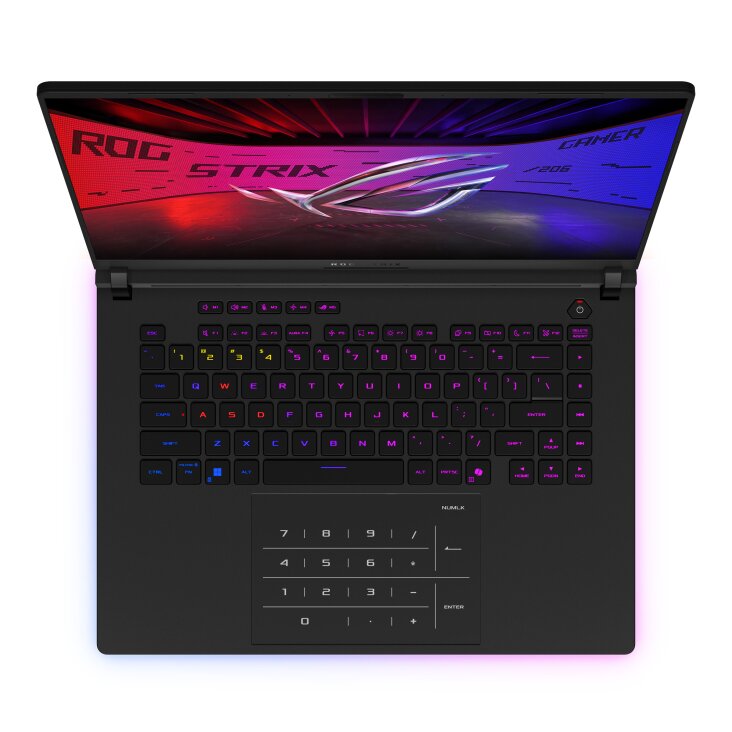
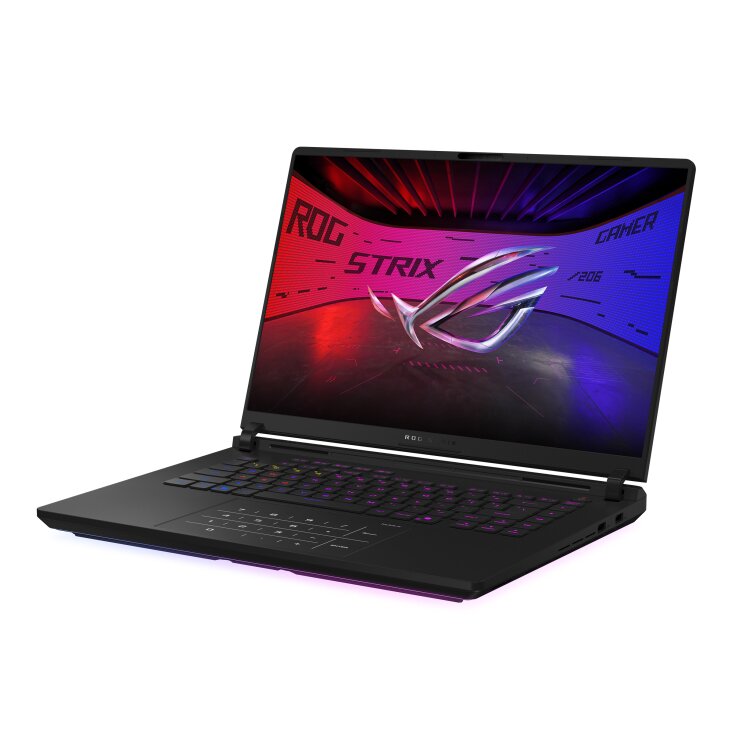


ASUS ROG Strix SCAR 16 model G635LW-RW141-GAMING supports DDR5-SDRAM memory upgrades. The laptop features 2 SO-DIMM slots with maximum RAM capacity of 64 GB. Compatible memory modules operate at 5600 MHz frequency and utilize SO-DIMM form factor. Specifications indicate upgrade potential for users requiring enhanced memory performance and capacity in gaming and professional applications.
Memory Upgrade Specifications
| Specification | Value |
|---|---|
| Memory slots | 2x SO-DIMM |
| Form factor | SO-DIMM |
| Memory type | DDR5-SDRAM |
| Frequency | 5600 MHz |
| Maximum RAM | 64 GB |
| Voltage | 1.1V |
| Number of pins | 262-pin |
| Interface | PC5 |
| PC Speed Rating | PC5-5600 (PC5-44800) |
| Bandwidth | 44.8 GB/s |
Additional Notes
- DDR5 memory operates at higher voltage (1.25V) than DDR4 (1.2V), requiring thermal management consideration during sustained gaming sessions. Aftermarket cooling solutions may be necessary if upgrading to maximum capacity.
- The 2-slot configuration on the ASUS ROG G635LW-RW141-GAMING permits only 2 DIMM modules total, eliminating future expansion beyond 64 GB without replacing existing modules. Single-slot upgrades consume permanent slot inventory.
- SO-DIMM form factor restricts module selection to laptop-specific hardware. Desktop DDR5 modules are physically incompatible and will not fit the memory slot architecture.
- 5600 MHz native frequency specification constrains compatibility to DDR5 modules rated for JEDEC 5600 or JESD79-5C standard. Modules advertised at higher XMP/EXPO profiles will downclock to 5600 MHz, negating performance marketing claims.
- Upgrading from factory configuration to 64 GB requires matching module specifications (voltage, latency timing) to existing OEM memory. Mismatched timing parameters can trigger memory training failures during POST or system instability under load.
- DDR5 to DDR5 upgrades preserve manufacturer warranty when performed with standard JEDEC-compliant modules. Overclocked or non-standard frequency memory may void coverage depending on ASUS terms.
- 64 GB capacity reaches practical saturation for gaming workloads; performance gains beyond 32 GB are marginal outside content creation and virtualization scenarios.