ASUS ROG G635LX-RW110W RAM upgrade specifications


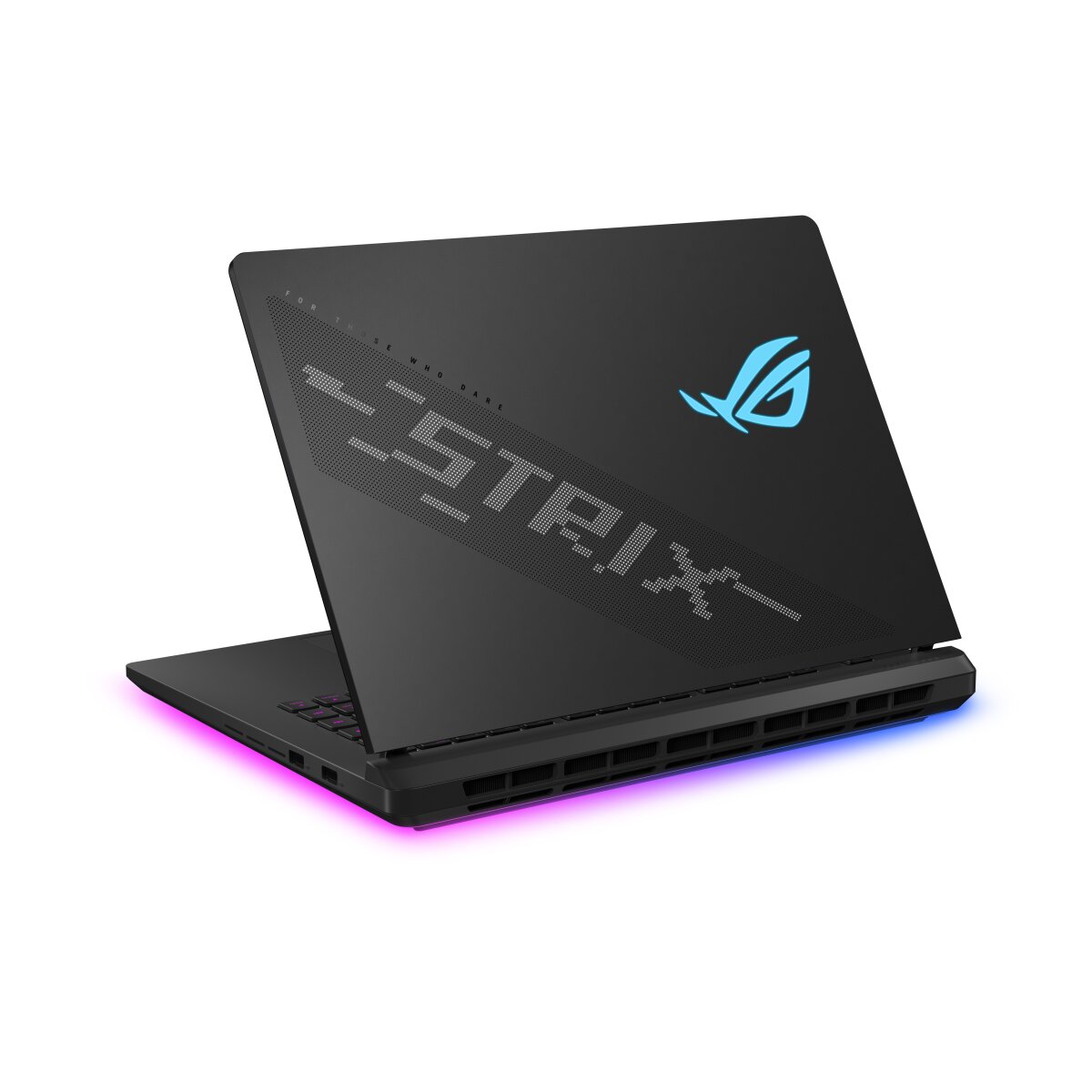
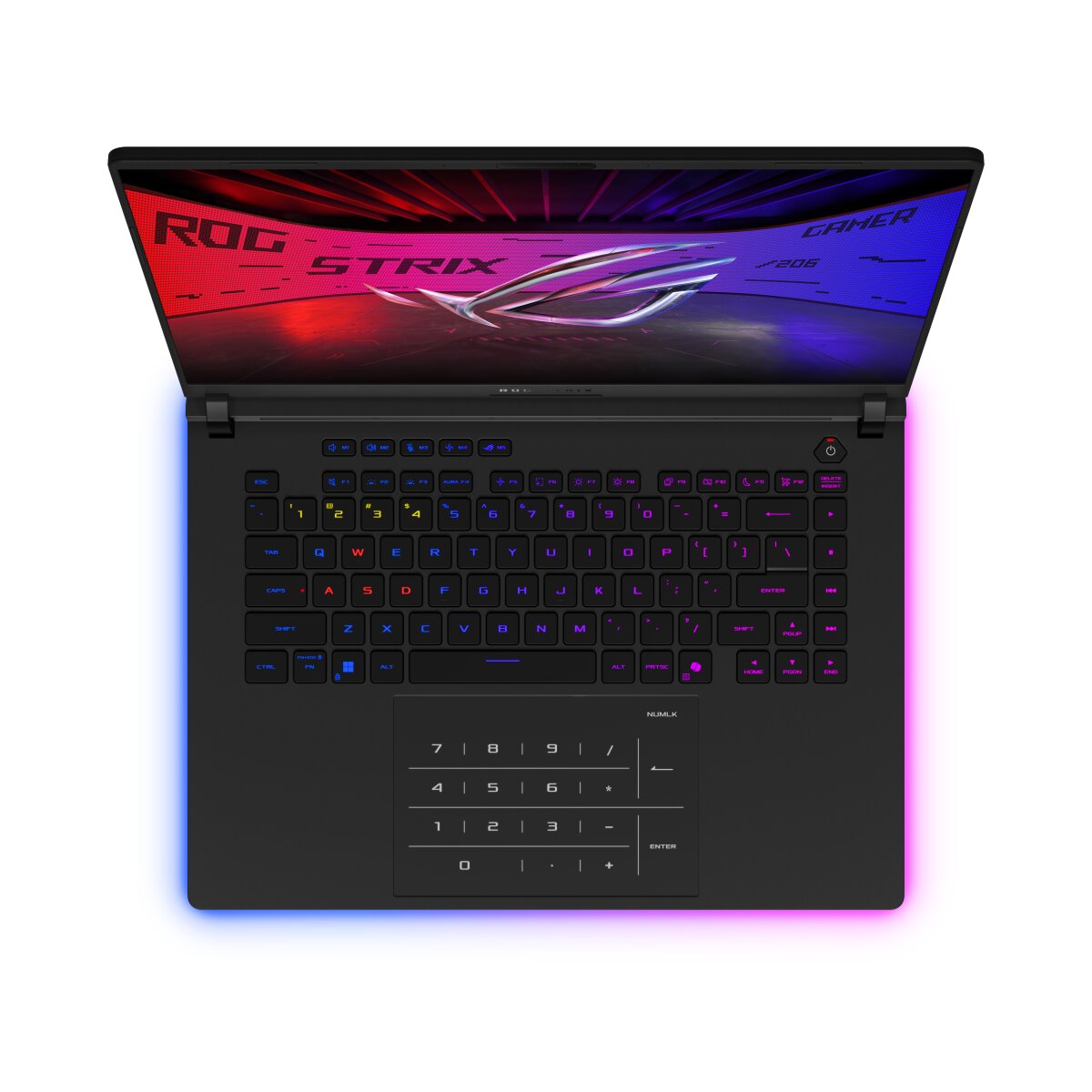
ASUS ROG Strix SCAR 16 G635LX-RW110W specifications include DDR5-SDRAM memory upgrade capabilities featuring 2x SO-DIMM slots with maximum RAM capacity of 64 GB. Compatible memory operates at 5600 MHz frequency using SO-DIMM form factor. Upgrade slots support DDR5 specifications for enhanced performance and multitasking capabilities in the gaming laptop platform.
Memory Upgrade Specifications
| Specification | Value |
|---|---|
| Memory slots | 2x SO-DIMM |
| Form factor | SO-DIMM |
| Memory type | DDR5-SDRAM |
| Frequency | 5600 MHz |
| Maximum RAM | 64 GB |
| Voltage | 1.1V |
| Number of pins | 262-pin |
| Interface | PC5 |
| PC Speed Rating | PC5-5600 (PC5-44800) |
| Bandwidth | 44.8 GB/s |
Additional Notes
- The ASUS ROG G635LX-RW110W contains 2 SO-DIMM slots, which means both slots must be populated to achieve the 64 GB maximum capacity. Removing either module will result in single-channel operation, reducing bandwidth by approximately 50 percent and degrading gaming and multithreaded workload performance.
- DDR5-5600 MHz modules are required for specification compliance. Older DDR5-4800 or DDR5-5200 memory will function but operate at reduced speeds, leaving performance gains unrealized. DDR4 modules are physically incompatible with this platform and will not install.
- Upgrading from a lower capacity configuration (such as 16 GB or 32 GB) to 64 GB requires replacing both existing SO-DIMM modules. The memory controller on this platform does not support mixed-capacity configurations reliably, and mismatched module sizes can cause unstable dual-channel operation or boot failures.
- SO-DIMM form factor imposes physical space constraints within the chassis. Heatspreaders on DDR5 modules vary in height; some aftermarket modules with tall cooling fins may contact the CPU cooler or chassis lid, requiring clearance verification before installation or potentially necessitating cooler replacement.
- Warranty coverage for RAM upgrades typically remains intact when using manufacturer-approved or standard specification modules. However, using non-standard frequency, timing, or XMP profiles outside the 5600 MHz specification may void coverage for memory-related failures, as the OEM does not validate such configurations.
- The dual-channel architecture on this platform creates a latency sensitivity threshold. Even minor frequency deviations or timing relaxation below DDR5-5600 will produce measurable frame rate loss in GPU-bound scenarios, particularly at high refresh rates above 120 Hz.