ASUS ROG G635LX-S5108W RAM upgrade specifications




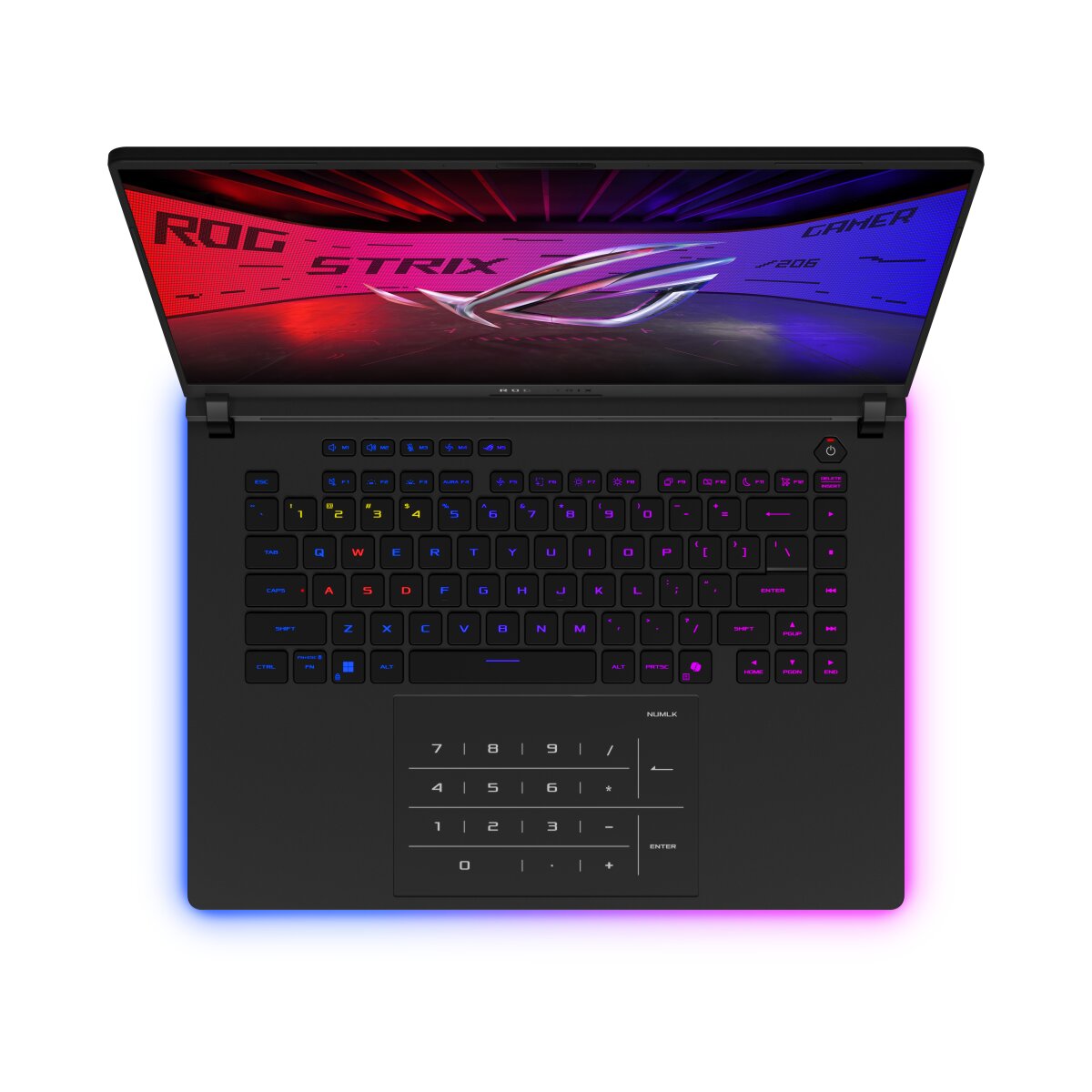
The ASUS ROG Strix SCAR 16 G635LX-S5108W laptop features two SO-DIMM slots supporting DDR5-SDRAM memory upgrades. The maximum RAM capacity reaches 64 GB total, with compatible memory operating at 5600 MHz frequency. Specifications indicate the device supports DDR5 technology for enhanced performance. RAM upgrade options allow users to expand memory configuration by installing compatible SO-DIMM modules in available slots. Current and prospective memory configurations must adhere to DDR5-SDRAM specifications and frequency compatibility standards for proper system operation.
Memory Upgrade Specifications
| Specification | Value |
|---|---|
| Memory slots | 2x SO-DIMM |
| Form factor | SO-DIMM |
| Memory type | DDR5-SDRAM |
| Frequency | 5600 MHz |
| Maximum RAM | 64 GB |
| Voltage | 1.1V |
| Number of pins | 262-pin |
| Interface | PC5 |
| PC Speed Rating | PC5-5600 (PC5-44800) |
| Bandwidth | 44.8 GB/s |
| Laptop Release date | 20 January 2025 |
Additional Notes
- The DDR5-5600 specification indicates this ASUS ROG G635LX-S5108W operates on JEDEC standard speeds rather than overclocked XMP profiles, ensuring stability without BIOS configuration.
- The 64 GB ceiling translates to 2x32 GB module configuration as the only path to maximum capacity, eliminating 4x16 GB arrangements due to the dual-slot limitation.
- SO-DIMM DDR5 modules require voltage regulation on the module itself rather than the motherboard, reducing heat transfer to the laptop chassis compared to DDR4 architectures.
- Mixed-capacity configurations such as 16 GB plus 32 GB will force the memory controller into asymmetric dual-channel mode, potentially creating bandwidth imbalances during intensive workloads.
- The 5600 MHz frequency provides 44.8 GB/s theoretical bandwidth per channel, totaling 89.6 GB/s in dual-channel mode when populated symmetrically.
- DDR5 non-ECC unbuffered modules represent the only compatible type, as SO-DIMM form factor excludes registered or load-reduced variants used in server environments.
- Thermal considerations become critical above 32 GB total capacity, as denser memory chips generate more heat within the confined SO-DIMM package dimensions.
- Third-party modules must maintain 1.1V operating voltage to comply with DDR5 specifications and avoid potential instability or controller damage.
- The dual-slot architecture prevents future expansion beyond initial upgrade decisions, making the first capacity choice effectively permanent for the device lifespan.
- CAS latency specifications between CL40 and CL46 at 5600 MHz fall within acceptable ranges, though lower absolute latency values benefit latency-sensitive applications.