ASUS ROG G732LWS-HG046T RAM upgrade specifications

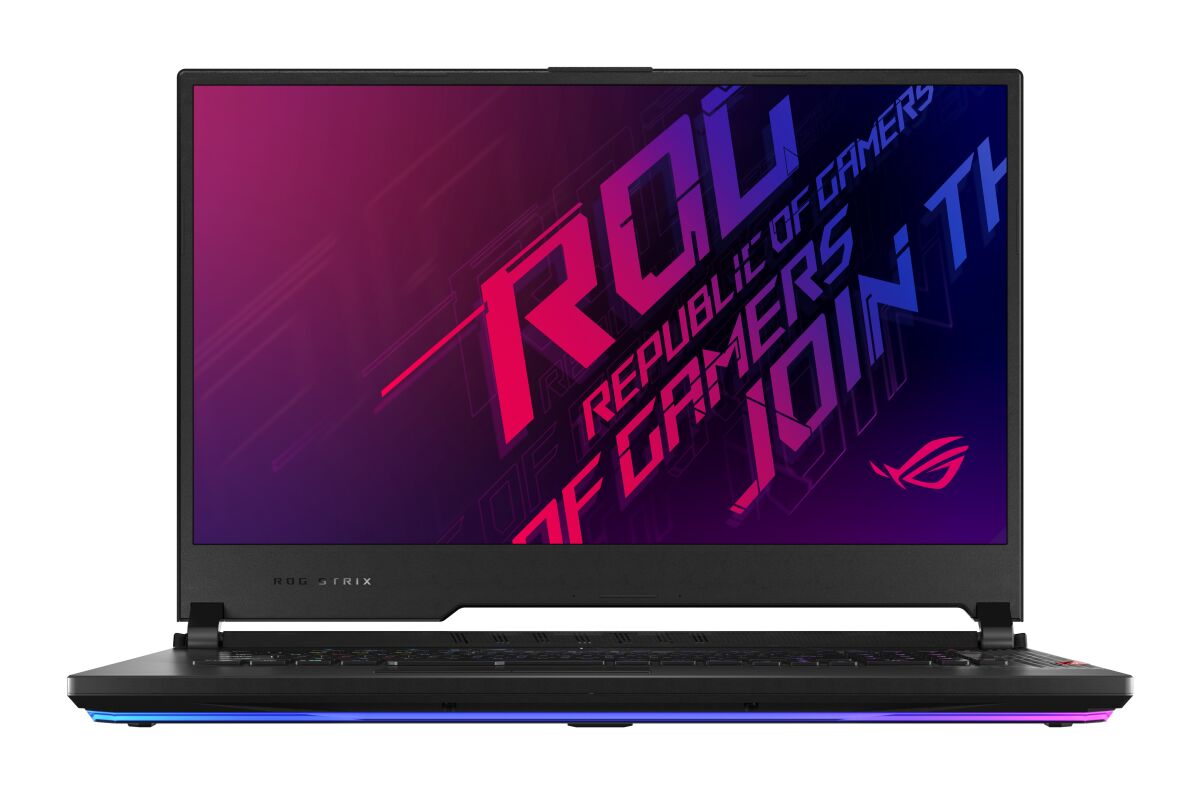
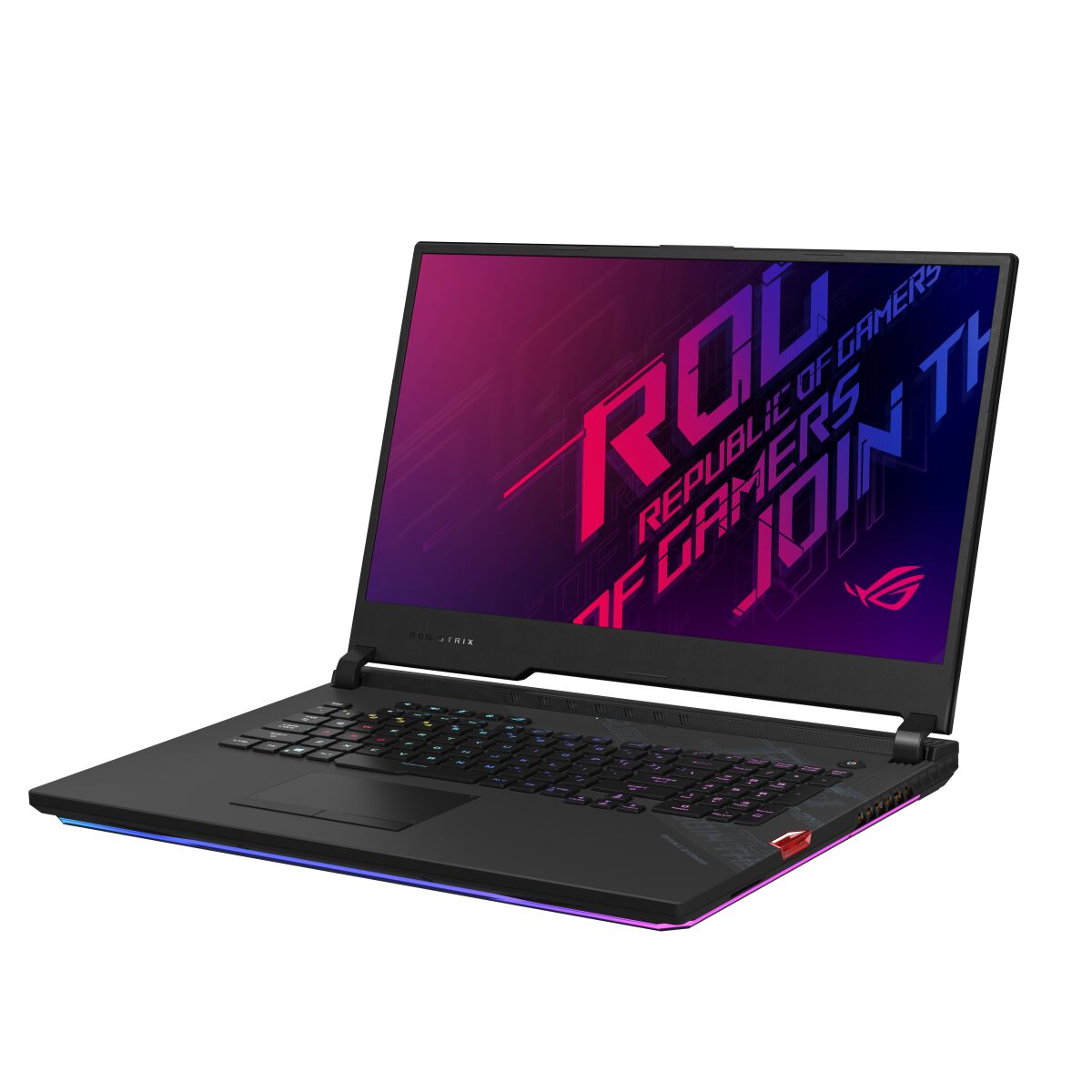

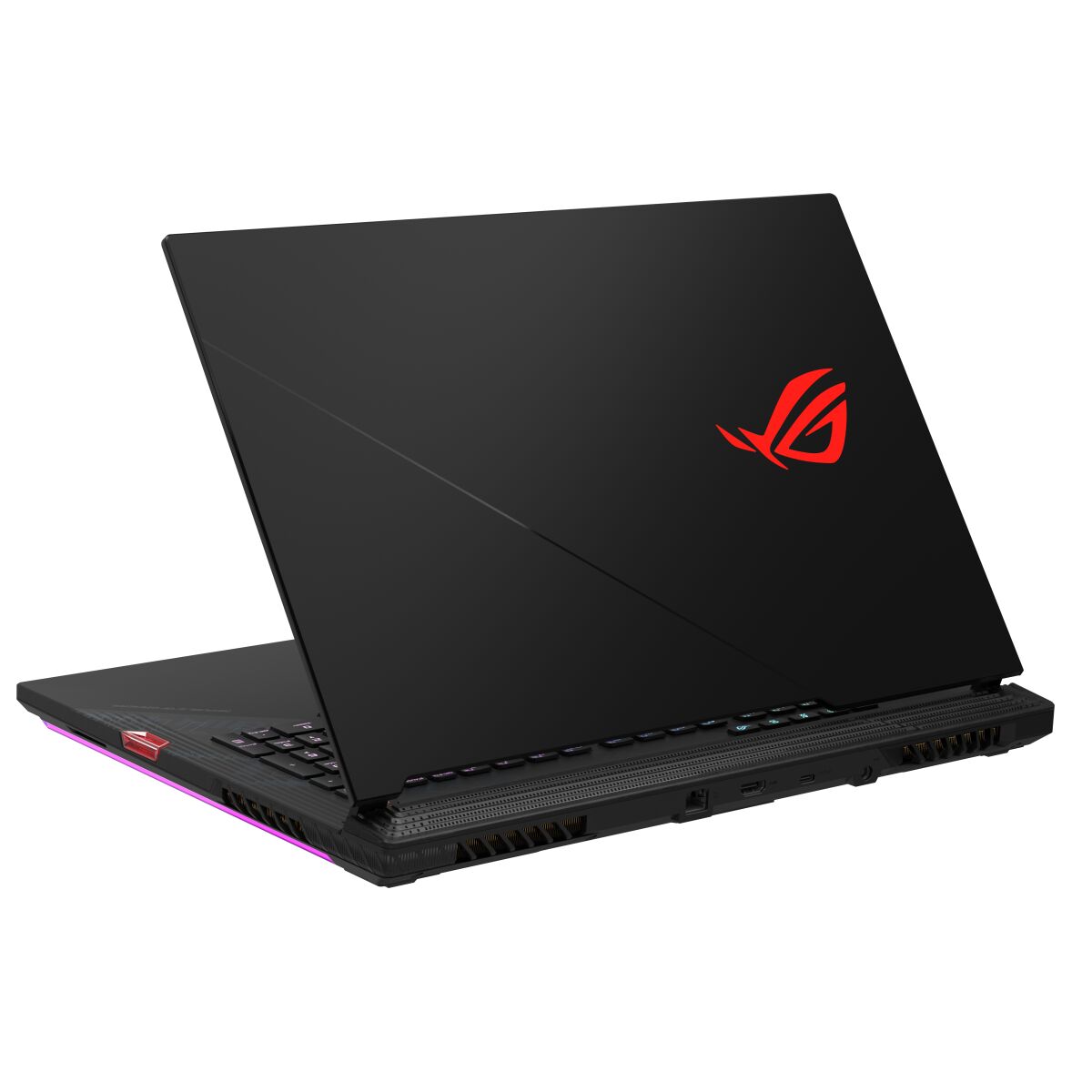
ASUS ROG Strix SCAR 17 G732LWS-HG046T memory upgrade specifications indicate DDR4-SDRAM compatible RAM with maximum capacity of 32 GB. Laptop features 2x SO-DIMM slots supporting DDR4 memory modules operating at 3200 MHz frequency. Upgradeable configuration allows users to install compatible DDR4 SO-DIMM modules up to specified maximum capacity. Memory specifications provide technical parameters for RAM upgrade planning on this gaming laptop model.
Memory Upgrade Specifications
| Specification | Value |
|---|---|
| Memory slots | 2x SO-DIMM |
| Form factor | SO-DIMM |
| Memory type | DDR4-SDRAM |
| Frequency | 3200 MHz |
| Maximum RAM | 32 GB |
| Voltage | 1.2V |
| Number of pins | 260-pin |
| Interface | PC4 |
| PC Speed Rating | PC4-3200 (PC4-25600) |
| Bandwidth | 25.6 GB/s |
| Laptop Release date | 04 February 2021 |
Additional Notes
- The ASUS ROG G732LWS-HG046T contains 2 SO-DIMM slots operating as a dual-channel configuration, which means memory upgrades must maintain paired capacity to preserve bandwidth efficiency; asymmetric configurations reduce throughput by approximately 25 percent.
- DDR4-3200 memory operates at reduced latency tolerance compared to newer DDR5 standards, limiting future compatibility; any replacement modules must match the 3200 MHz specification to avoid automatic throttling by the BIOS.
- The 32 GB ceiling restricts the unit to 16 GB modules maximum per slot, creating a hard physical limit that cannot be exceeded through firmware updates or BIOS modifications.
- SO-DIMM form factor requires low-profile memory modules; standard desktop DDR4 DIMMs are mechanically incompatible and will not physically seat in the available slots.
- Warranty-safe upgrade paths require purchasing manufacturer-qualified SO-DIMM modules rated for 3200 MHz operation; mixing speeds from different vendors may trigger compatibility issues despite matching MHz specifications due to timing profile variations.
- The dual-slot architecture prevents incremental scaling; upgrading from 1 existing module requires simultaneous replacement of both slots to maintain symmetrical performance rather than simple slot addition.