ASUS ROG G733PYV-LL070W RAM upgrade specifications
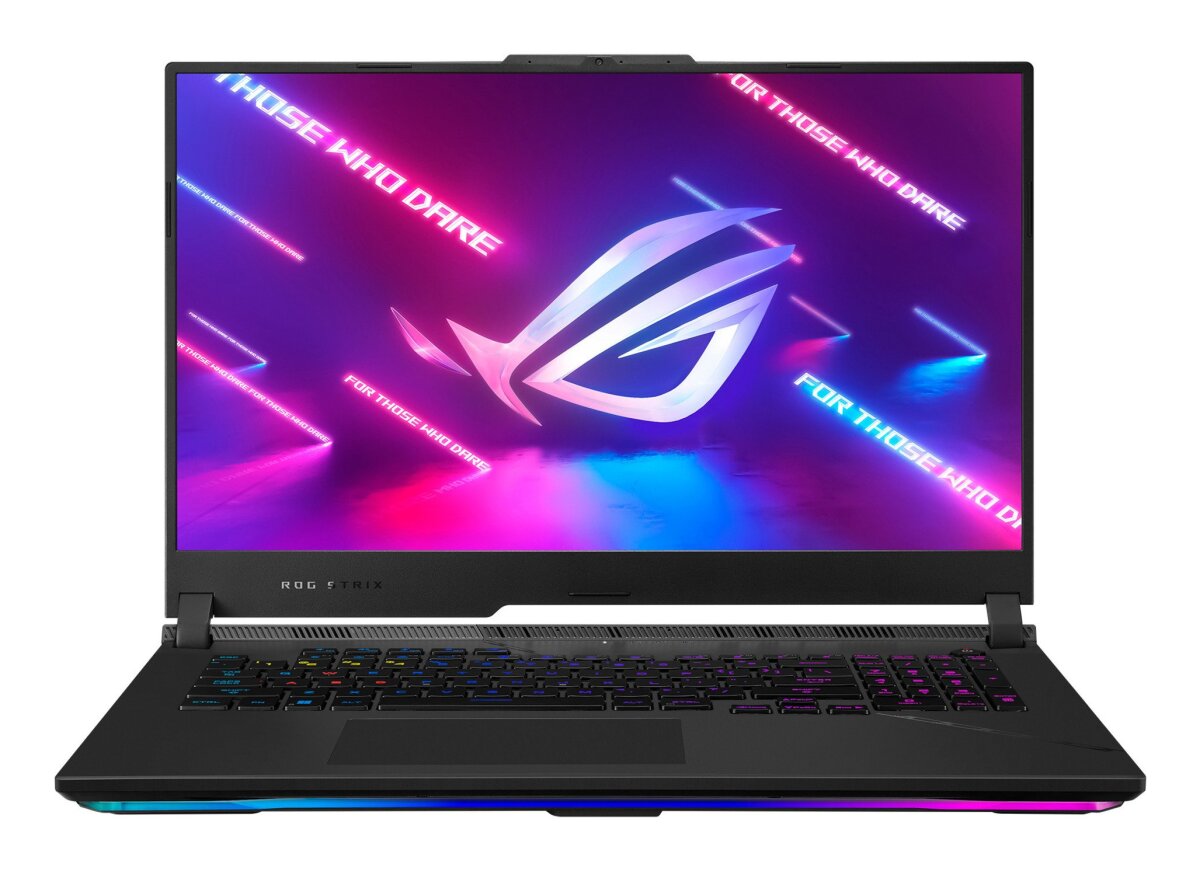
ASUS ROG Strix SCAR 17 G733PYV-LL070W laptop features two SO-DIMM slots supporting DDR5-SDRAM memory upgrades. Maximum compatible RAM capacity reaches 64 GB total. The memory specifications support DDR5-4800 MHz frequency. Upgrade options allow installation of compatible DDR5 SO-DIMM modules in both slots to expand system memory capacity from stock configuration. Specifications indicate support for standard DDR5 memory modules meeting SO-DIMM form factor requirements.
Memory Upgrade Specifications
| Specification | Value |
|---|---|
| Memory slots | 2x SO-DIMM |
| Form factor | SO-DIMM |
| Memory type | DDR5-SDRAM |
| Frequency | 4800 MHz |
| Maximum RAM | 64 GB |
| Voltage | 1.1V |
| Number of pins | 262-pin |
| Interface | PC5 |
| PC Speed Rating | PC5-4800 (PC5-38400) |
| Bandwidth | 38.4 GB/s |
Additional Notes
- The ASUS ROG G733PYV-LL070W accepts only DDR5 modules, making DDR4 upgrades physically and electrically incompatible due to different notch positions and voltage requirements.
- The 64 GB ceiling requires two 32 GB modules, as single-module configurations will underutilize the maximum capacity.
- SO-DIMM form factor restricts compatibility to laptop-specific modules, preventing desktop DIMM installation regardless of memory type matching.
- Native 4800 MHz support enables higher frequency modules to function through automatic downclocking, though exceeding this speed offers no performance advantage without manual overclocking.
- Dual-channel architecture demands matched module pairs for optimal bandwidth utilization, as mismatched capacities or timings force single-channel operation on the smaller module's capacity.
- DDR5's on-die ECC operates independently of system configuration, providing background error correction without BIOS intervention or user visibility.
- Warranty preservation typically requires avoiding physical damage to retention clips during module installation, as broken latches constitute user-induced hardware failure.
- Thermal considerations become relevant at maximum 64 GB configuration, where higher-density modules generate increased heat in the confined laptop chassis compared to lower-capacity setups.
- The 2-slot limitation prevents future expansion beyond 64 GB without replacing existing modules entirely, making initial capacity planning critical for long-term use.
- Mixed-brand configurations function correctly when specifications match, though identical manufacturer and production batch reduce timing inconsistency risks during dual-channel synchronization.