ASUS ROG G733QM-HG025T RAM upgrade specifications
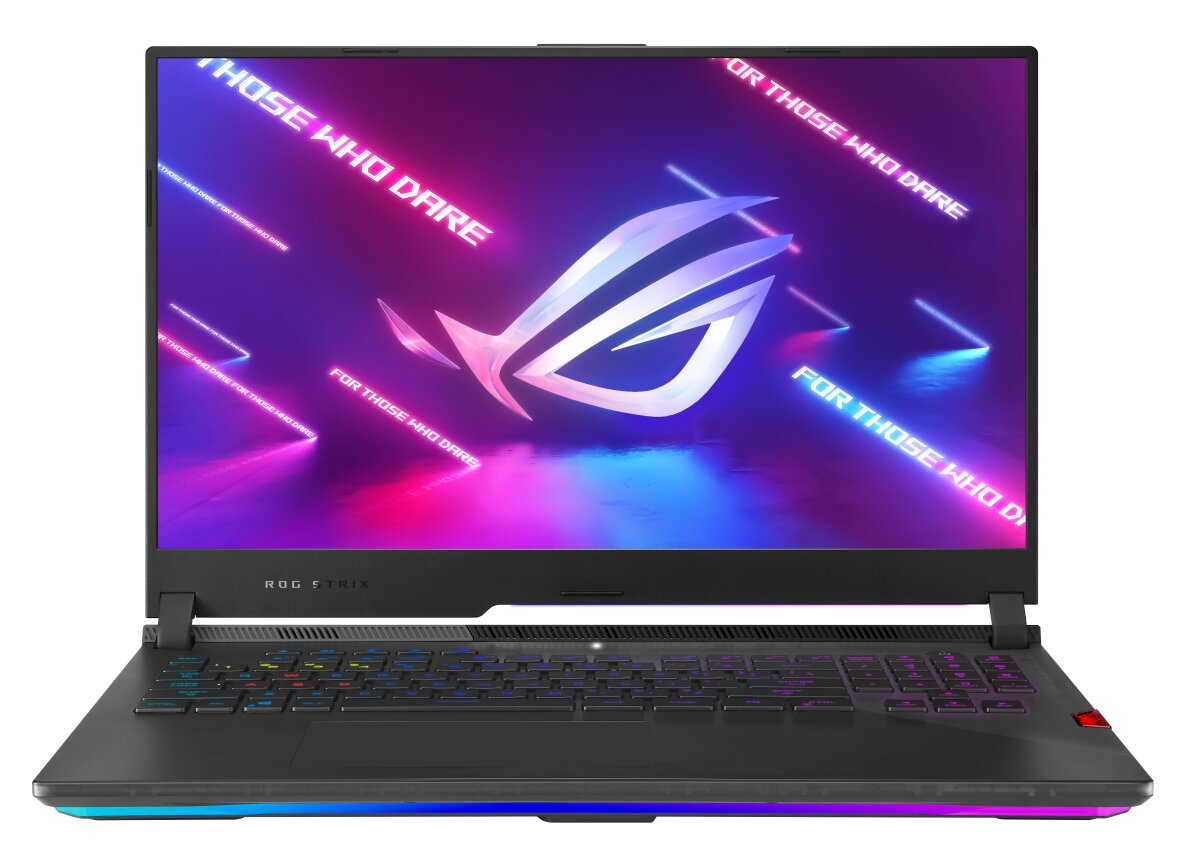
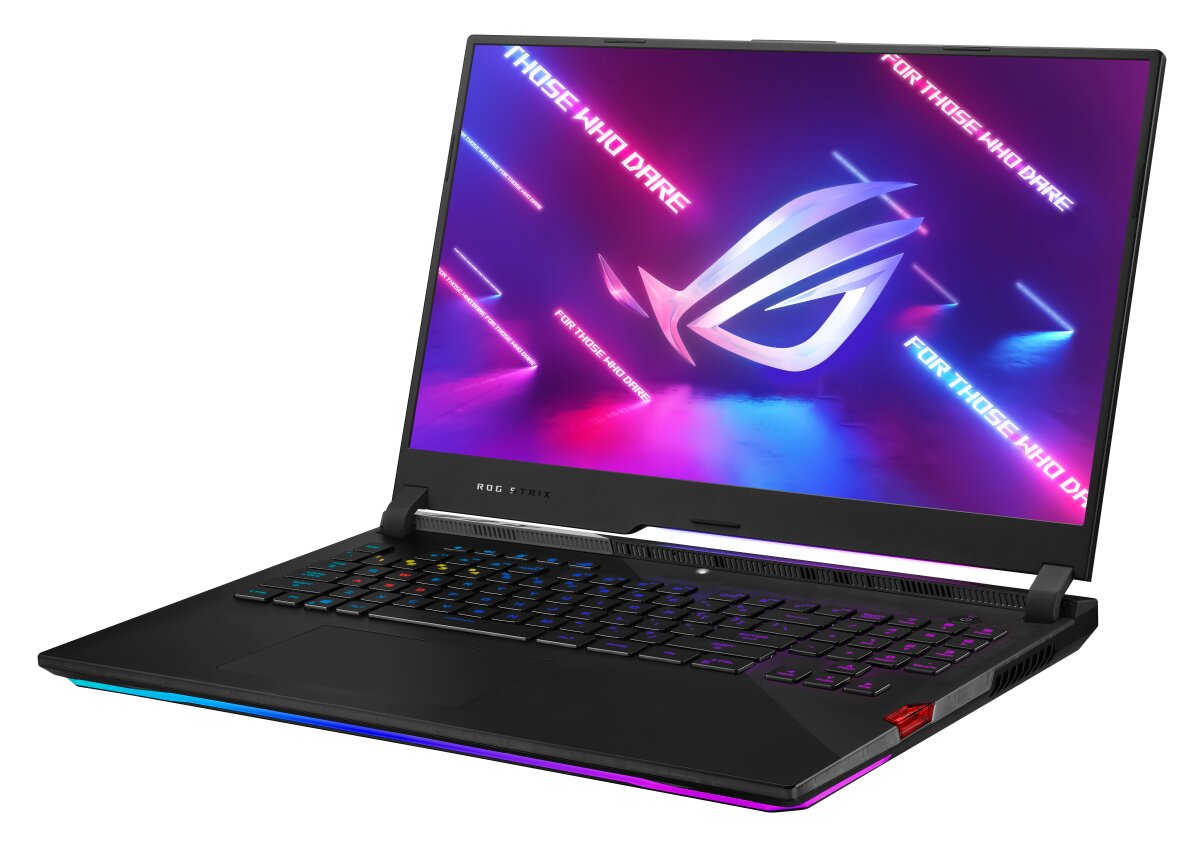
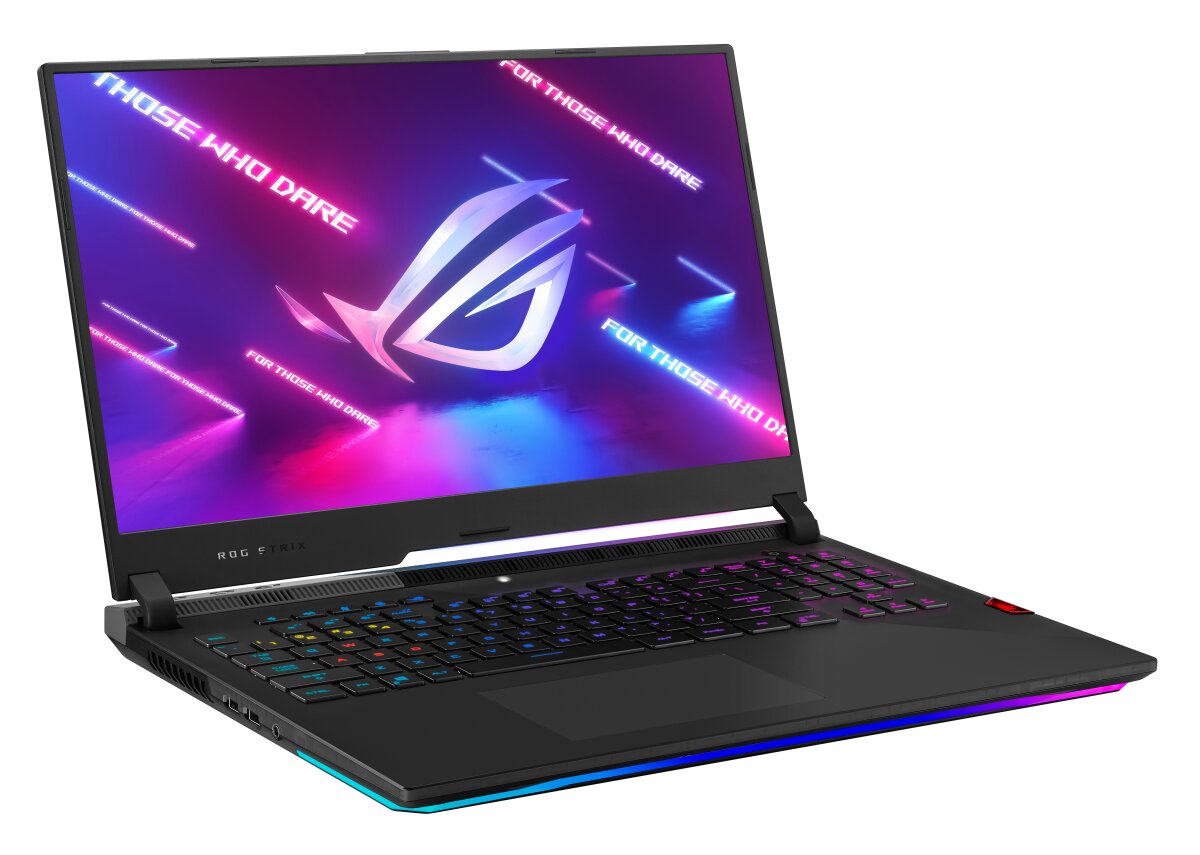
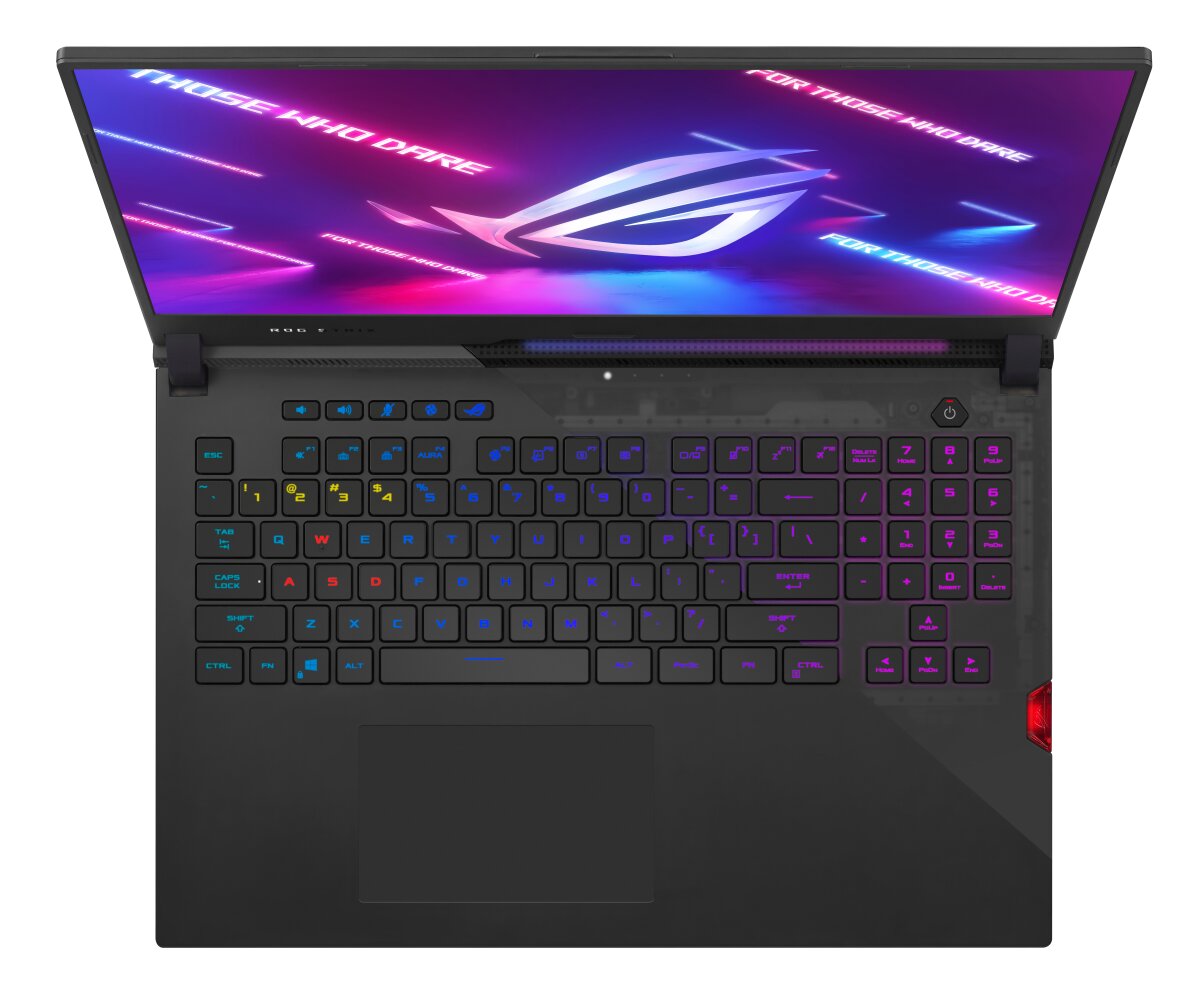
The ASUS ROG Strix SCAR 17 model G733QM-HG025T features DDR4-SDRAM memory with two SO-DIMM slots supporting maximum capacity of 64 GB. The laptop specifications include DDR4 memory operating at 3200 MHz frequency. Compatible RAM upgrades utilize the SO-DIMM form factor. The machine accommodates memory expansion through the two available slots, allowing for significant capacity increases from the factory configuration. Specifications indicate SO-DIMM compatibility for all memory upgrade configurations.
Memory Upgrade Specifications
| Specification | Value |
|---|---|
| Memory slots | 2x SO-DIMM |
| Form factor | SO-DIMM |
| Memory type | DDR4-SDRAM |
| Frequency | 3200 MHz |
| Maximum RAM | 64 GB |
| Voltage | 1.2V |
| Number of pins | 260-pin |
| Interface | PC4 |
| PC Speed Rating | PC4-3200 (PC4-25600) |
| Bandwidth | 25.6 GB/s |
| Laptop Release date | 03 November 2021 |
Additional Notes
- DDR4-SDRAM operating at 3200 MHz represents a matched pairing with 12th-generation Intel processors in the ASUS ROG G733QM-HG025T, eliminating bandwidth bottlenecks under typical workloads; however, memory speed does not scale beyond this frequency without manual BIOS intervention and potential warranty implications.
- The 2 SO-DIMM slot configuration permits only 2 upgrade paths: replacement of a single module or simultaneous replacement of both modules; mixed-capacity configurations require both DIMMs to operate at the speed of the slower module, effectively capping performance to the baseline installed memory's rated frequency.
- 64 GB maximum capacity addresses memory-intensive workloads such as video rendering, 3D modeling, and virtual machine hosting; however, thermal constraints in gaming laptop chassis may cause throttling if both SO-DIMM slots are populated with high-density modules, as cooling airflow around DIMM areas becomes restricted.
- SO-DIMM physical form factor mandates that only laptop-grade memory modules will fit; desktop DDR4 UDIMM modules cannot be installed regardless of speed or capacity matching, eliminating cross-platform memory inventory reuse.
- Upgrading beyond the currently installed configuration requires removal of the bottom panel; no hot-swappable memory bays exist, meaning the system must be powered down, discharged, and allowed to reach ambient temperature before safe DIMM extraction to prevent electrostatic damage to onboard components.
- Mixing branded memory modules from different manufacturers within the 2-slot configuration creates compatibility uncertainty; single-manufacturer paired kits rated for 3200 MHz operation minimize stability risk and preserve warranty eligibility under most manufacturer terms.