ASUS ROG G733QR-HG001T RAM upgrade specifications
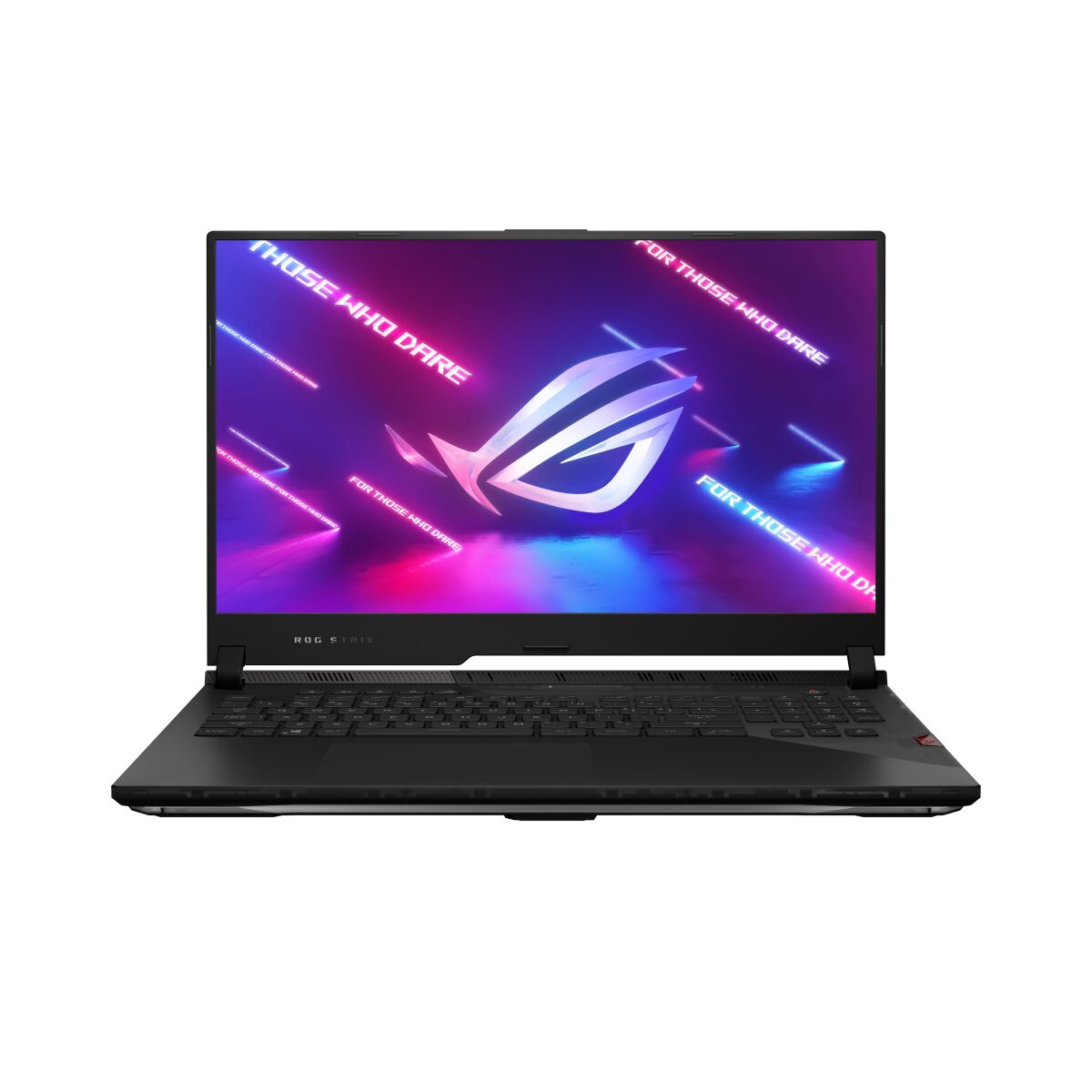
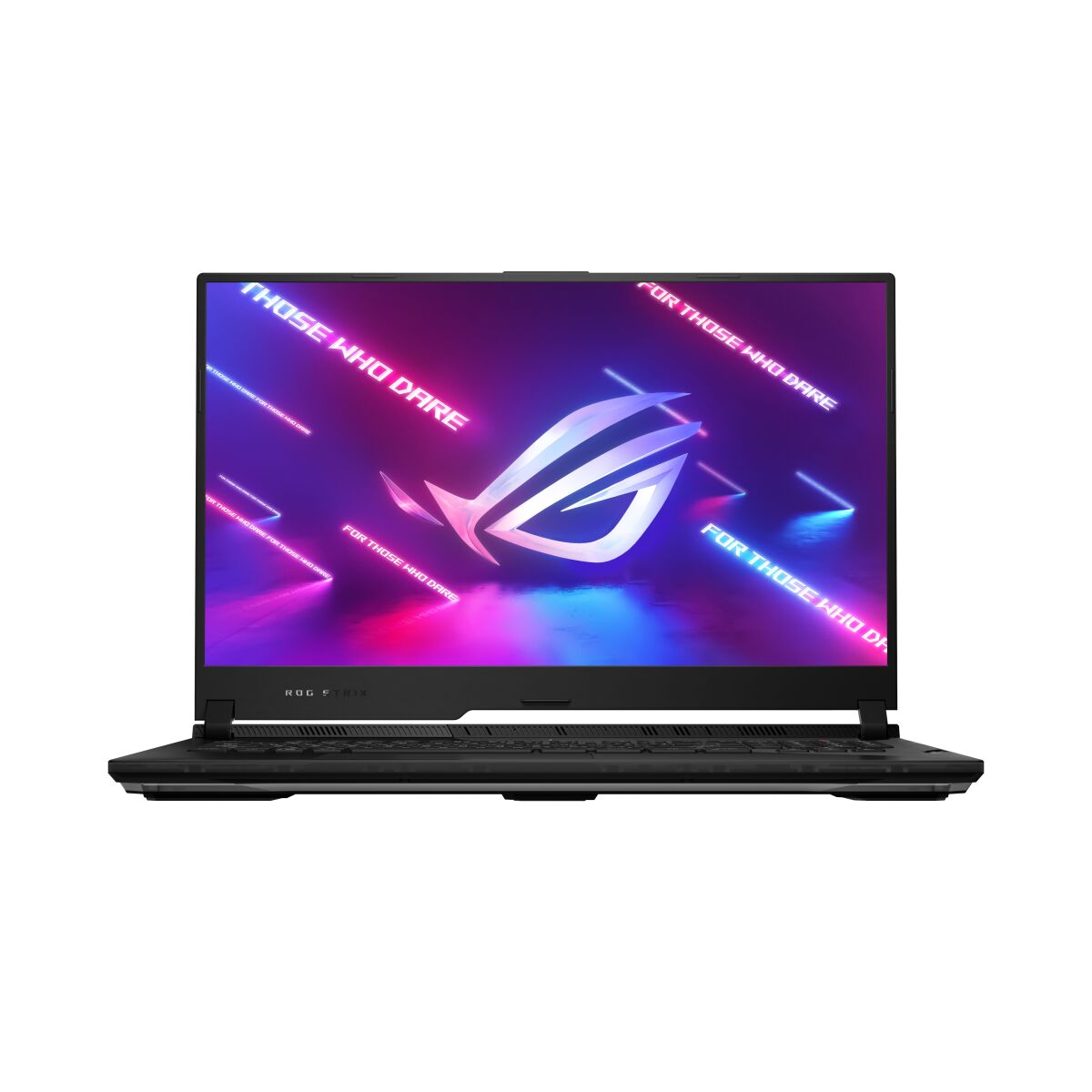
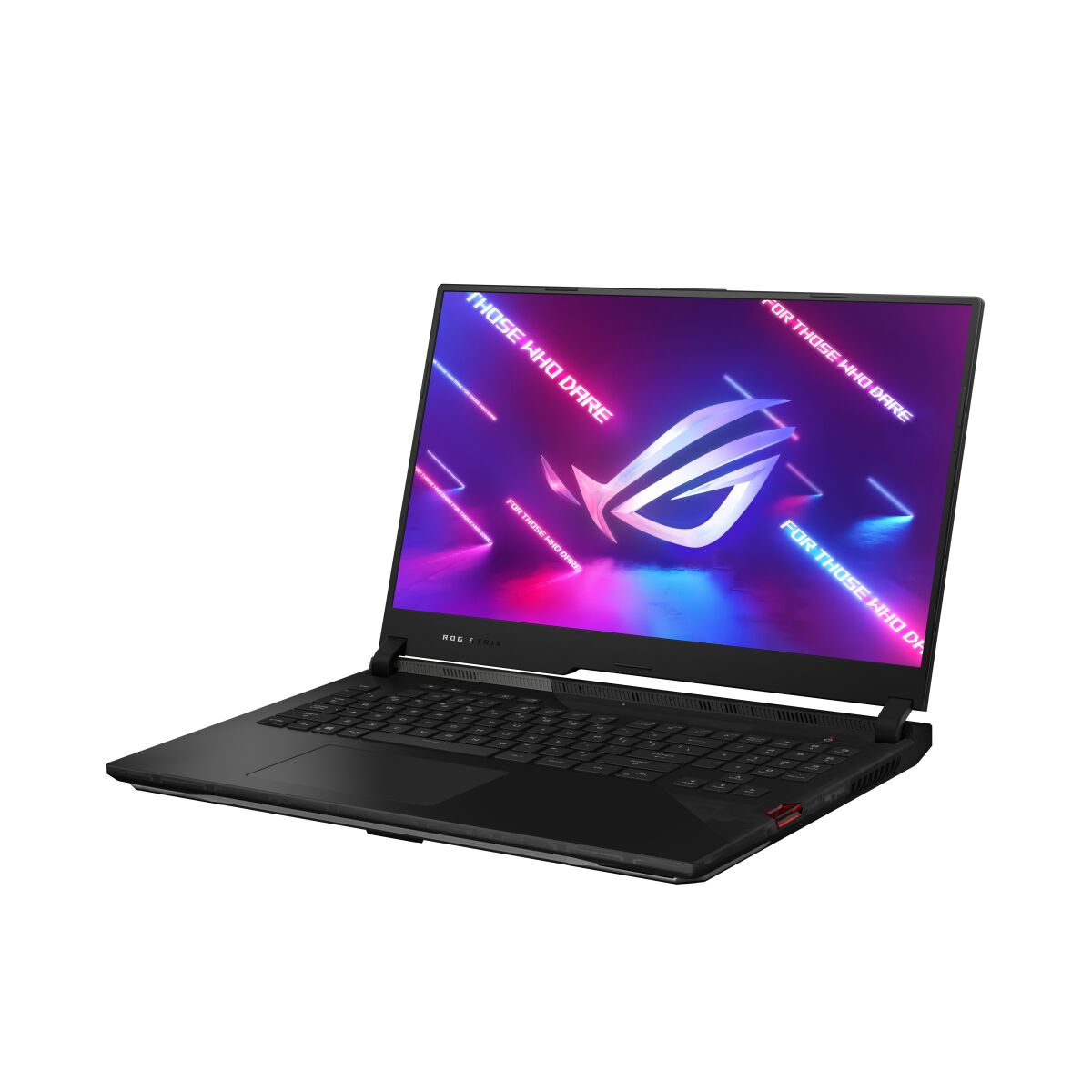
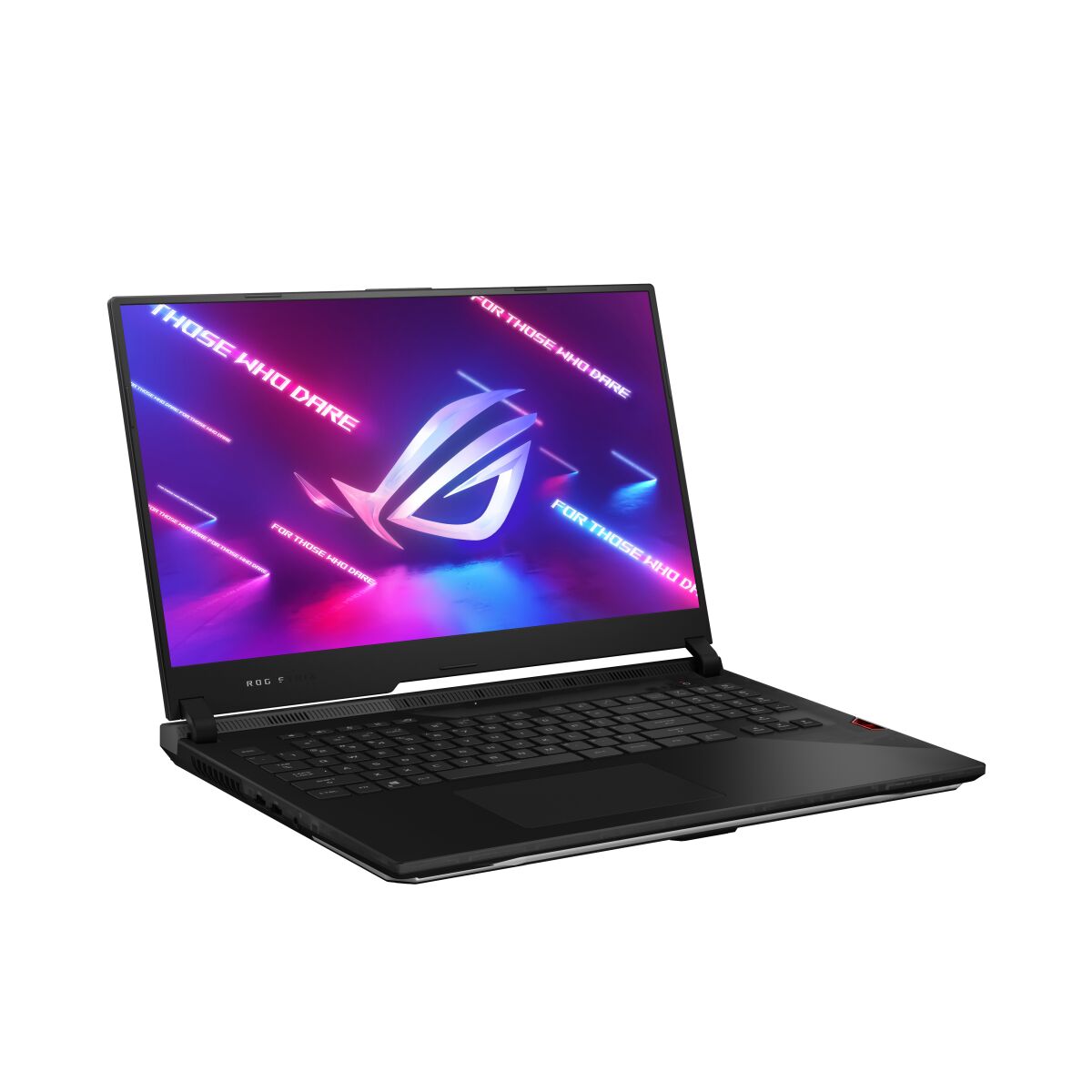
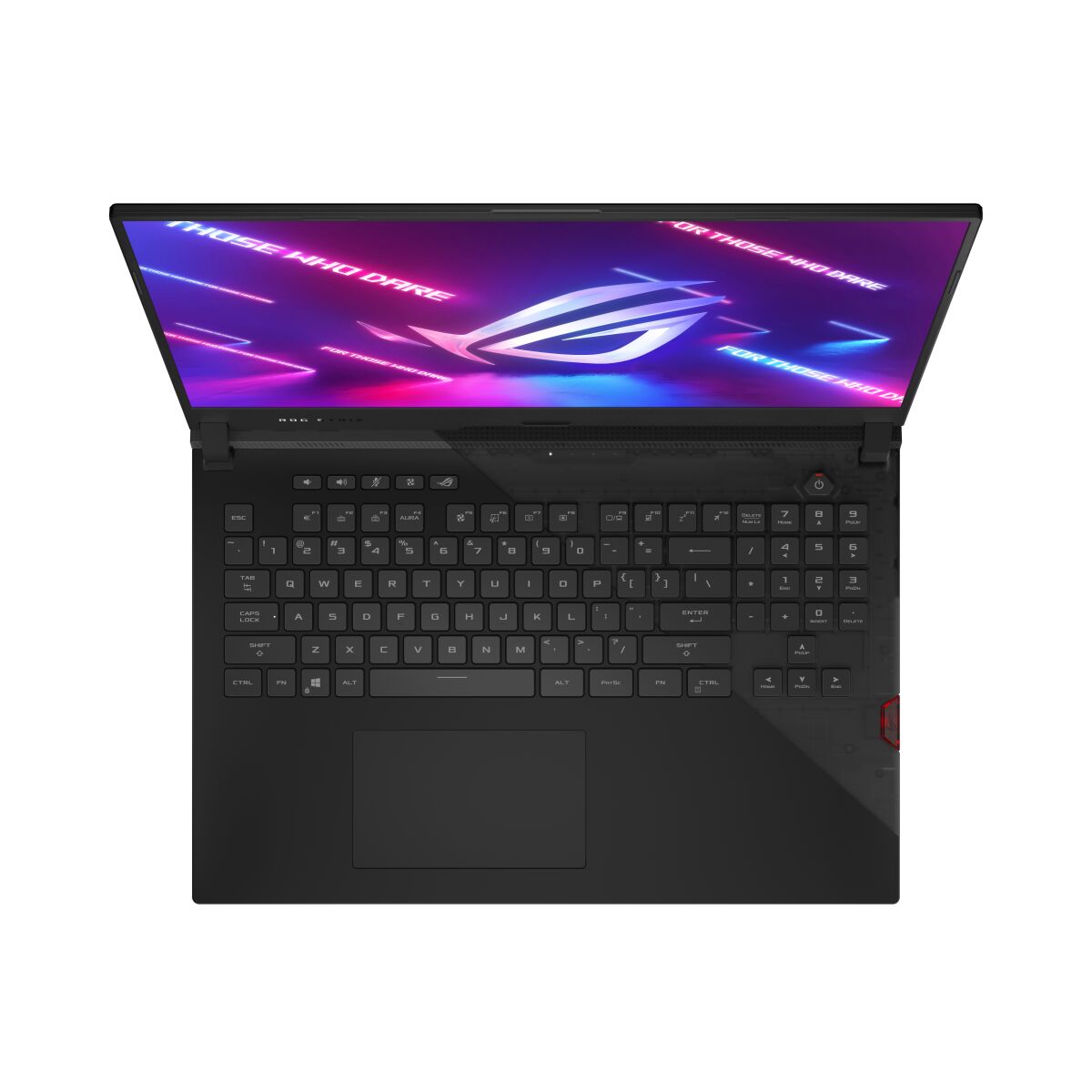
ASUS ROG Strix SCAR 17 G733QR-HG001T laptop features dual SO-DIMM slots supporting DDR4-SDRAM memory upgrade specifications. Maximum RAM capacity reaches 64 GB with compatible modules operating at 3200 MHz frequency. Upgrade path allows installation of additional DDR4 memory in available slots to enhance system performance. Specifications confirm SO-DIMM form factor compatibility for memory expansion on this gaming laptop model.
Memory Upgrade Specifications
| Specification | Value |
|---|---|
| Memory slots | 2x SO-DIMM |
| Form factor | SO-DIMM |
| Memory type | DDR4-SDRAM |
| Frequency | 3200 MHz |
| Maximum RAM | 64 GB |
| Voltage | 1.2V |
| Number of pins | 260-pin |
| Interface | PC4 |
| PC Speed Rating | PC4-3200 (PC4-25600) |
| Bandwidth | 25.6 GB/s |
| Laptop Release date | 21 January 2021 |
Additional Notes
- The ASUS ROG G733QR-HG001T utilizes SO-DIMM modules rather than standard DIMM, requiring laptop-specific memory purchases that typically cost 10 to 15 percent more than desktop equivalents at equivalent capacities and speeds.
- DDR4-SDRAM architecture limits this system to DDR4 generation modules exclusively, preventing installation of newer DDR5 memory regardless of speed rating or capacity specifications.
- The 3200 MHz frequency specification represents the maximum validated speed, meaning modules rated at 3600 MHz or higher will automatically downclock to 3200 MHz without performance benefit.
- Dual SO-DIMM slot configuration enables dual-channel memory operation, which doubles theoretical bandwidth from 25.6 GB/s in single-channel to 51.2 GB/s when populated with matched capacity modules.
- Reaching the 64 GB maximum capacity requires two 32 GB SO-DIMM modules, which remained relatively expensive compared to smaller capacity options as of typical market availability periods for this hardware generation.
- Memory timing specifications beyond frequency are not listed, meaning compatibility depends on modules conforming to JEDEC standard timings at 3200 MHz or manufacturer-validated XMP profiles that operate within thermal and voltage tolerances.
- SO-DIMM installation in gaming laptops often requires bottom panel removal and potential warranty seal breakage, depending on regional warranty terms and service policies.
- The processor memory controller determines actual supported capacity and speed, meaning theoretical 64 GB maximum depends on CPU compatibility rather than just motherboard design.
- Mixed capacity configurations remain functional but sacrifice optimal dual-channel performance benefits when asymmetric module sizes are installed across the two slots.
- Operating temperature constraints in laptop chassis require memory modules to function within tighter thermal envelopes than desktop counterparts, making low-voltage or standard-voltage compliance critical for stability.