ASUS ROG G733QR-HG041T RAM upgrade specifications
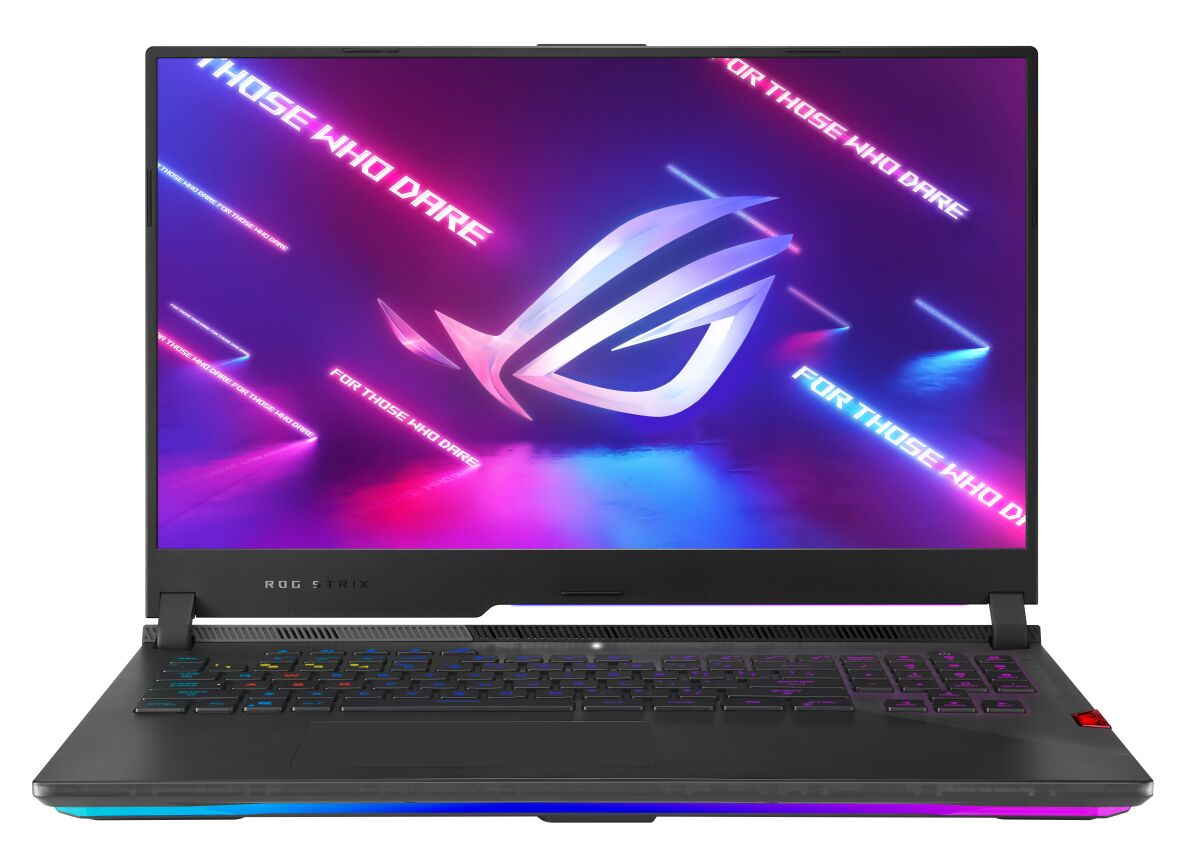
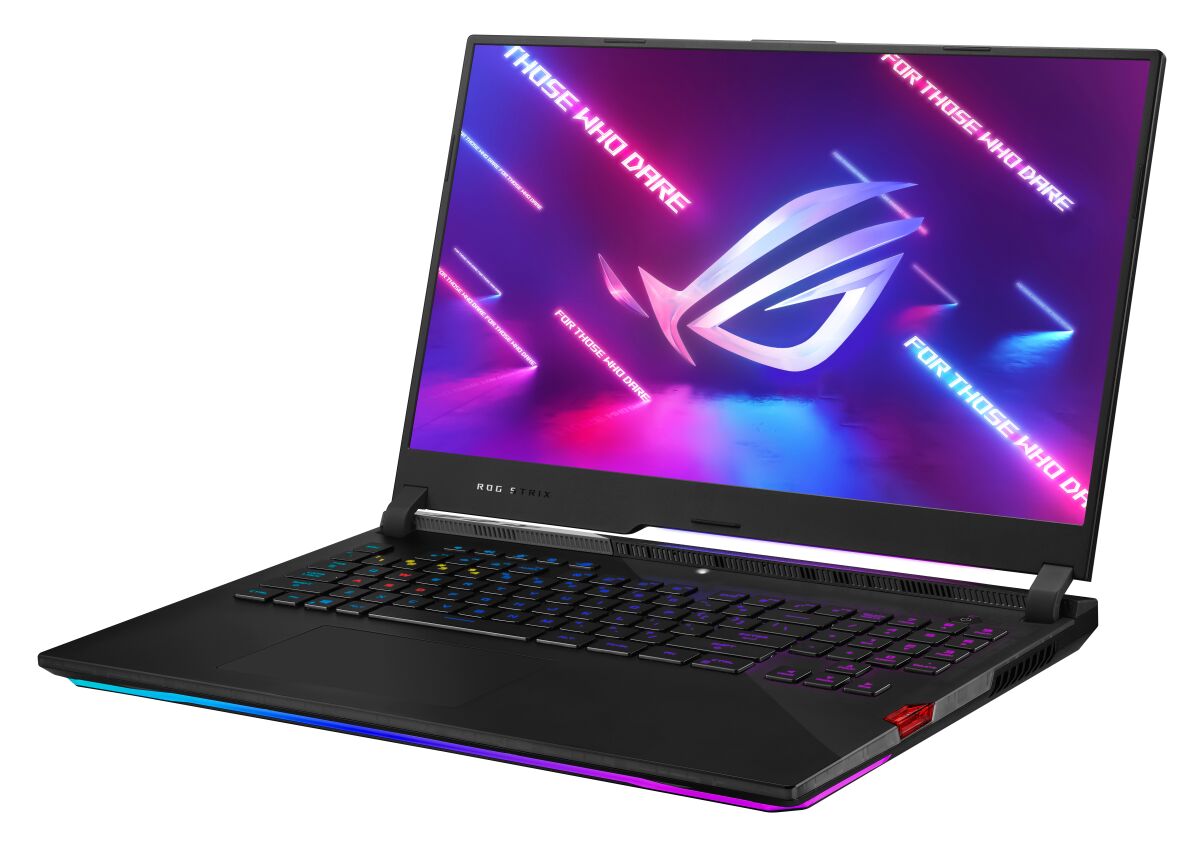
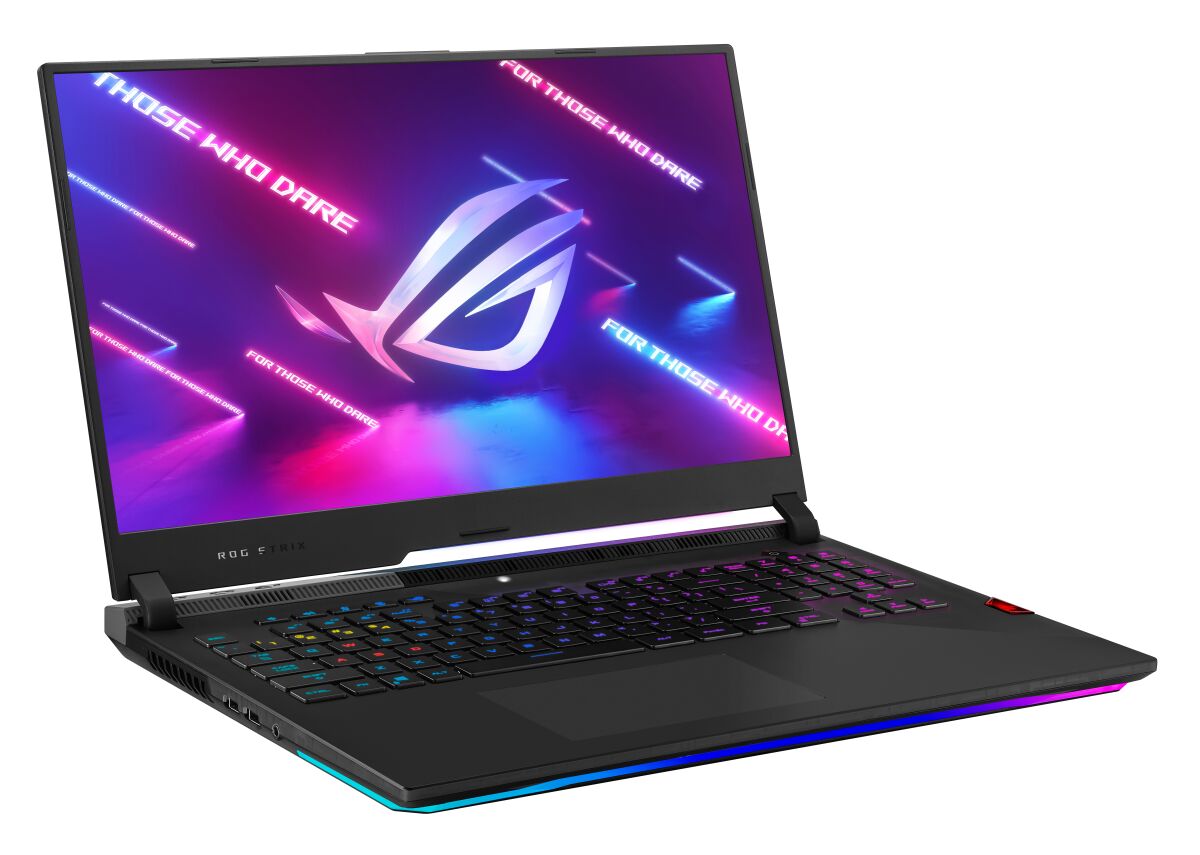
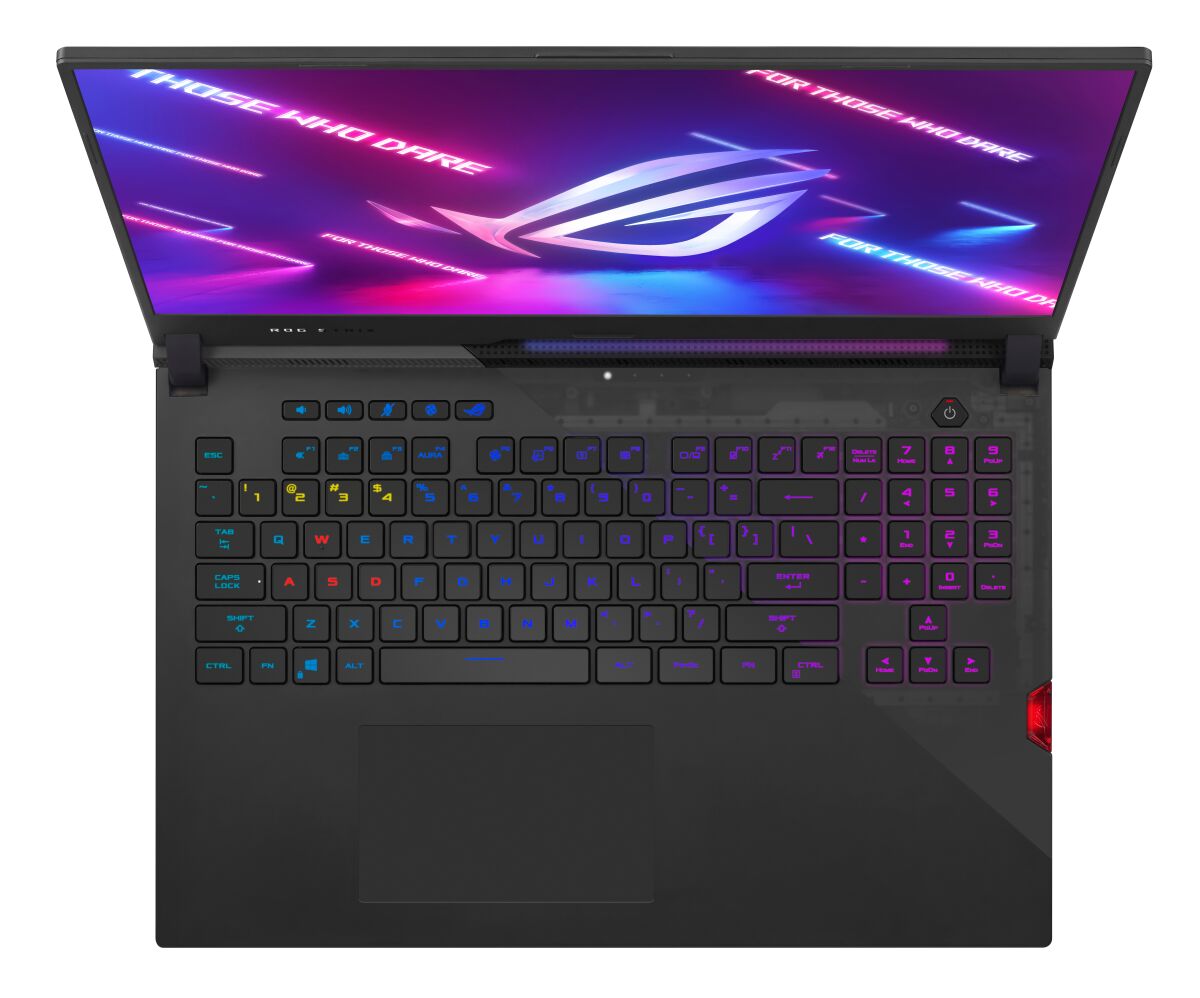
The ASUS ROG Strix SCAR 17 G733QR-HG041T laptop features DDR4-SDRAM memory with 2x SO-DIMM slots, supporting maximum RAM capacity of 64 GB. Memory specifications include 3200 MHz frequency with SO-DIMM form factor. Compatible upgrade modules must match DDR4 specifications and SO-DIMM configuration for proper functionality with this gaming laptop model.
Memory Upgrade Specifications
| Specification | Value |
|---|---|
| Memory slots | 2x SO-DIMM |
| Form factor | SO-DIMM |
| Memory type | DDR4-SDRAM |
| Frequency | 3200 MHz |
| Maximum RAM | 64 GB |
| Voltage | 1.2V |
| Number of pins | 260-pin |
| Interface | PC4 |
| PC Speed Rating | PC4-3200 (PC4-25600) |
| Bandwidth | 25.6 GB/s |
| Laptop Release date | 04 April 2021 |
Additional Notes
- The ASUS ROG G733QR-HG041T supports dual-channel memory architecture through its 2 SO-DIMM slots, enabling theoretical bandwidth of up to 51.2 GB/s when populated with matched modules at 3200 MHz.
- Achieving the 64 GB ceiling requires 2 modules of 32 GB capacity each, which may limit availability compared to more common 16 GB density modules.
- DDR4-3200 represents the maximum validated frequency for this platform, meaning modules rated at higher speeds will downclock to 3200 MHz without performance benefit.
- SO-DIMM form factor restricts physical access compared to desktop DIMM slots, typically requiring bottom panel removal and potential warranty seal concerns during installation.
- Single-channel configurations using only 1 populated slot will halve memory bandwidth, creating potential bottlenecks in bandwidth-sensitive workloads despite adequate capacity.
- Mixing modules with different timings or densities may force the memory controller to operate at the lowest common specifications, reducing effective performance below rated speeds.
- The 3200 MHz native speed operates within JEDEC standards for DDR4, eliminating the need for XMP profile activation that could introduce stability variables.
- Both slots must remain accessible for future upgrades, meaning configurations below 64 GB should consider balanced capacities across slots rather than maxing out a single slot first.
- Thermal constraints in compact laptop chassis may affect sustained memory performance under extended high-utilization scenarios, despite meeting rated specifications.
- Non-ECC memory architecture means no error correction capability exists, making module quality and voltage stability critical for data integrity during intensive operations.