ASUS ROG G834JY-N6079 RAM upgrade specifications
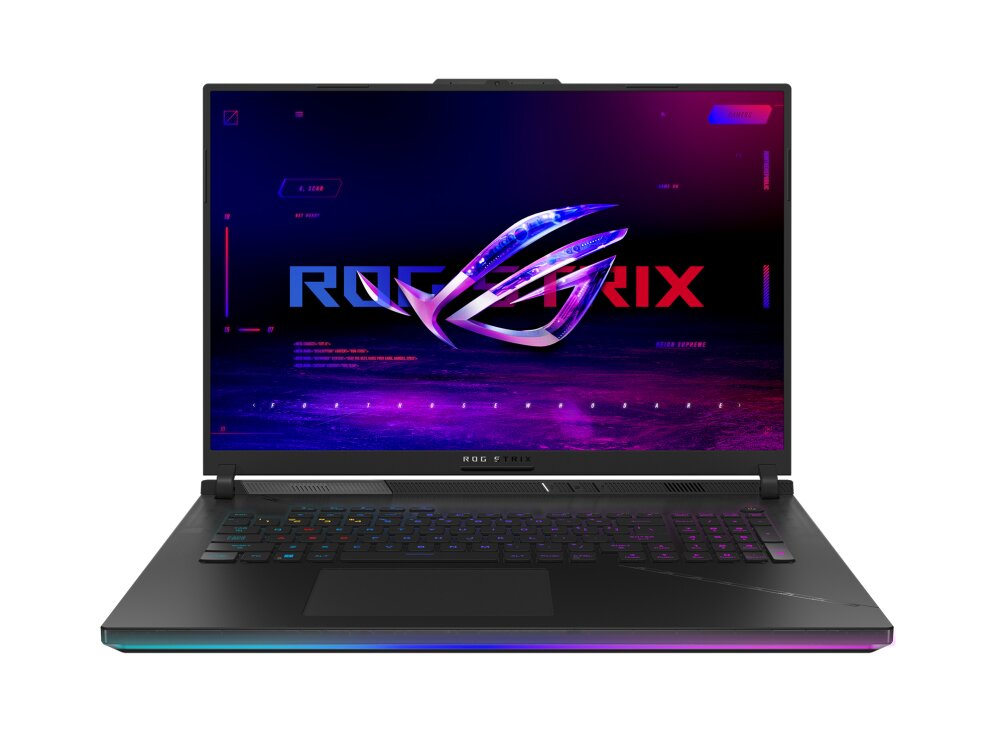
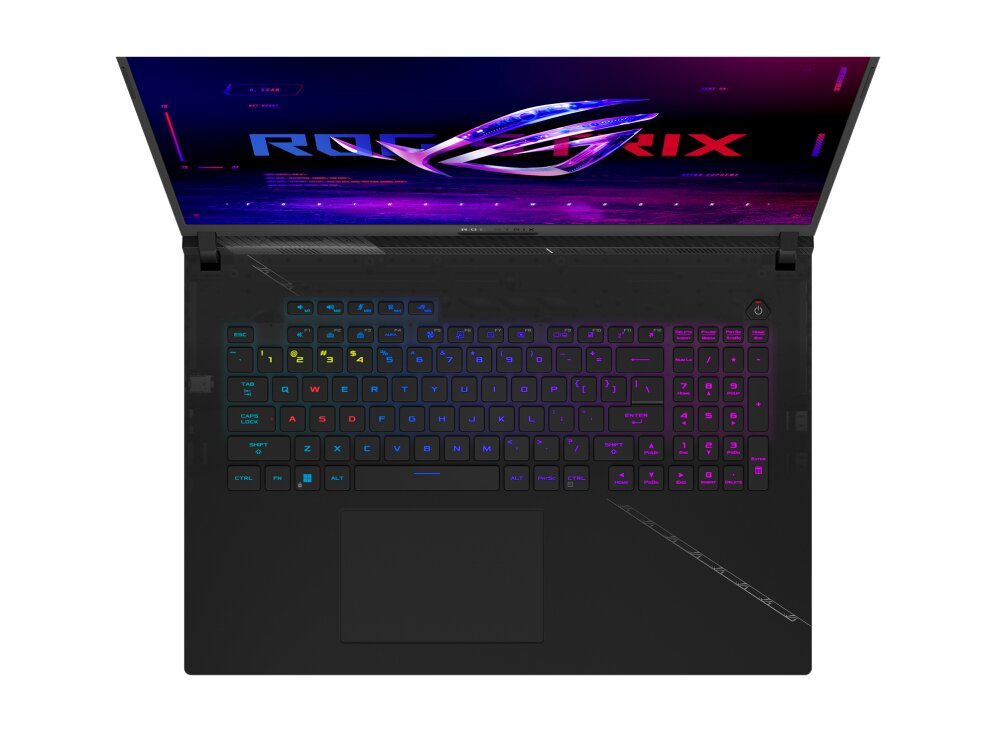
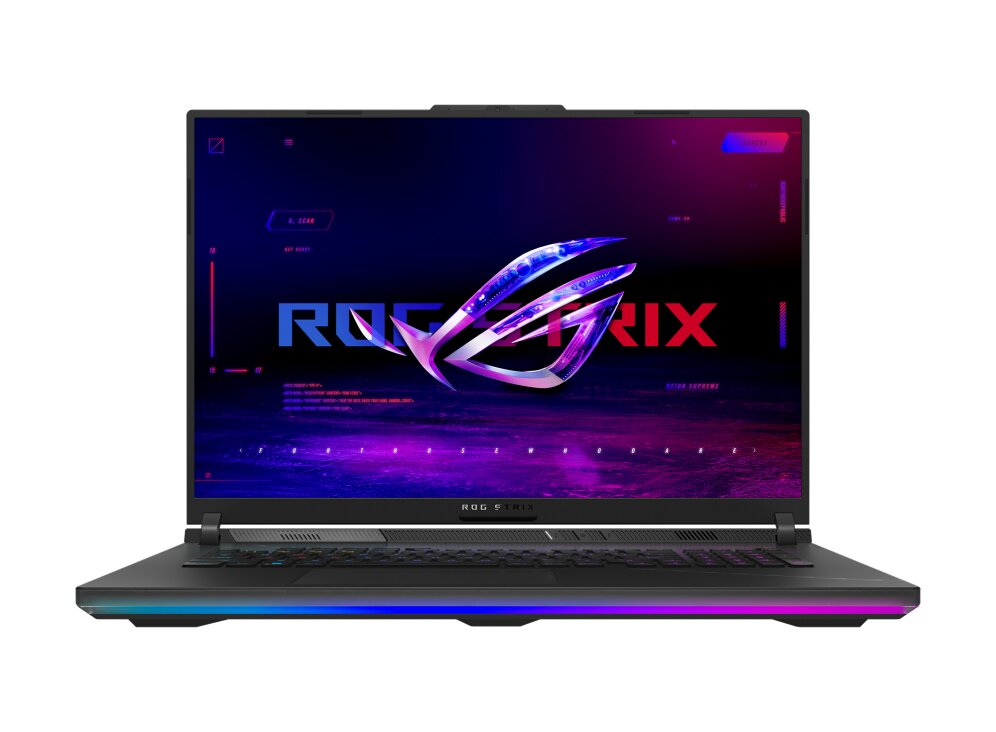
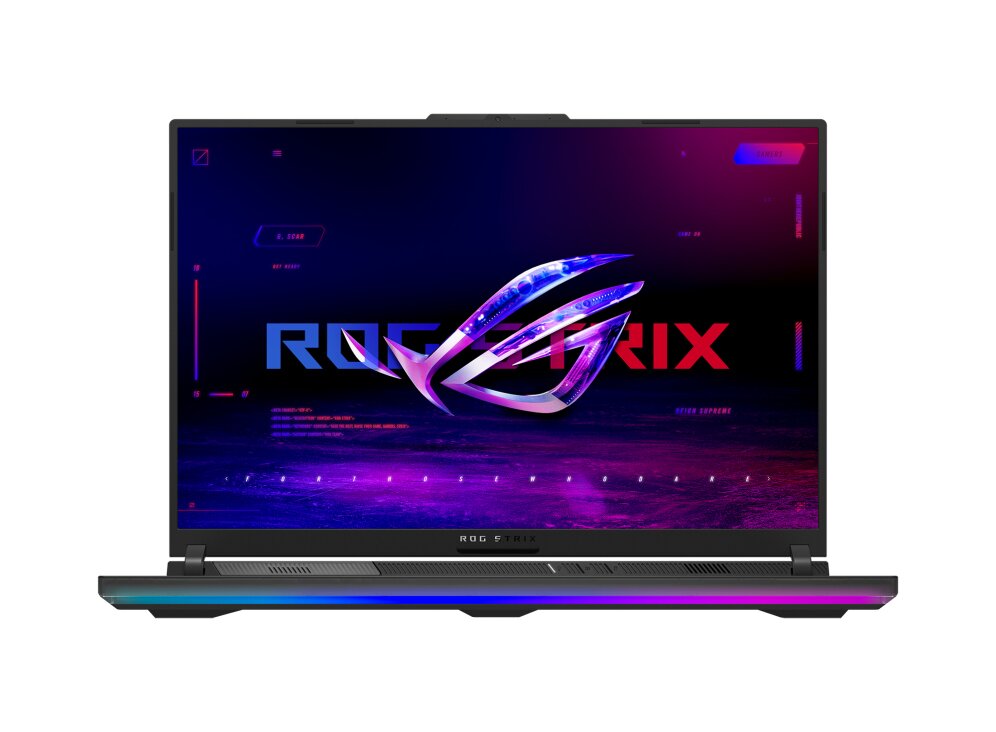
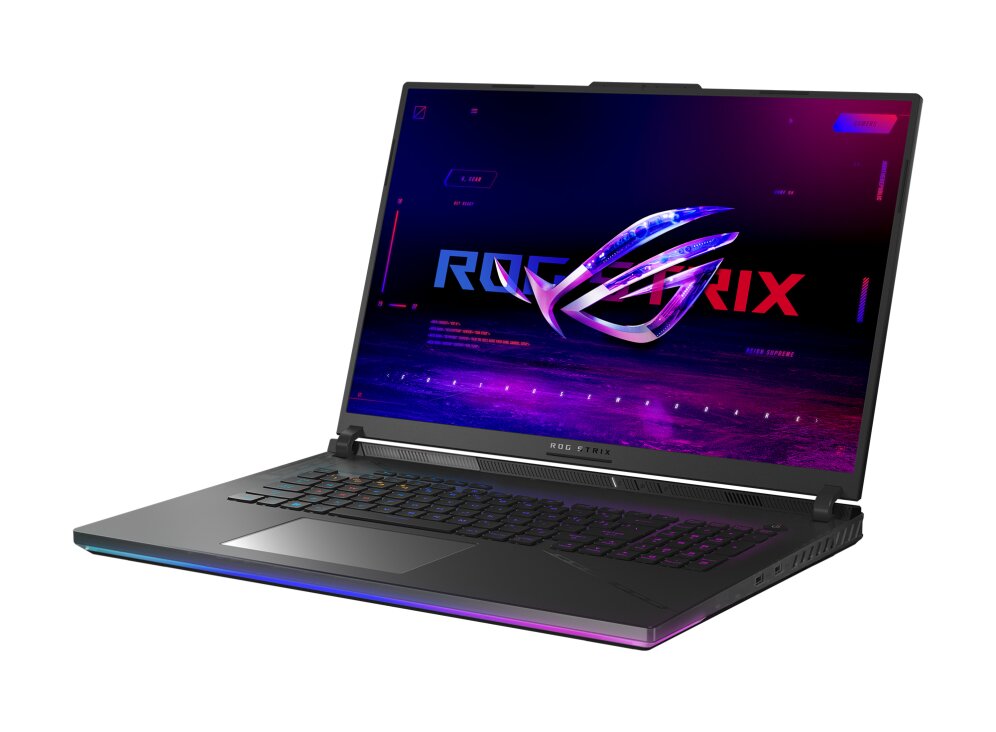
ASUS ROG Strix SCAR 18 model G834JY-N6079 features DDR5-SDRAM memory upgrade specifications with 2x SO-DIMM slots supporting maximum capacity of 64 GB. Compatible memory operates at 4800 MHz frequency utilizing SO-DIMM form factor. Upgrade specifications enable enhanced multitasking and performance for gaming and professional applications on gaming laptop platform.
Memory Upgrade Specifications
| Specification | Value |
|---|---|
| Memory slots | 2x SO-DIMM |
| Form factor | SO-DIMM |
| Memory type | DDR5-SDRAM |
| Frequency | 4800 MHz |
| Maximum RAM | 64 GB |
| Voltage | 1.1V |
| Number of pins | 262-pin |
| Interface | PC5 |
| PC Speed Rating | PC5-4800 (PC5-38400) |
| Bandwidth | 38.4 GB/s |
| Laptop Release date | 25 March 2023 |
Additional Notes
- The ASUS ROG G834JY-N6079 accepts only SO-DIMM modules, which are physically incompatible with standard UDIMM desktop RAM; laptop memory form factor is non-negotiable and cannot be adapted with mechanical converters.
- DDR5-4800 MHz operation requires memory modules explicitly rated for 4800 MHz or higher; using DDR5 sticks rated below this frequency will either fail to initialize or default to lower JEDEC speeds, negating the platform's memory bandwidth advantage.
- The 2-slot architecture means both SO-DIMM positions must be populated to achieve the 64 GB maximum; single-channel operation results from occupying only 1 slot, reducing memory bandwidth by approximately 50 percent and increasing latency for CPU-memory transactions.
- DDR5 modules operate at higher voltages and power draw compared to DDR4; heat dissipation becomes relevant during sustained workloads, making modules with thermal spreaders preferable to bare-die designs in this platform.
- Warranty coverage typically restricts RAM upgrades to components sourced from ASUS-approved lists; purchasing third-party SO-DIMM modules may void memory-related support, even if they meet electrical specifications.
- The 2-slot constraint prevents incremental upgrades; transitioning from 32 GB to 64 GB requires replacing both existing modules rather than adding a single new stick, increasing recycling costs.