ASUS ROG G834JYR-XS97 RAM upgrade specifications
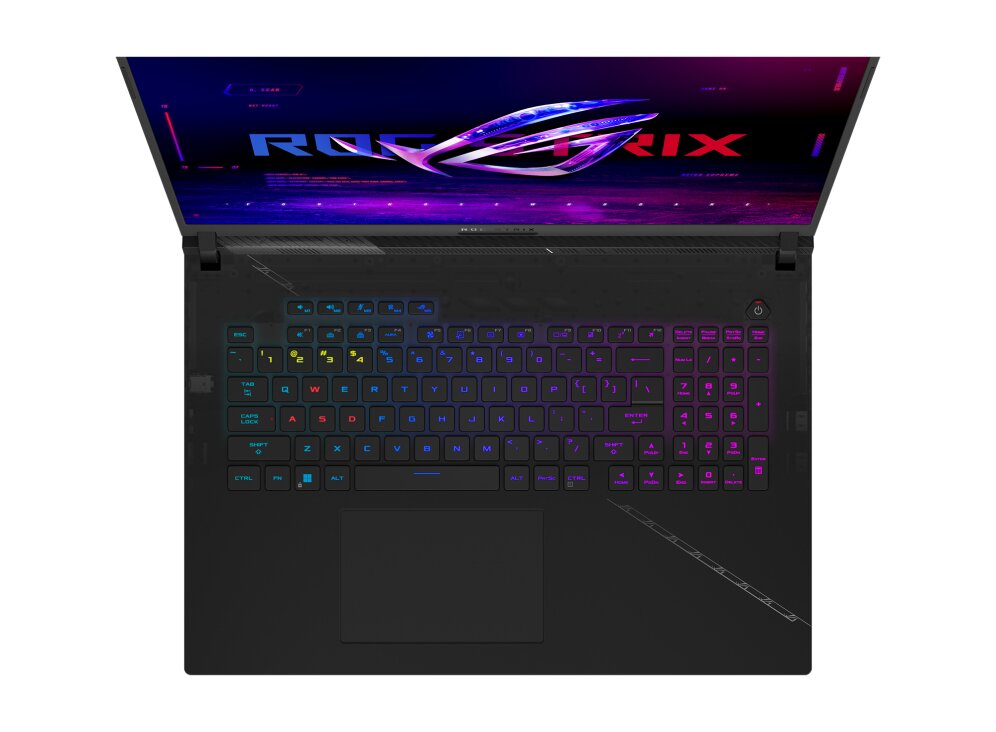
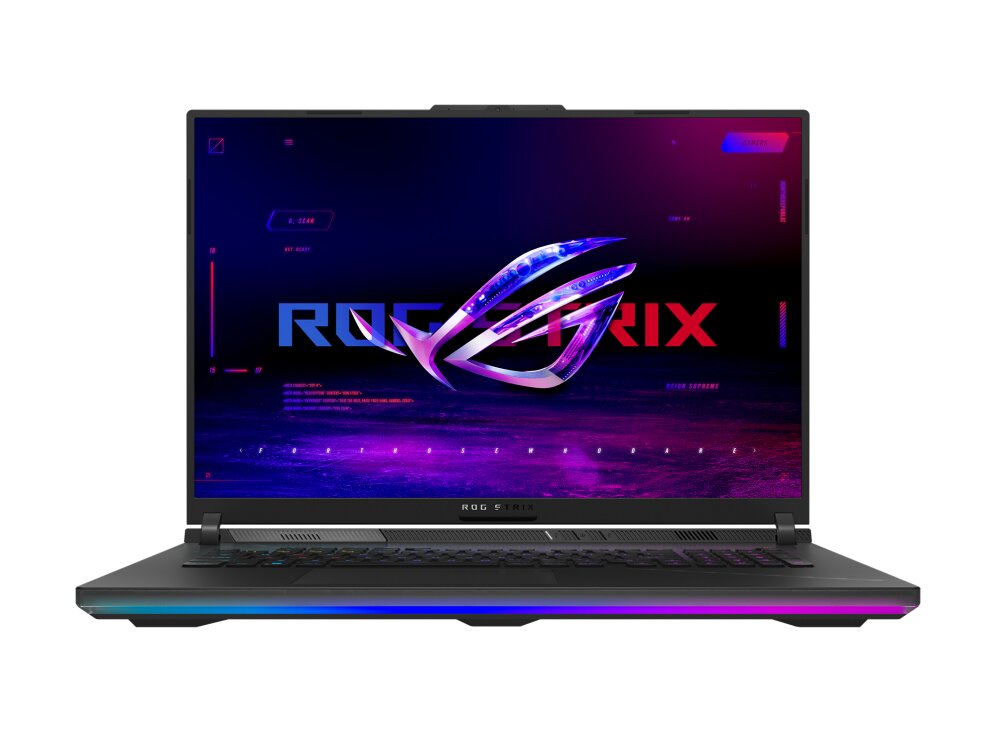
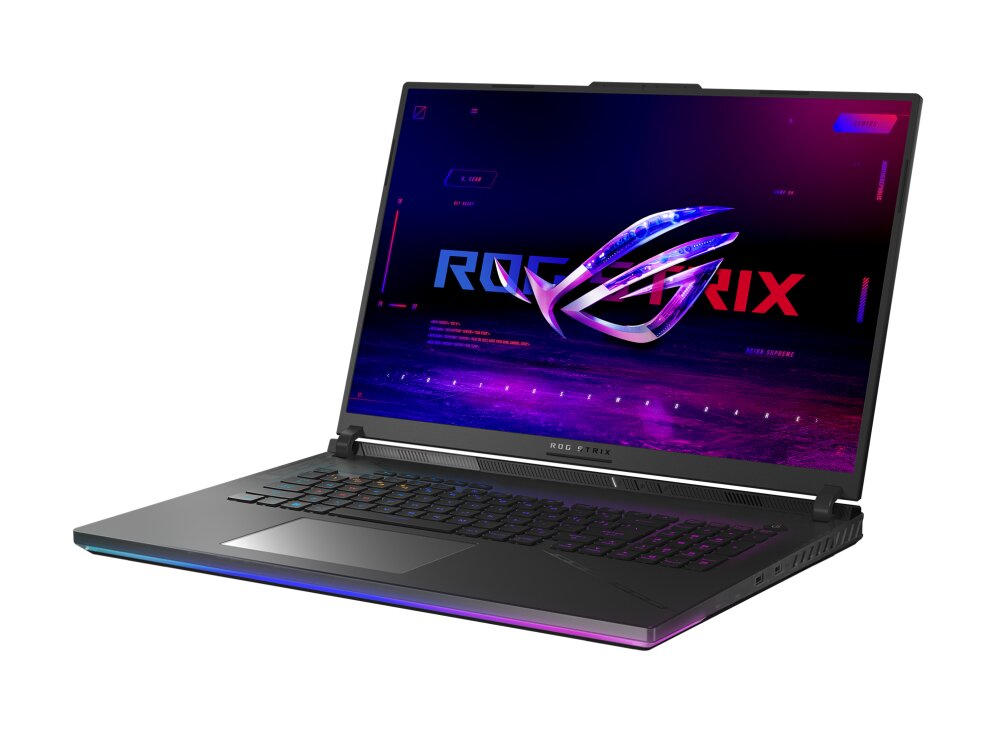
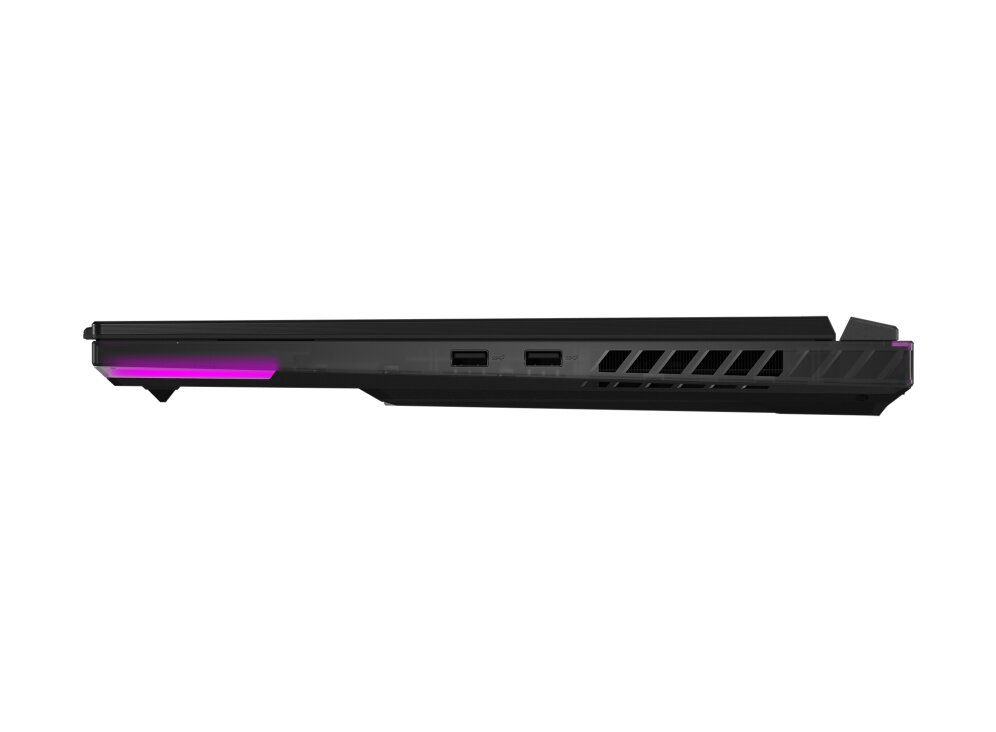
The ASUS ROG Strix SCAR 18 G834JYR-XS97 features DDR5-SDRAM memory configuration with two SO-DIMM slots supporting maximum capacity of 64 GB. Compatible RAM upgrades operate at 5600 MHz frequency. The laptop's memory specifications allow for modular SO-DIMM modules, enabling users to upgrade from factory-installed configuration to the maximum supported capacity. Specifications indicate the device accommodates standard DDR5 memory modules in dual-slot architecture, facilitating memory expansion without motherboard limitations.
Memory Upgrade Specifications
| Specification | Value |
|---|---|
| Memory slots | 2x SO-DIMM |
| Form factor | SO-DIMM |
| Memory type | DDR5-SDRAM |
| Frequency | 5600 MHz |
| Maximum RAM | 64 GB |
| Voltage | 1.1V |
| Number of pins | 262-pin |
| Interface | PC5 |
| PC Speed Rating | PC5-5600 (PC5-44800) |
| Bandwidth | 44.8 GB/s |
Additional Notes
- The presence of 2 SO-DIMM slots in the ASUS ROG G834JYR-XS97 confirms the absence of soldered memory, allowing for total replacement of the factory modules rather than partial upgrades.
- Dual-channel memory architecture requires matching module capacities and timings to maintain optimal data transfer rates and minimize latency.
- The 64 GB maximum threshold is determined by the internal firmware and processor memory controller rather than physical slot limitations.
- High frequency DDR5 modules generate significant thermal output during sustained workloads which necessitates reliance on the existing internal cooling solution for heat dissipation.
- Installing modules with speeds exceeding 5600 MHz will result in automatic downclocking to the motherboard BIOS limit to ensure system stability.
- Reaching the peak capacity necessitates the removal of all pre-installed hardware because no empty secondary slots exist for expansion.
- Voltage requirements for DDR5 are lower than previous generations which reduces the power draw from the battery during memory-intensive operations.
- The SO-DIMM form factor restricts component height and prevents the installation of desktop-class memory or modules featuring thick integrated heat spreaders.