ASUS ROG G835LW-SA038W RAM upgrade specifications
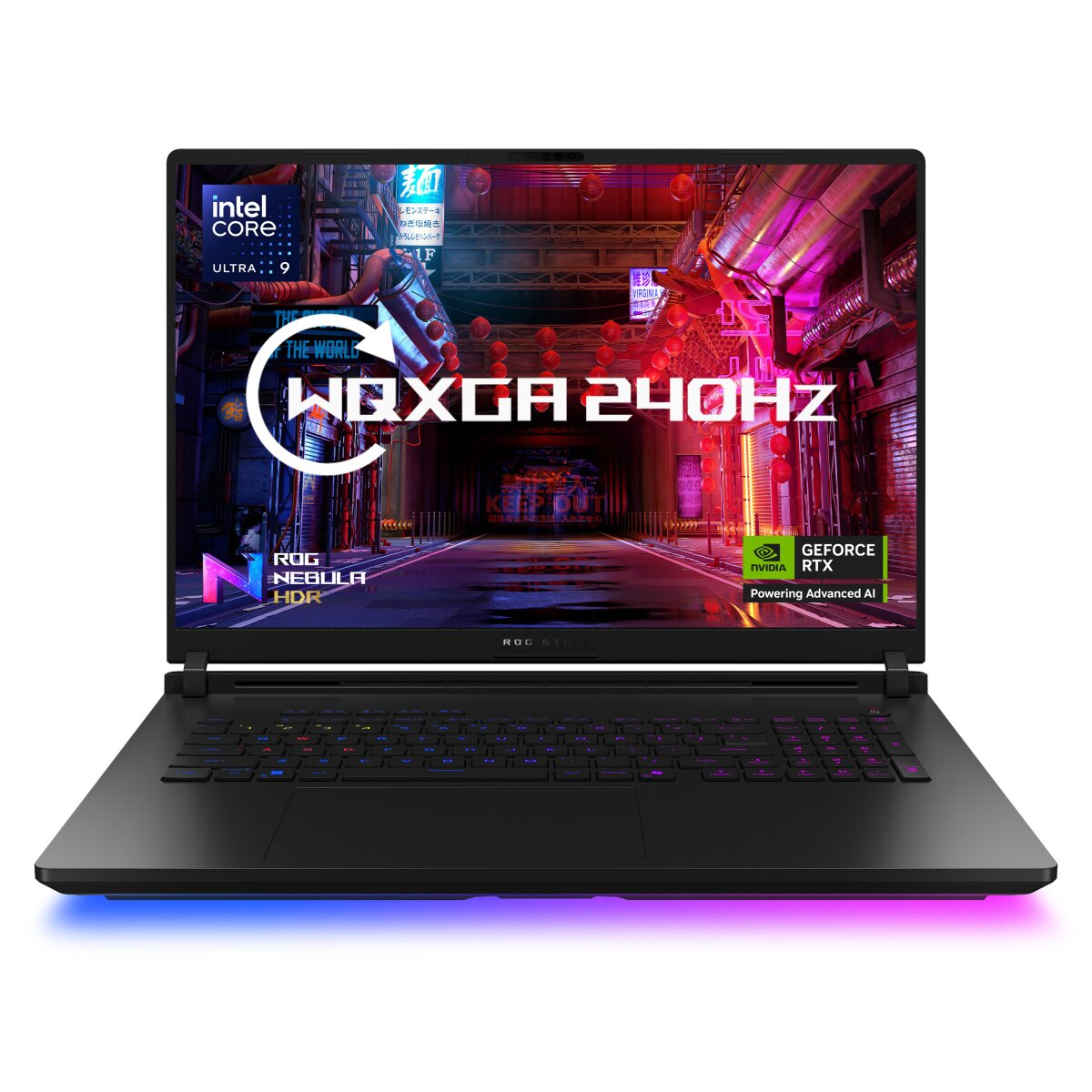



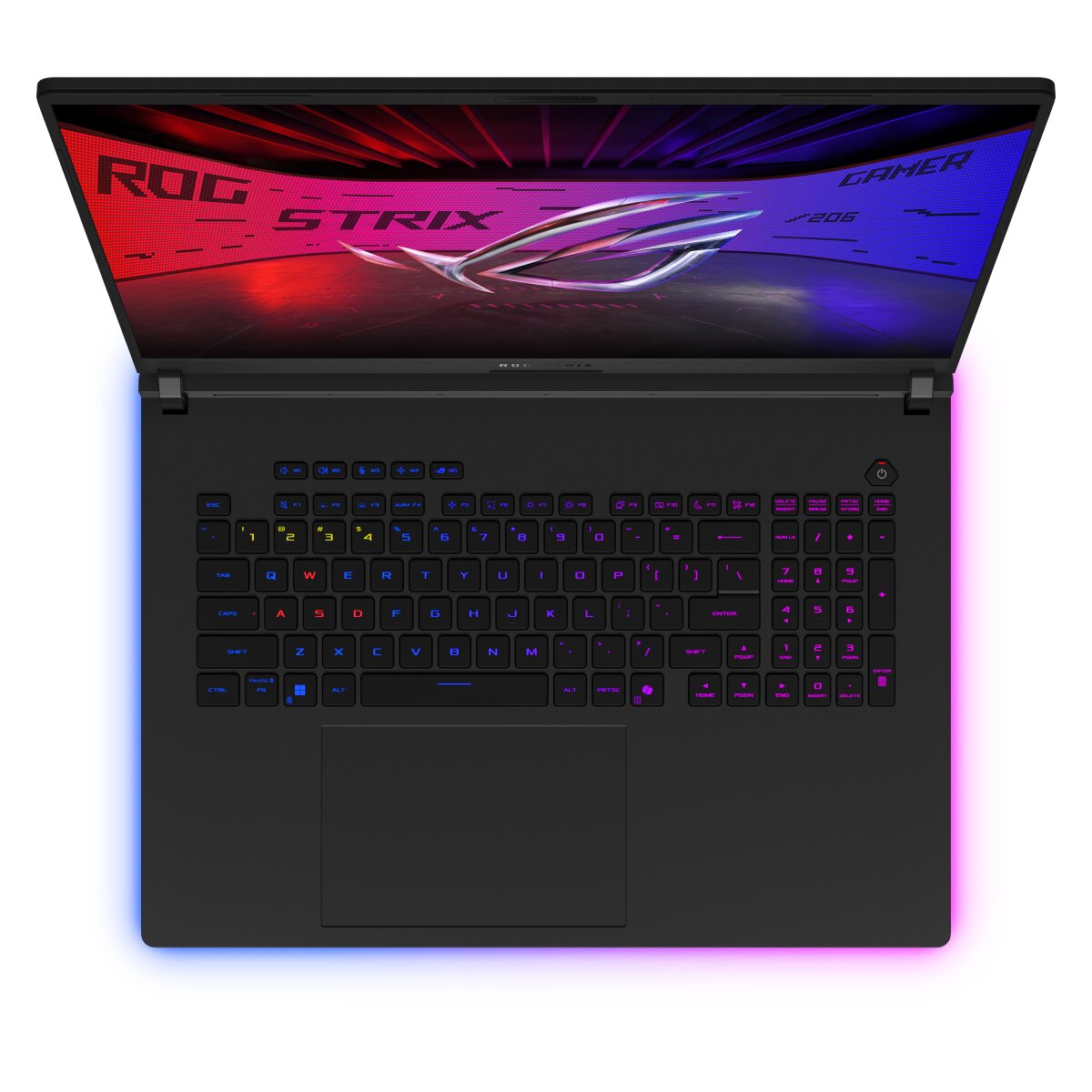
The ASUS ROG Strix SCAR 18 G835LW-SA038W laptop features two SO-DIMM memory slots supporting DDR5-SDRAM upgrades at 5600 MHz frequency. Maximum RAM capacity reaches 64 GB total. Compatible memory upgrades utilize the SO-DIMM form factor, enabling users to expand the system's memory specifications from factory-installed configurations to the maximum supported capacity of 64 GB.
Memory Upgrade Specifications
| Specification | Value |
|---|---|
| Memory slots | 2x SO-DIMM |
| Form factor | SO-DIMM |
| Memory type | DDR5-SDRAM |
| Frequency | 5600 MHz |
| Maximum RAM | 64 GB |
| Voltage | 1.1V |
| Number of pins | 262-pin |
| Interface | PC5 |
| PC Speed Rating | PC5-5600 (PC5-44800) |
| Bandwidth | 44.8 GB/s |
Additional Notes
- The DDR5-5600 specification indicates JEDEC standard timing compatibility, meaning non-XMP modules will function without BIOS configuration changes.
- The 64 GB ceiling suggests a memory controller limited to 32 GB per channel, preventing the use of future 48 GB or 64 GB single modules.
- SO-DIMM form factor modules measure 67.6 mm in length, requiring clearance verification if aftermarket cooling solutions occupy space above the memory bay.
- DDR5 architecture eliminates dual-channel kits at the module level since each SO-DIMM operates as two independent 32-bit channels through on-die ECC.
- The 5600 MHz frequency operates at 1.1V standard voltage, reducing thermal output compared to DDR4 equivalents but increasing sensitivity to voltage fluctuations during high-load scenarios.
- Mixed-capacity configurations (such as 16 GB plus 32 GB modules) will function but may prevent symmetric memory interleaving, potentially reducing bandwidth by 5 to 10 percent in memory-intensive applications.
- The ROG G835LW-SA038W memory subsystem lacks user-accessible timing adjustment in most firmware revisions, limiting overclocking potential beyond manufacturer-validated profiles.
- Modules exceeding 5600 MHz will downclock to match the supported frequency, making premium 6400 MHz or 7200 MHz kits financially inefficient unless reused in future systems.
- The 2-slot configuration prevents capacity expansion beyond the initial installation without replacing existing modules, affecting long-term upgrade economics.
- DDR5 SO-DIMM modules require asymmetric pin counts (262-pin) incompatible with DDR4 sockets, eliminating physical installation errors but voiding potential cross-generation part reuse.
- Memory replacement on this chassis typically requires bottom panel removal and may involve keyboard deck disassembly depending on the specific PCB layout revision, impacting user serviceability without technical experience.