ASUS ROG G835LX-SA003W RAM upgrade specifications

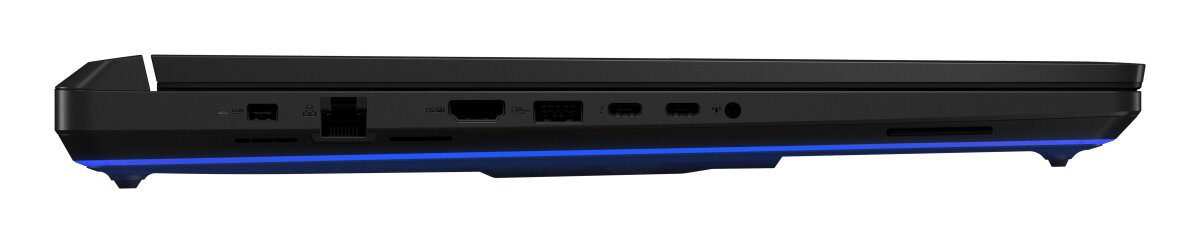
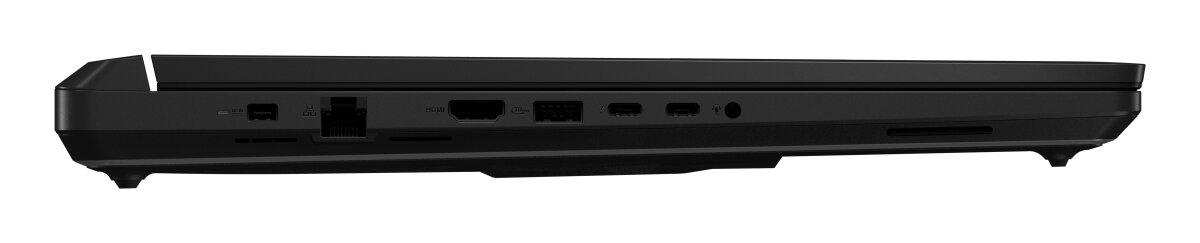
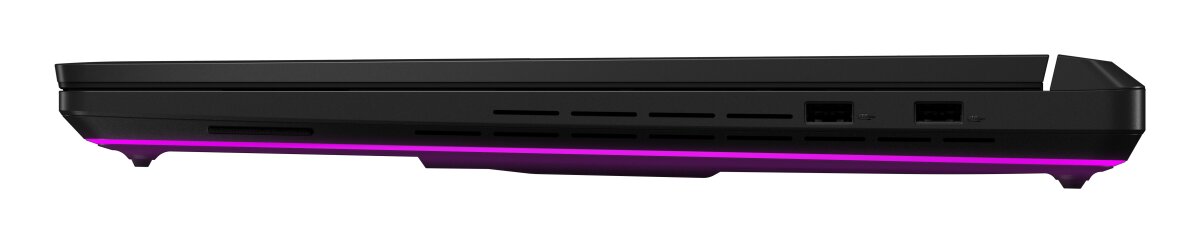
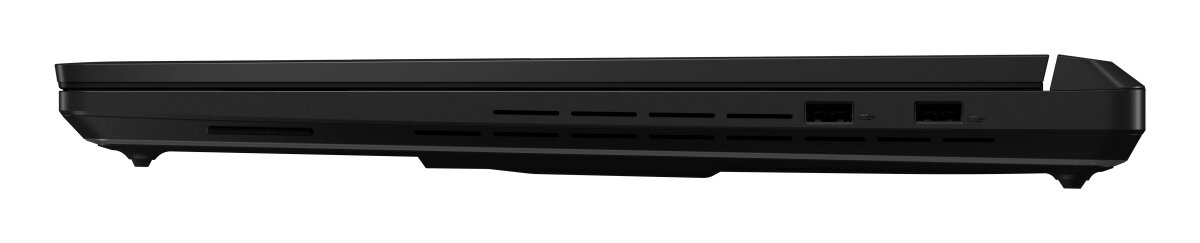
ASUS ROG Strix SCAR 18 G835LX-SA003W features DDR5-SDRAM memory upgrade specifications. The laptop contains 2x SO-DIMM slots supporting maximum RAM capacity of 64 GB. Compatible memory modules operate at 5600 MHz frequency. SO-DIMM form factor memory modules are required for upgrades on this gaming laptop model. Specifications indicate dual-channel memory configuration for enhanced performance. The G835LX-SA003W supports DDR5 technology across all memory upgrade slots.
Memory Upgrade Specifications
| Specification | Value |
|---|---|
| Memory slots | 2x SO-DIMM |
| Form factor | SO-DIMM |
| Memory type | DDR5-SDRAM |
| Frequency | 5600 MHz |
| Maximum RAM | 64 GB |
| Voltage | 1.1V |
| Number of pins | 262-pin |
| Interface | PC5 |
| PC Speed Rating | PC5-5600 (PC5-44800) |
| Bandwidth | 44.8 GB/s |
Additional Notes
- The ASUS ROG G835LX-SA003W contains 2 SO-DIMM slots that cannot be expanded beyond this physical constraint, meaning maximum addressable memory is fixed at 64 GB regardless of future DDR5 density improvements.
- DDR5-5600 MHz operation requires compatible memory modules rated for this specific frequency; modules rated at higher speeds (DDR5-6400 or DDR5-7200) will either downclock to 5600 MHz or fail to post, creating no performance benefit from premium-tier memory purchases.
- SO-DIMM form factor limits upgrade options to laptop-specific memory modules; desktop DDR5 DIMMs are physically incompatible and cannot be retrofitted regardless of electrical specifications.
- Memory capacity upgrades beyond the current configuration incur dual-slot occupancy, eliminating the ability to retain existing modules if asymmetrical configurations are needed during troubleshooting or partial upgrades.
- DDR5 memory at 5600 MHz operates with higher latency requirements than prior DDR4 generations, meaning raw throughput gains may not translate proportionally to real-world performance improvements in latency-sensitive workloads compared to specification alone.
- Installation of non-validated third-party memory modules may void manufacturer support claims, as ASUS maintains qualified vendor lists; warranty coverage becomes contingent on use of approved components rather than compliant specifications.