ASUS ROG G512LV-HN246T RAM upgrade specifications
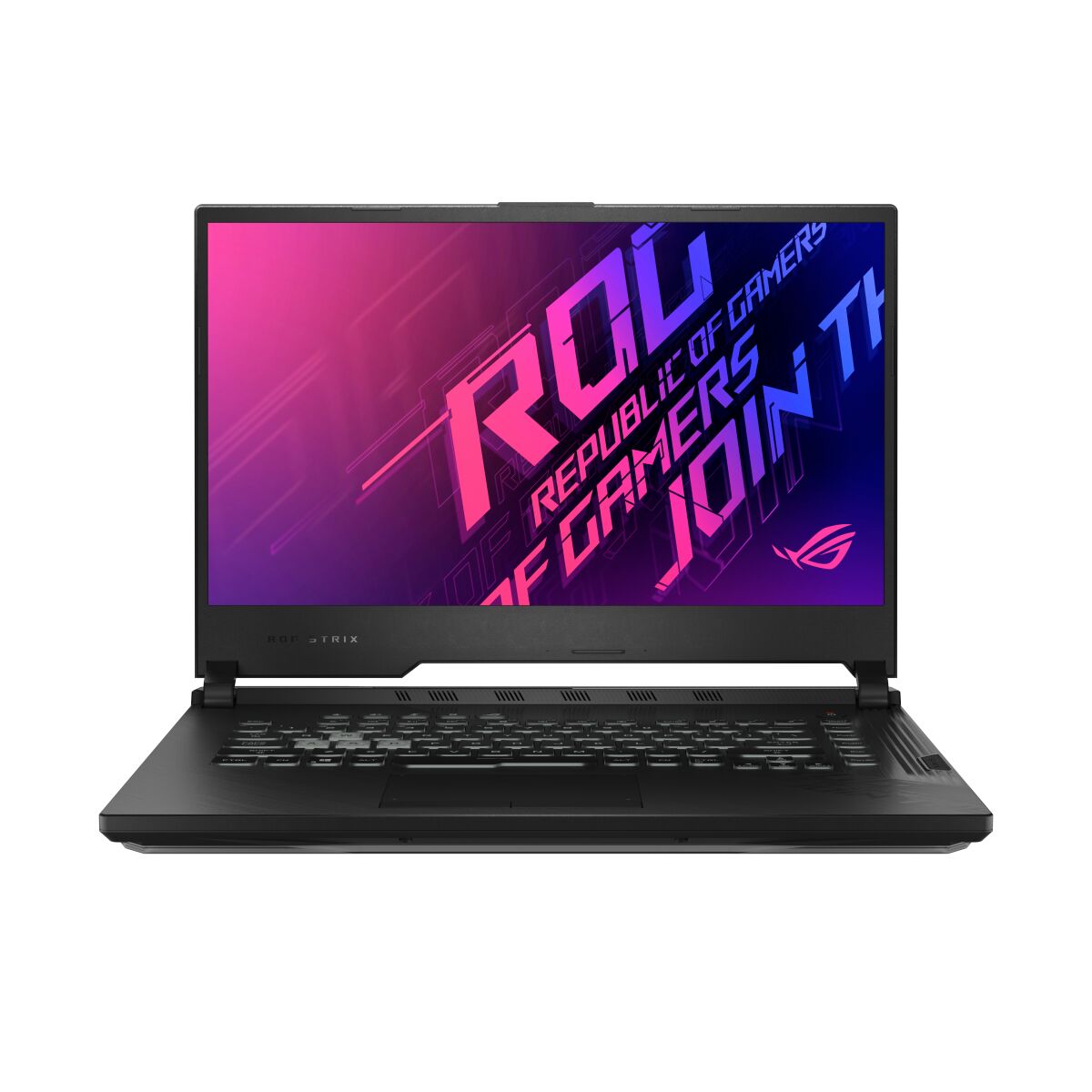

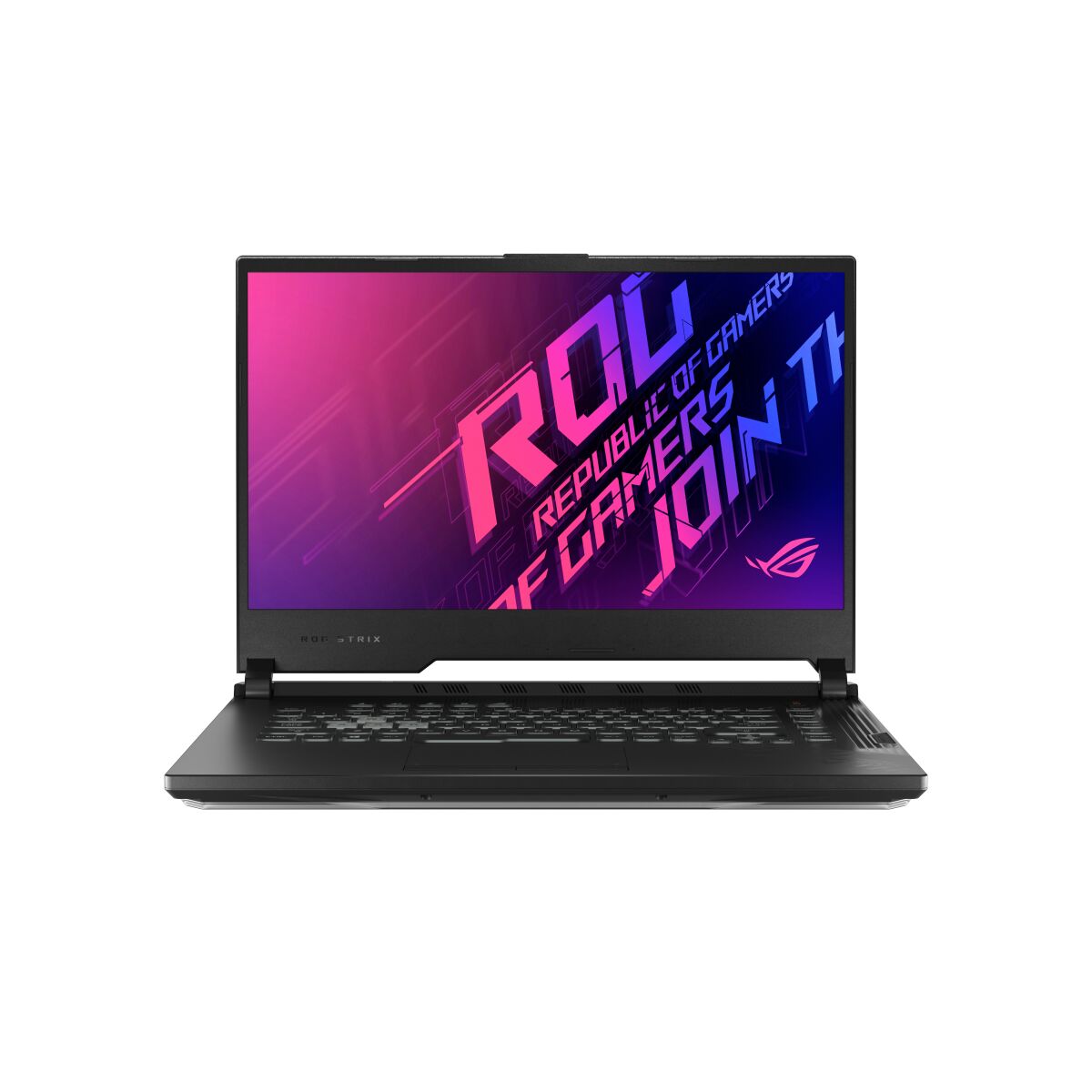
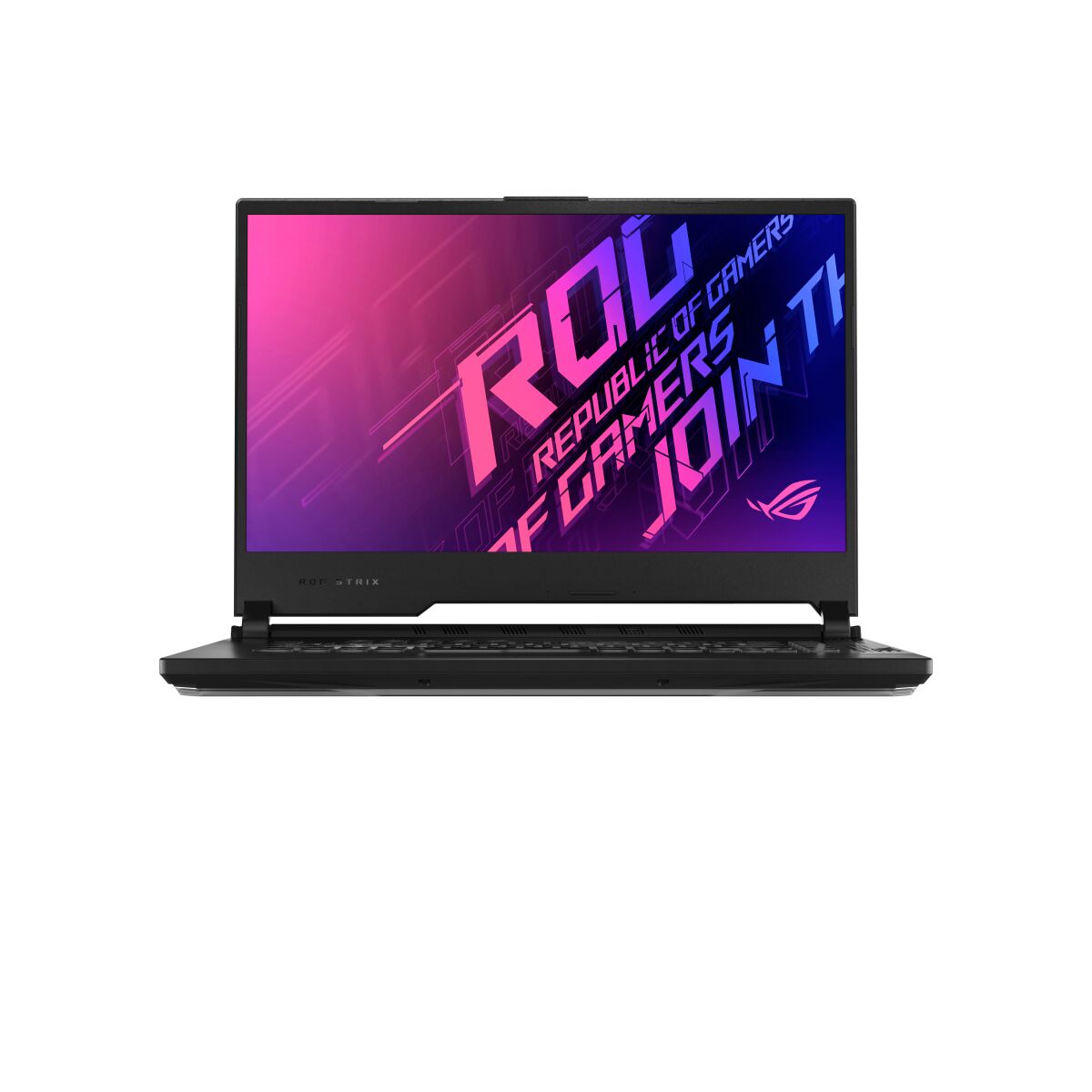

The ASUS ROG Strix G512LV-HN246T gaming laptop features two SO-DIMM slots for DDR4-SDRAM memory upgrade capability. The system supports maximum RAM capacity of 32 GB total, operating at 3200 MHz frequency. Compatible memory modules utilize the SO-DIMM form factor. Specifications indicate dual-channel memory configuration enabling hardware upgrade for enhanced multitasking and performance. Current memory upgrade slots accommodate standard DDR4-SDRAM specifications matching manufacturer compatibility requirements.
Memory Upgrade Specifications
| Specification | Value |
|---|---|
| Memory slots | 2x SO-DIMM |
| Form factor | SO-DIMM |
| Memory type | DDR4-SDRAM |
| Frequency | 3200 MHz |
| Maximum RAM | 32 GB |
| Voltage | 1.2V |
| Number of pins | 260-pin |
| Interface | PC4 |
| PC Speed Rating | PC4-3200 (PC4-25600) |
| Bandwidth | 25.6 GB/s |
| Laptop Release date | 27 January 2021 |
Additional Notes
- The ASUS ROG G512LV-HN246T accommodates DDR4 SO-DIMM modules exclusively, eliminating compatibility with DDR5 or desktop DIMM standards regardless of future availability.
- A 32 GB ceiling means single-channel configurations are impossible; both SO-DIMM slots must be populated simultaneously to achieve maximum capacity, preventing asymmetrical memory configurations.
- The 3200 MHz specification represents the native supported frequency; modules rated above this threshold will either downclock automatically or require BIOS adjustments outside standard operation, potentially voiding stability guarantees.
- SO-DIMM physical constraints limit upgrade options to laptop-grade modules only; desktop-sized DDR4 sticks cannot be mechanically inserted into the 2 available slots.
- Populating both slots with matched pairs is mandatory for dual-channel operation; mismatched capacities or speeds will default to single-channel mode on the slower module's specifications, reducing effective bandwidth by approximately 50 percent.
- The 2-slot architecture provides no expansion headroom; any future memory requirement exceeding 32 GB necessitates complete module replacement rather than additive upgrades.
- SO-DIMM latency characteristics typically run 1-2 nanoseconds higher than desktop equivalents due to physical compaction, creating measurable L3 cache miss penalties in memory-intensive workloads compared to desktop systems.
- Warranty compliance requires sourcing DDR4-3200 modules from manufacturers on ASUS's qualified vendor list; third-party or overclocked variants may trigger technical support denials under defect claims.