ASUS ROG GL503VD-FY380T RAM upgrade specifications
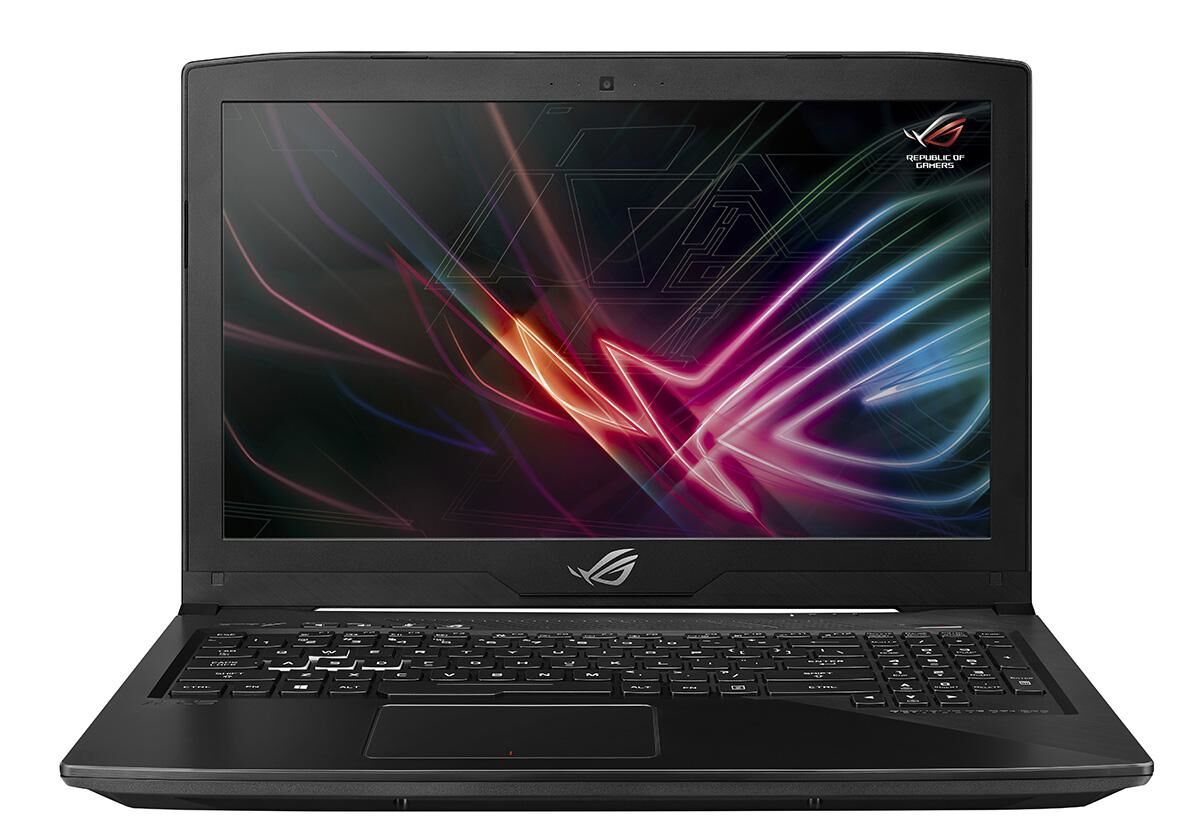
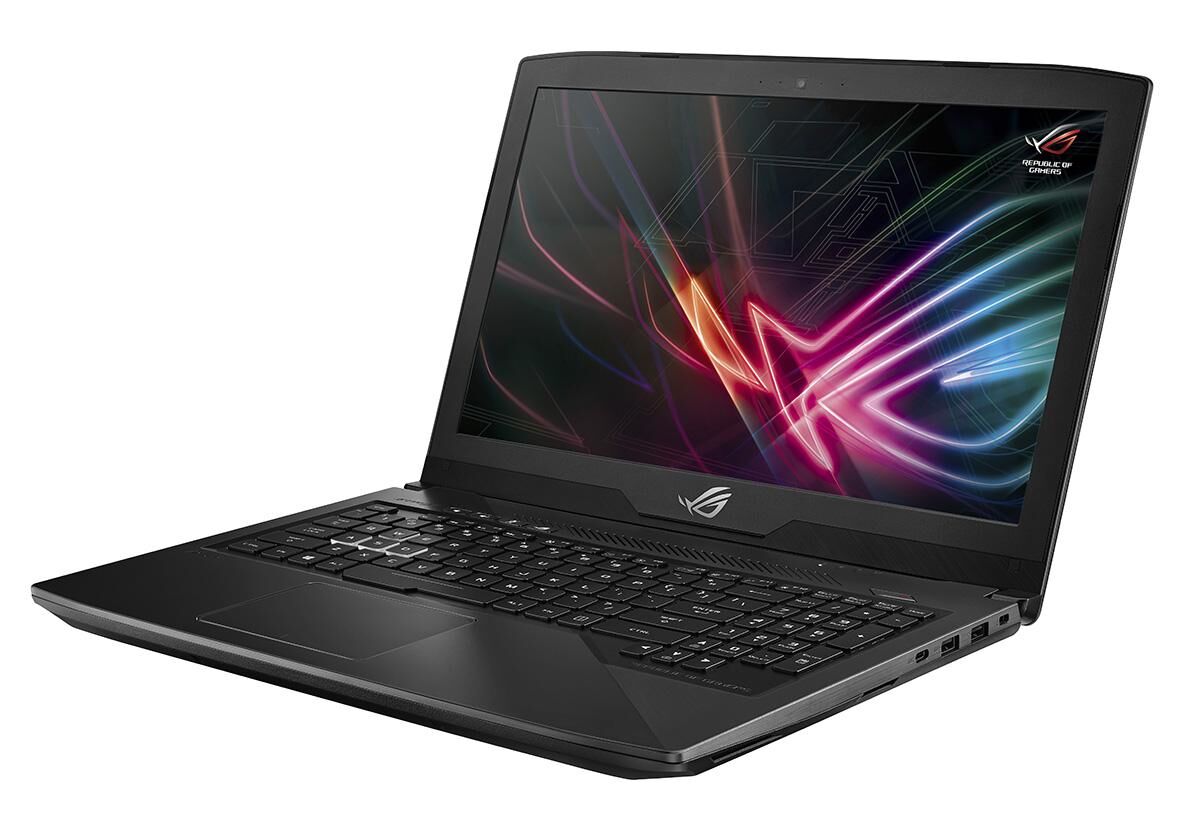


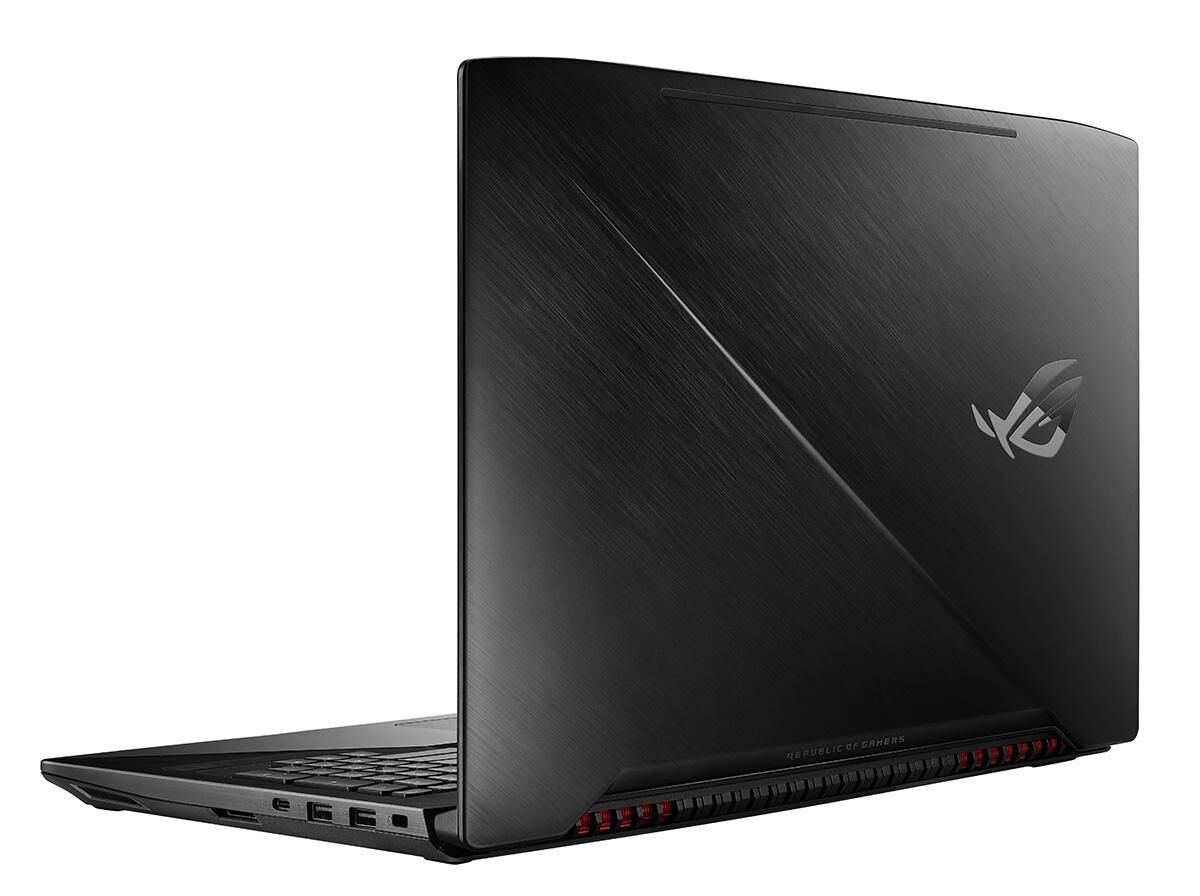
ASUS ROG Strix GL503VD-FY380T laptop features two SO-DIMM slots compatible with DDR4-SDRAM memory modules operating at 2400 MHz frequency. The gaming notebook supports maximum RAM capacity of 32 GB total. Upgrade specifications indicate DDR4 memory type in SO-DIMM form factor for this portable computer model. Compatible memory modules must match the DDR4-SDRAM specifications and SO-DIMM configuration for proper installation and system compatibility.
Memory Upgrade Specifications
| Specification | Value |
|---|---|
| Memory slots | 2x SO-DIMM |
| Form factor | SO-DIMM |
| Memory type | DDR4-SDRAM |
| Frequency | 2400 MHz |
| Maximum RAM | 32 GB |
| Voltage | 1.2V |
| Number of pins | 260-pin |
| Interface | PC4 |
| PC Speed Rating | PC4-2400 (PC4-19200) |
| Bandwidth | 19.2 GB/s |
| Laptop Release date | 23 January 2018 |
Additional Notes
- The ASUS ROG GL503VD-FY380T accepts a maximum density of 16 GB per SO-DIMM slot, which determines the 32 GB ceiling when both slots are populated with identical modules.
- DDR4-2400 represents the validated speed for this platform, meaning faster modules will downclock to 2400 MHz regardless of their rated specifications.
- The dual-channel architecture requires matched pairs installed in both slots to achieve full memory bandwidth, as single-module configurations will operate in single-channel mode with half the theoretical throughput.
- Mixing different module capacities will force the system to operate in asymmetric or flex mode, potentially reducing bandwidth performance compared to symmetrical configurations.
- SO-DIMM modules use 260-pin connectors and measure approximately 69.6 mm in length, which differs from standard desktop DIMM form factors and prevents compatibility between the two.
- Memory voltage for DDR4-2400 modules operates at 1.2V standard specification, though some higher-performance modules may require XMP profiles that are typically unsupported in laptop BIOS implementations.
- Access to the memory slots typically requires removing the bottom panel, and manufacturers may use warranty-voiding stickers on service panels in certain regions.
- Non-ECC unbuffered modules are required for this consumer platform, as registered or ECC memory types will not initialize properly during POST.
- The Intel HM175 or similar mobile chipset supporting this configuration limits memory speed options to JEDEC standard frequencies, preventing manual timing adjustments available on desktop platforms.
- Thermal constraints in the laptop chassis mean high-density memory modules may generate additional heat under sustained workloads, potentially affecting nearby component temperatures.