ASUS ROG GL703GE RAM upgrade specifications
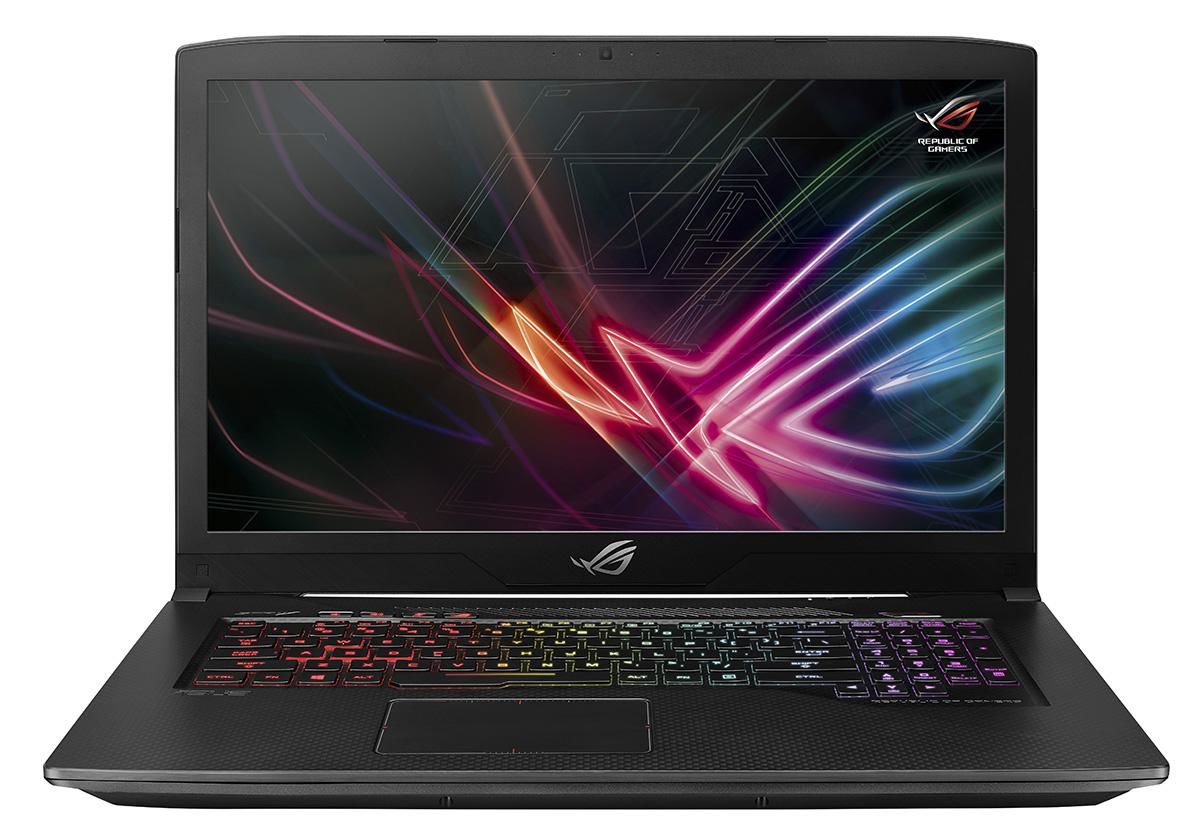




ASUS ROG Strix GL703GE RAM upgrade specifications detail memory configuration for this gaming laptop model. The GL703GE supports DDR4-SDRAM memory with maximum capacity of 32 GB across 2x SO-DIMM slots. Compatible memory modules operate at 2666 MHz frequency. Each SO-DIMM slot accommodates up to 16 GB modules, enabling full 32 GB memory capacity when both slots are populated. Specifications confirm upgrade compatibility with standard DDR4 SO-DIMM modules meeting 2666 MHz frequency requirements for optimal performance in the ROG Strix GL703GE platform.
Memory Upgrade Specifications
| Specification | Value |
|---|---|
| Memory slots | 2x SO-DIMM |
| Form factor | SO-DIMM |
| Memory type | DDR4-SDRAM |
| Frequency | 2666 MHz |
| Maximum RAM | 32 GB |
| Voltage | 1.2V |
| Number of pins | 260-pin |
| Interface | PC4 |
| PC Speed Rating | PC4-2666 (PC4-21328) |
| Bandwidth | 21.3 GB/s |
| Laptop Release date | 27 April 2018 |
Additional Notes
- Dual channel memory architecture requires matching module capacities and timings across both slots to ensure peak memory bandwidth and prevent system clock downshifts.
- The processor architecture limits addressable memory space to 32 GB, rendering 32 GB single sticks or 64 GB kits incompatible regardless of physical fit.
- Higher frequency RAM modules clocked at 3200 MHz will automatically downclock to 2666 MHz due to hardware controller limitations and preset firmware profiles.
- Upgrading to the maximum capacity involves substituting both factory modules since the lack of additional vacant slots prevents additive expansion.
- The SO-DIMM form factor necessitates 260 pin modules specifically designed for mobile chipsets to ensure electrical and physical alignment within the 17 inch chassis.
- Mixing modules with disparate Latency (CL) ratings forces the system to default to the slowest common timing, potentially introducing micro-stutters during high speed data transfers.
- System stability depends on utilizing Unbuffered, Non-ECC memory as Enterprise-grade registered modules will result in a failure to boot.
- The internal layout requires the removal of the entire base panel for component access, which may expose sensitive internal ribbons and thermal pads to accidental damage during installation.