ASUS ROG GL703GM-71250-GAMING RAM upgrade specifications
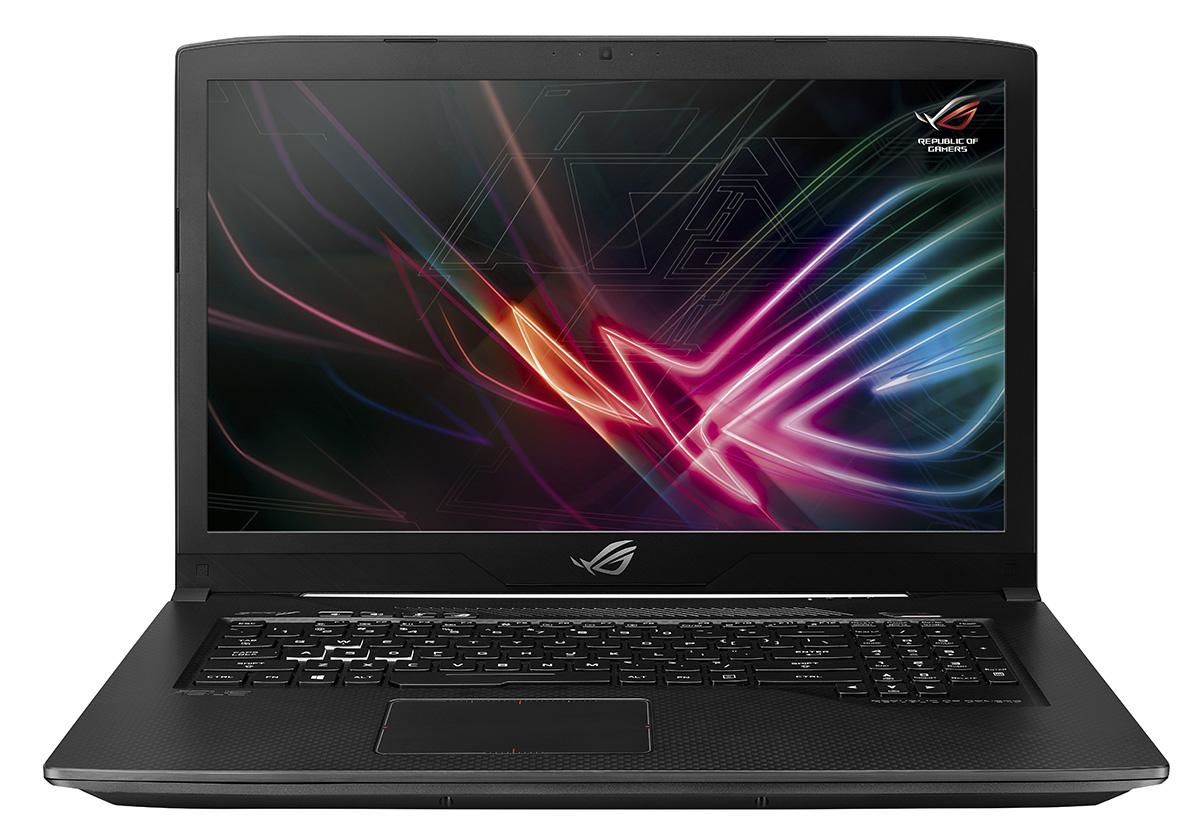
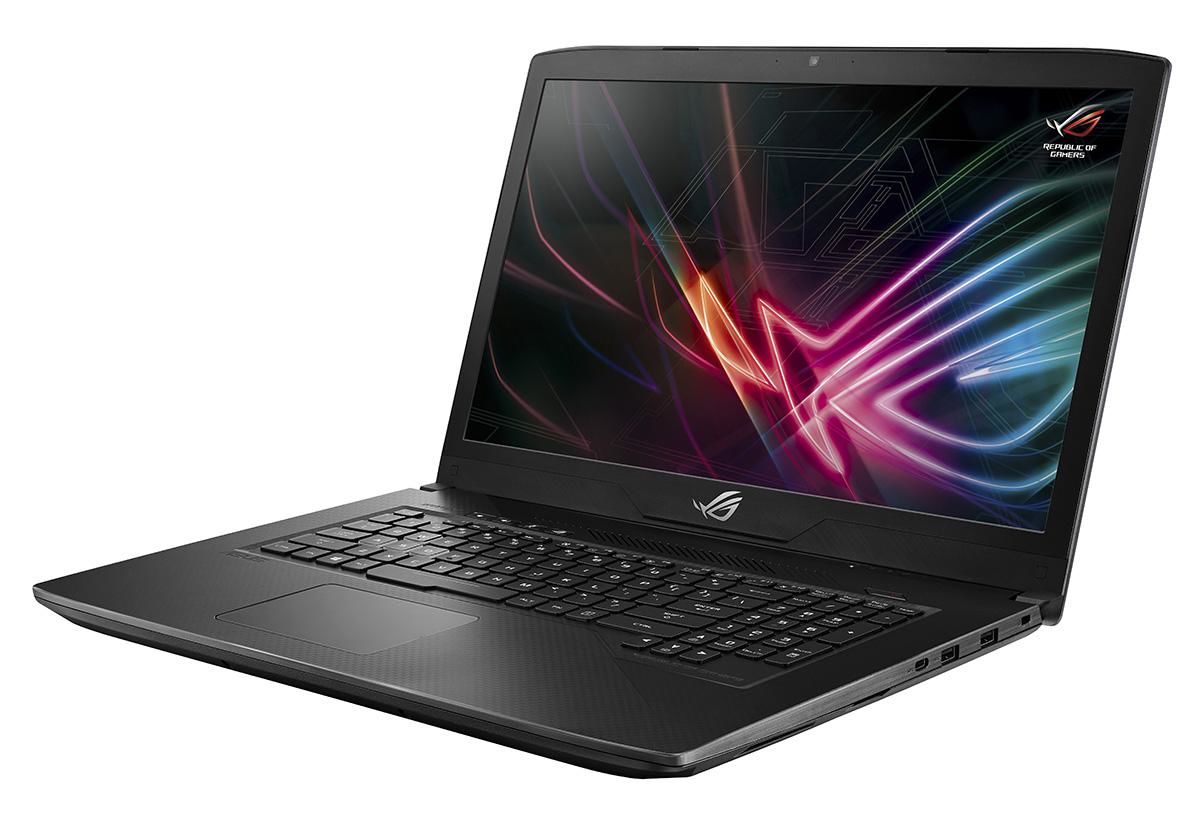
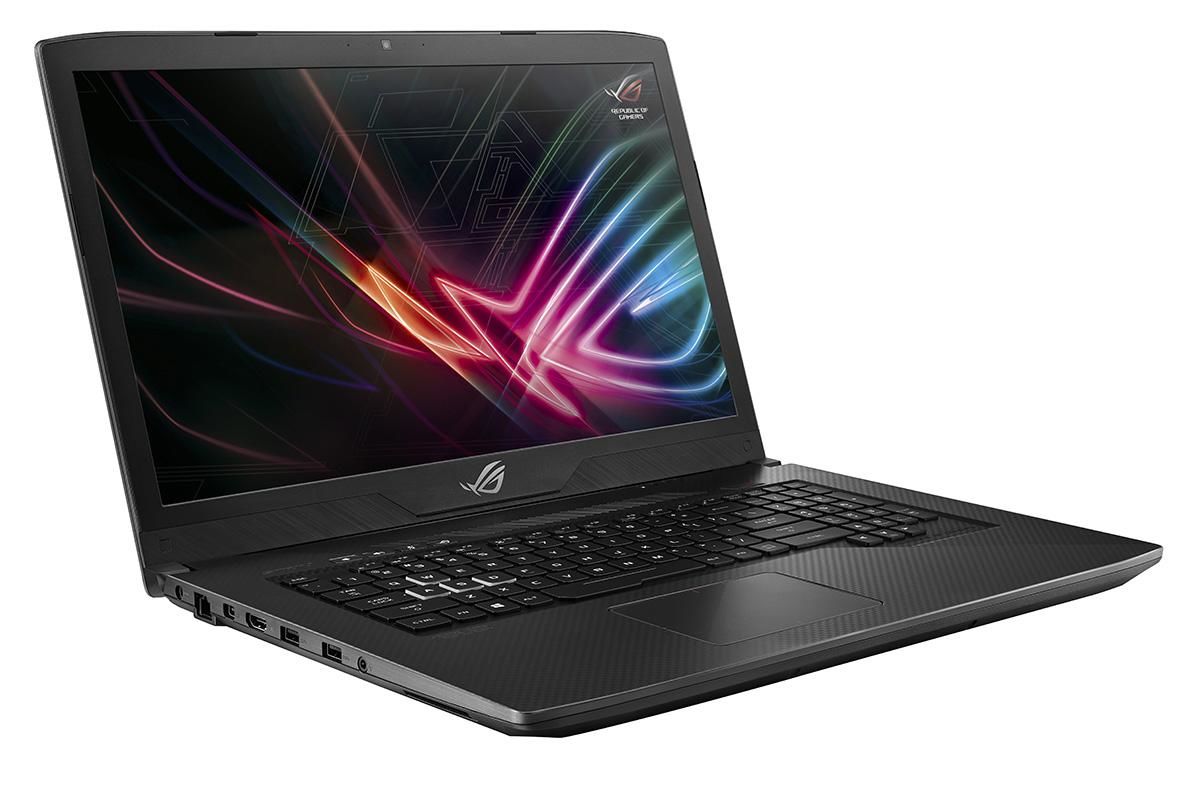
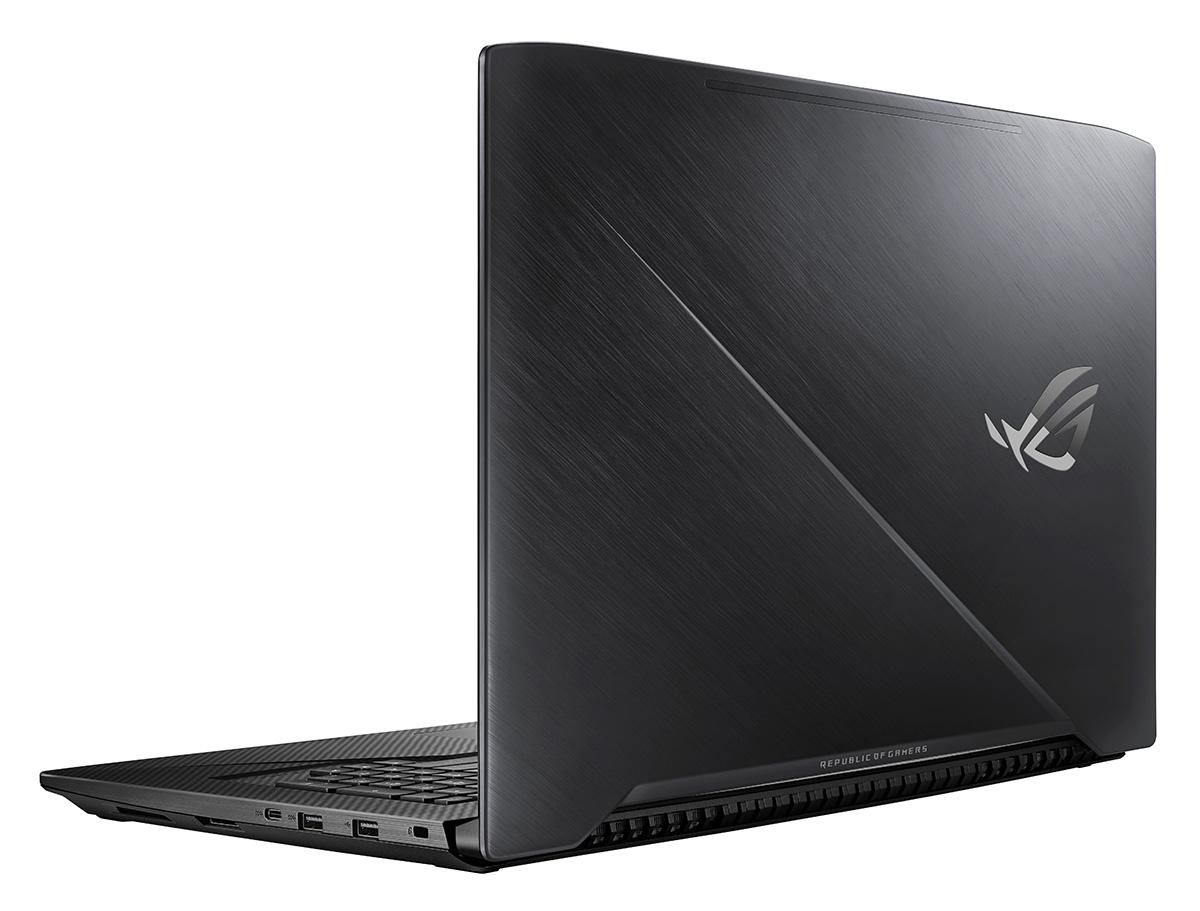
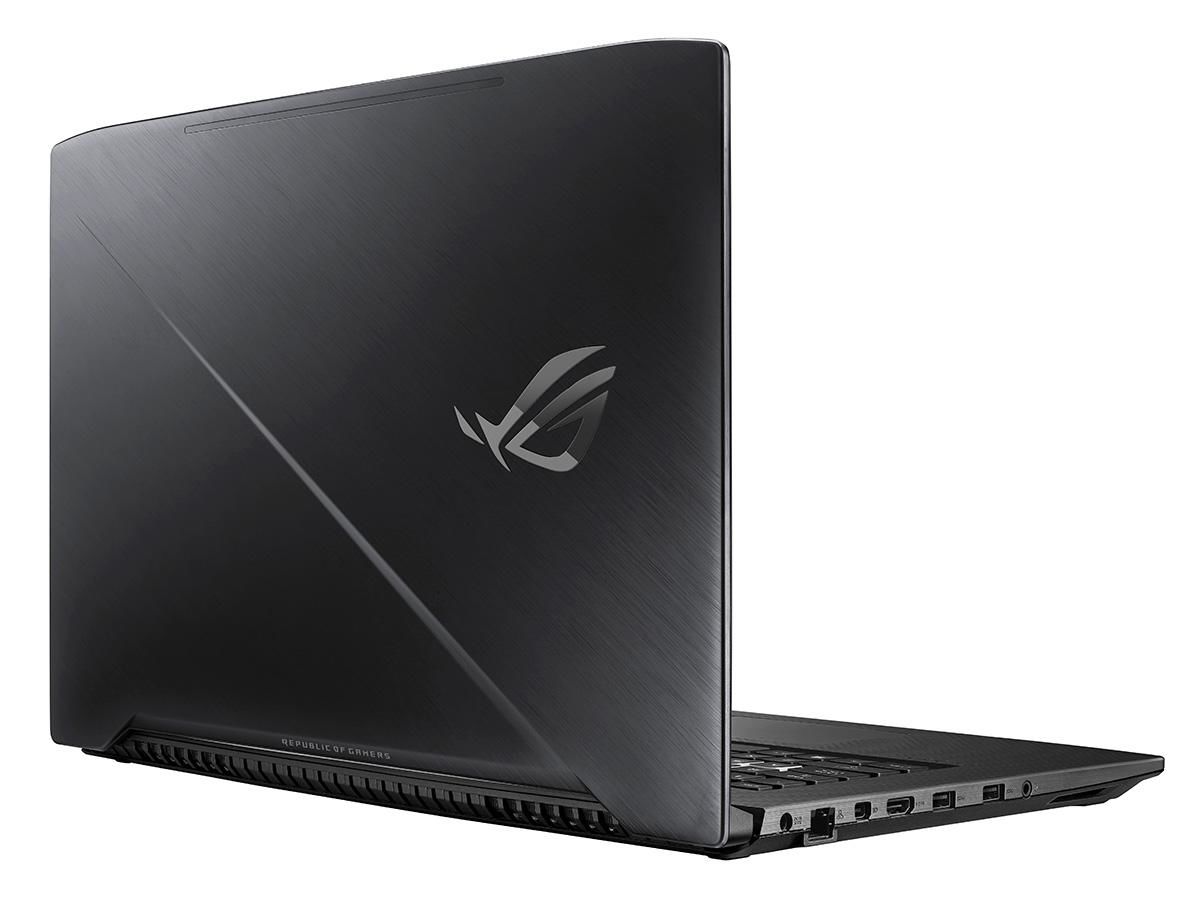
ASUS ROG Strix GL703GM-71250-GAMING gaming laptop features DDR4-SDRAM memory configuration with two SO-DIMM slots supporting maximum RAM capacity of 32 GB. Memory upgrade specifications include DDR4-SDRAM technology operating at 2666 MHz frequency. Compatible memory modules utilize SO-DIMM form factor. Upgrade options enable expansion from original capacity to 32 GB maximum supported capacity across both available slots. Specifications indicate DDR4-SDRAM compatibility and SO-DIMM socket configuration for RAM modifications and enhancements.
Memory Upgrade Specifications
| Specification | Value |
|---|---|
| Memory slots | 2x SO-DIMM |
| Form factor | SO-DIMM |
| Memory type | DDR4-SDRAM |
| Frequency | 2666 MHz |
| Maximum RAM | 32 GB |
| Voltage | 1.2V |
| Number of pins | 260-pin |
| Interface | PC4 |
| PC Speed Rating | PC4-2666 (PC4-21328) |
| Bandwidth | 21.3 GB/s |
| Laptop Release date | 30 June 2018 |
Additional Notes
- The ASUS ROG GL703GM-71250-GAMING contains 2 SO-DIMM slots that cannot be expanded beyond this configuration, limiting upgrade scenarios to replacing existing modules rather than adding additional capacity.
- DDR4-2666 MHz represents a mobile-class frequency ceiling for this platform; sourcing faster DDR4 modules (3000+ MHz) will result in automatic downclocking to 2666 MHz, making premium-tier memory purchases economically inefficient.
- SO-DIMM form factor requires laptop-specific memory modules; desktop DDR4 DIMMs are physically incompatible and cannot be force-fitted without damage to both the module and motherboard slots.
- Upgrading to the 32 GB maximum necessitates 2x 16 GB SO-DIMM modules; this configuration doubles the memory capacity but does not increase the number of available slots, eliminating future expansion pathways.
- The 2-slot architecture creates a bottleneck scenario where replacing a single 8 GB module with 16 GB results in asymmetrical dual-channel operation until both slots hold equal-capacity modules, reducing inter-channel bandwidth efficiency during mixed-capacity transitions.
- Warranty preservation typically requires OEM-approved or compatible third-party memory; mixing brands between slots may trigger system stability issues unrelated to hardware defect, complicating warranty claims.