ASUS ROG GL703GM-EE077T RAM upgrade specifications
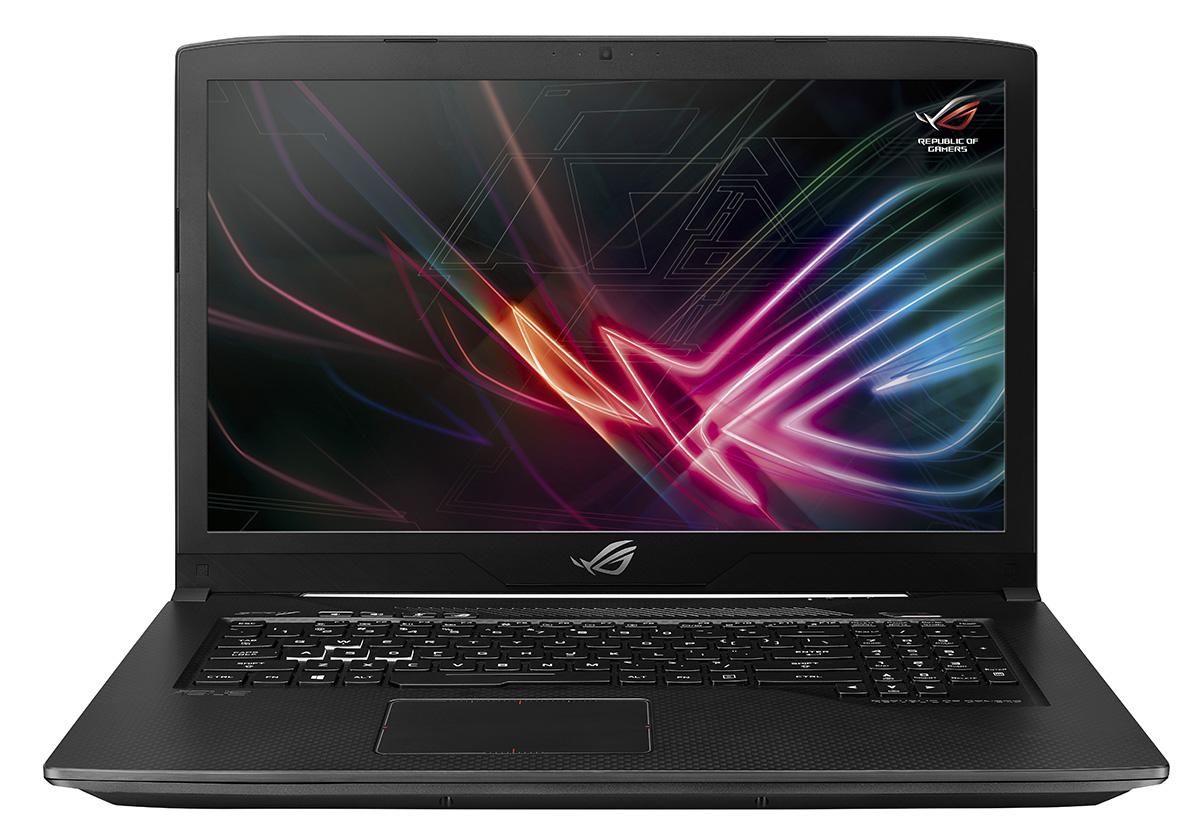


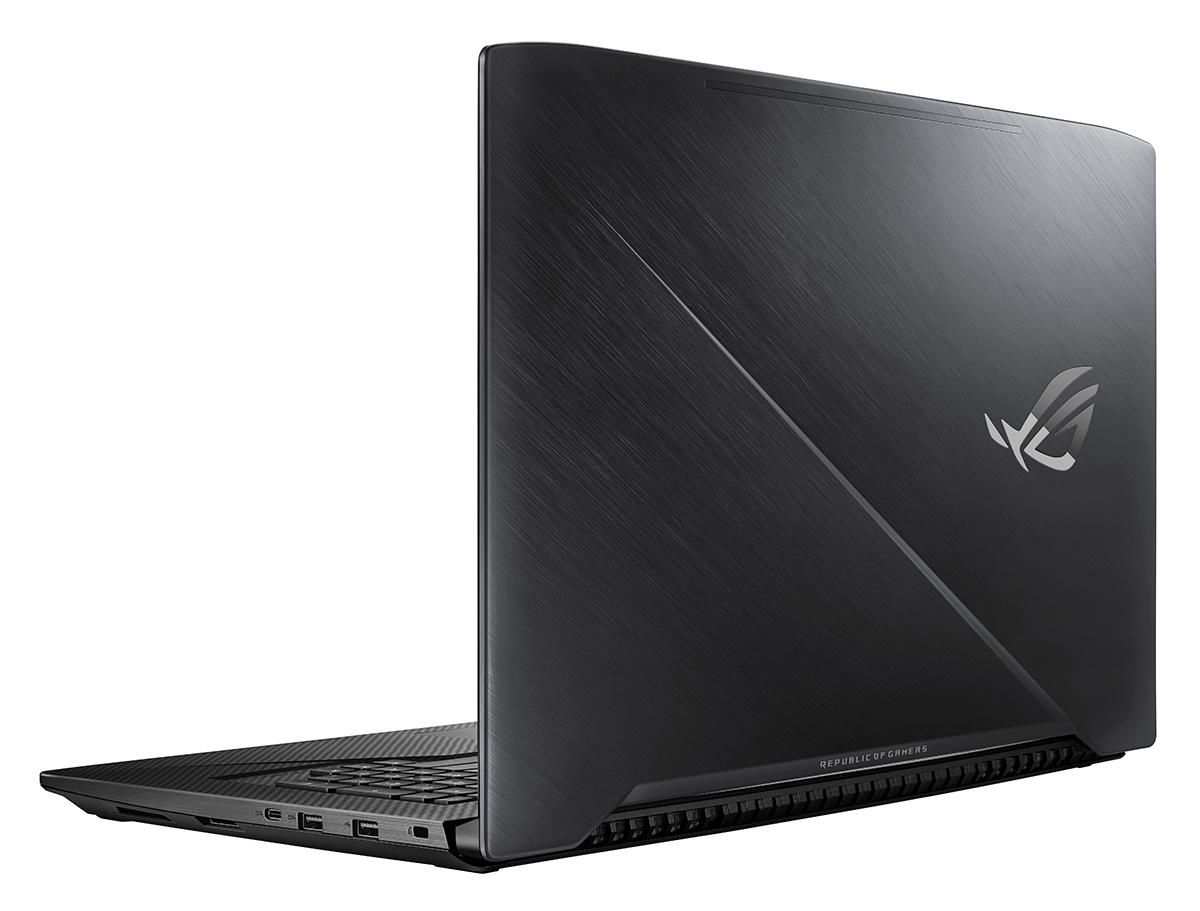
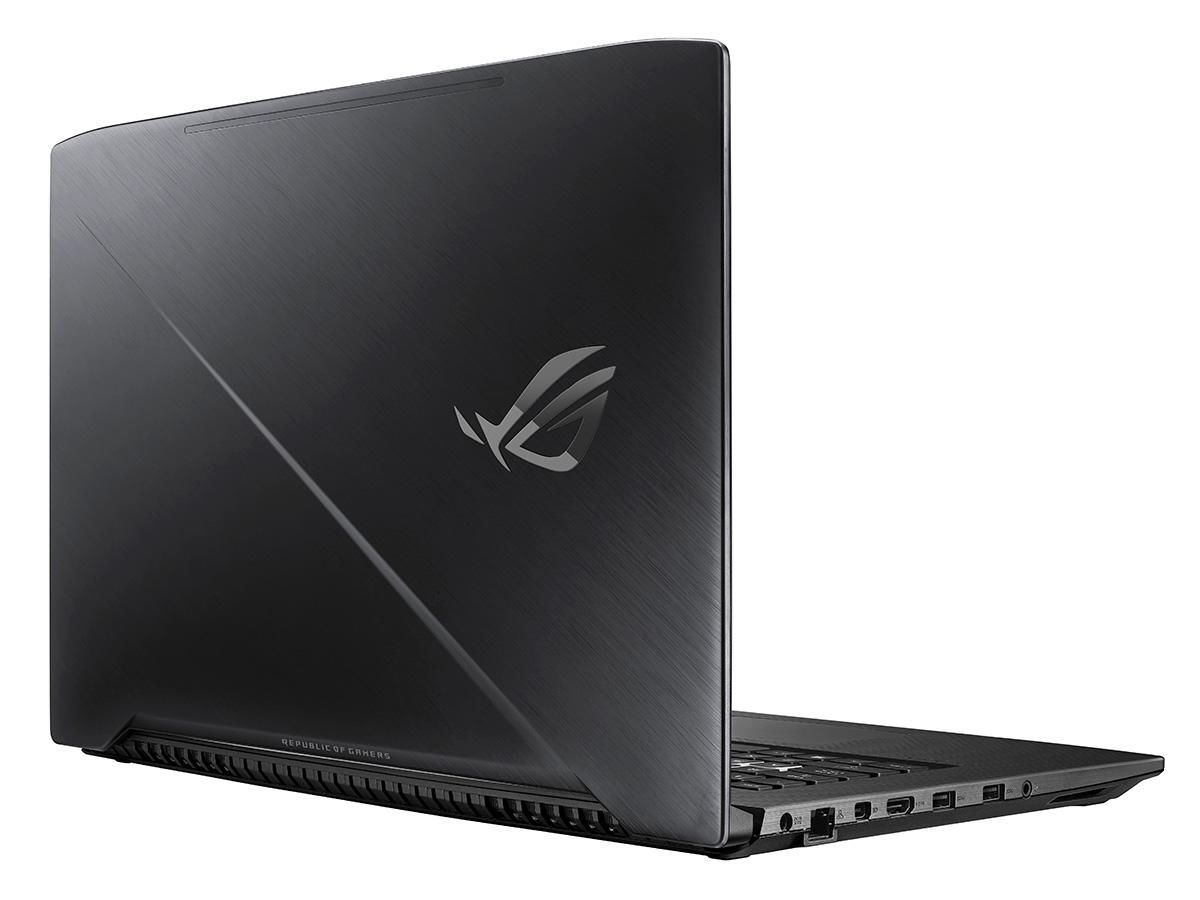
ASUS ROG Strix GL703GM-EE077T memory upgrade specifications indicate DDR4-SDRAM compatibility with 2x SO-DIMM slots supporting maximum RAM capacity of 32 GB total. Compatible memory modules operate at 2666 MHz frequency. The laptop features SO-DIMM form factor slots for RAM expansion, enabling users to upgrade memory capacity according to specifications and device requirements.
Memory Upgrade Specifications
| Specification | Value |
|---|---|
| Memory slots | 2x SO-DIMM |
| Form factor | SO-DIMM |
| Memory type | DDR4-SDRAM |
| Frequency | 2666 MHz |
| Maximum RAM | 32 GB |
| Voltage | 1.2V |
| Number of pins | 260-pin |
| Interface | PC4 |
| PC Speed Rating | PC4-2666 (PC4-21328) |
| Bandwidth | 21.3 GB/s |
| Laptop Release date | 13 April 2018 |
Additional Notes
- The ASUS ROG GL703GM-EE077T contains 2 SO-DIMM slots, which means both memory modules must be replaced simultaneously to achieve the 32 GB maximum capacity. Single-slot upgrades are possible only if one slot remains empty.
- DDR4-2666 MHz represents a mid-range frequency specification from the 7th-generation Intel platform era. Mixing higher-frequency DDR4 modules (3000 MHz or above) will result in automatic downclocking to 2666 MHz, negating any speed advantage from premium memory.
- SO-DIMM form factor requires laptop-specific memory modules rather than standard desktop DDR4. Attempting desktop UDIMM installation will cause physical obstruction and component damage.
- The 32 GB capacity ceiling means theoretical maximum dual-channel configuration is 2x 16 GB modules. Quad-channel architecture is absent in this chassis.
- Upgrading from stock configuration to 32 GB will increase memory latency marginally due to additional electrical load on the memory controller, though this effect remains negligible for gaming and content creation workloads at 2666 MHz speeds.
- SO-DIMM modules run at 1.2 volts standard specification. Non-compliant voltage regulators in aftermarket memory can trigger BIOS protection circuits, rendering the system unbootable without warranty recourse.
- The 2-slot architecture eliminates future expansion pathways beyond 32 GB, making initial upgrade decisions final for the device lifecycle.