ASUS ROG GX551QR-HB027T RAM upgrade specifications




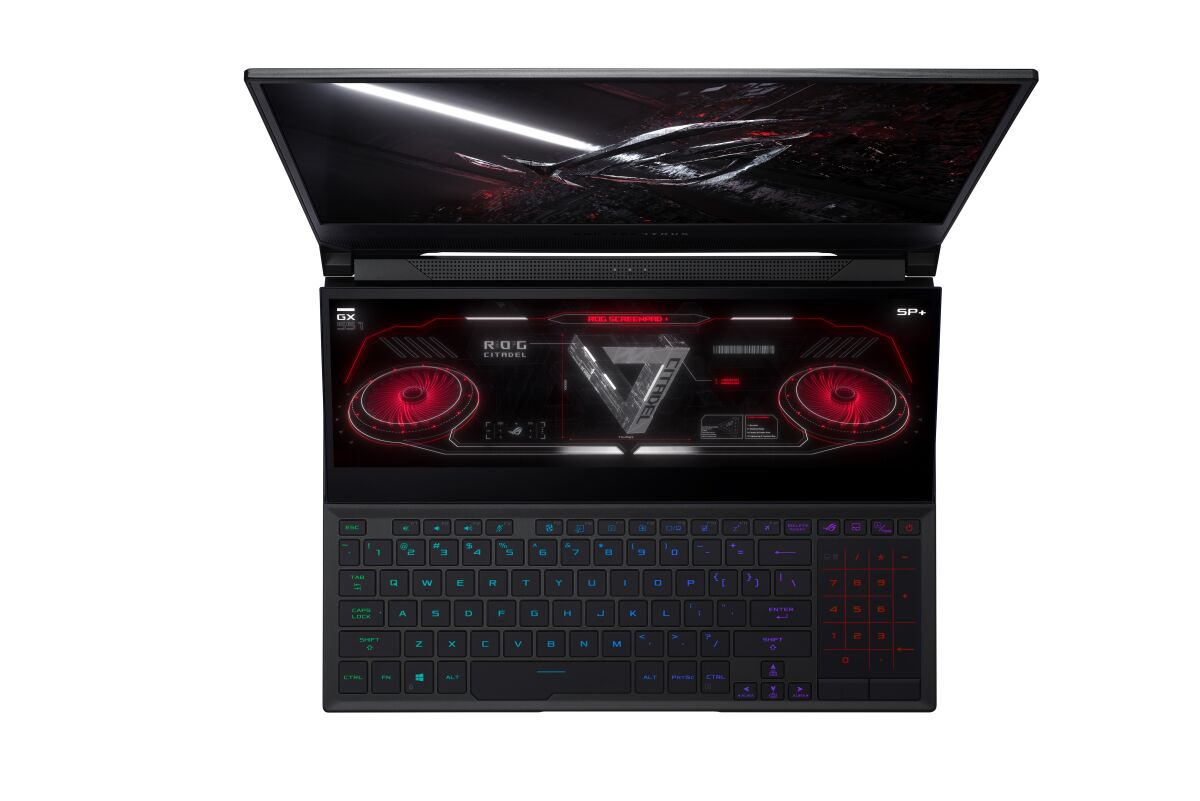
ASUS ROG Zephyrus Duo 15 SE model GX551QR-HB027T supports DDR4-SDRAM memory upgrades. The laptop features one SO-DIMM slot for maximum RAM capacity of 32 GB. Compatible memory operates at 3200 MHz frequency. Memory configuration includes on-board storage combined with the SO-DIMM upgrade slot. Specifications indicate DDR4 compatibility for RAM expansion on the GX551QR-HB027T gaming laptop.
Memory Upgrade Specifications
| Specification | Value |
|---|---|
| Memory slots | 1x SO-DIMM |
| Form factor | On-board + SO-DIMM |
| Memory type | DDR4-SDRAM |
| Frequency | 3200 MHz |
| Maximum RAM | 32 GB |
| Voltage | 1.2V |
| Number of pins | 260-pin |
| Interface | PC4 |
| PC Speed Rating | PC4-3200 (PC4-25600) |
| Bandwidth | 25.6 GB/s |
| Laptop Release date | 13 January 2021 |
Additional Notes
- The ASUS ROG GX551QR-HB027T contains soldered memory on the motherboard, restricting expandable capacity to a single SO-DIMM slot. This asymmetrical configuration means total capacity ceiling is determined by the largest compatible module inserted into the available slot.
- A single 32 GB DDR4-SDRAM module represents the practical upgrade ceiling for this platform. Installation of smaller-capacity modules will result in unused slot potential, whereas larger modules exceed manufacturer specifications and risk instability.
- DDR4-3200 MHz memory operates at a fixed frequency tied to the processor's memory controller capabilities. Purchasing DDR4 modules rated above 3200 MHz will downclock to this speed, eliminating any performance advantage from higher-speed variants.
- SO-DIMM slots in gaming laptops require low-profile module clearance. Certain heatspreader designs on aftermarket memory modules may contact internal cooling infrastructure or the keyboard assembly, necessitating physical compatibility verification before purchase.
- Warranty coverage for memory upgrades depends on whether installation is performed by authorized service personnel or the end user. Self-installation typically voids hardware coverage for subsequent memory-related failures, whereas factory-supported upgrades preserve the manufacturer's liability.
- The soldered component represents non-recoverable capacity allocation. Upgrading the SO-DIMM slot cannot retroactively increase or replace the on-board portion, meaning the soldered memory amount fundamentally limits upgrade ROI calculation.