ASUS ROG GX650RW-LS005X RAM upgrade specifications




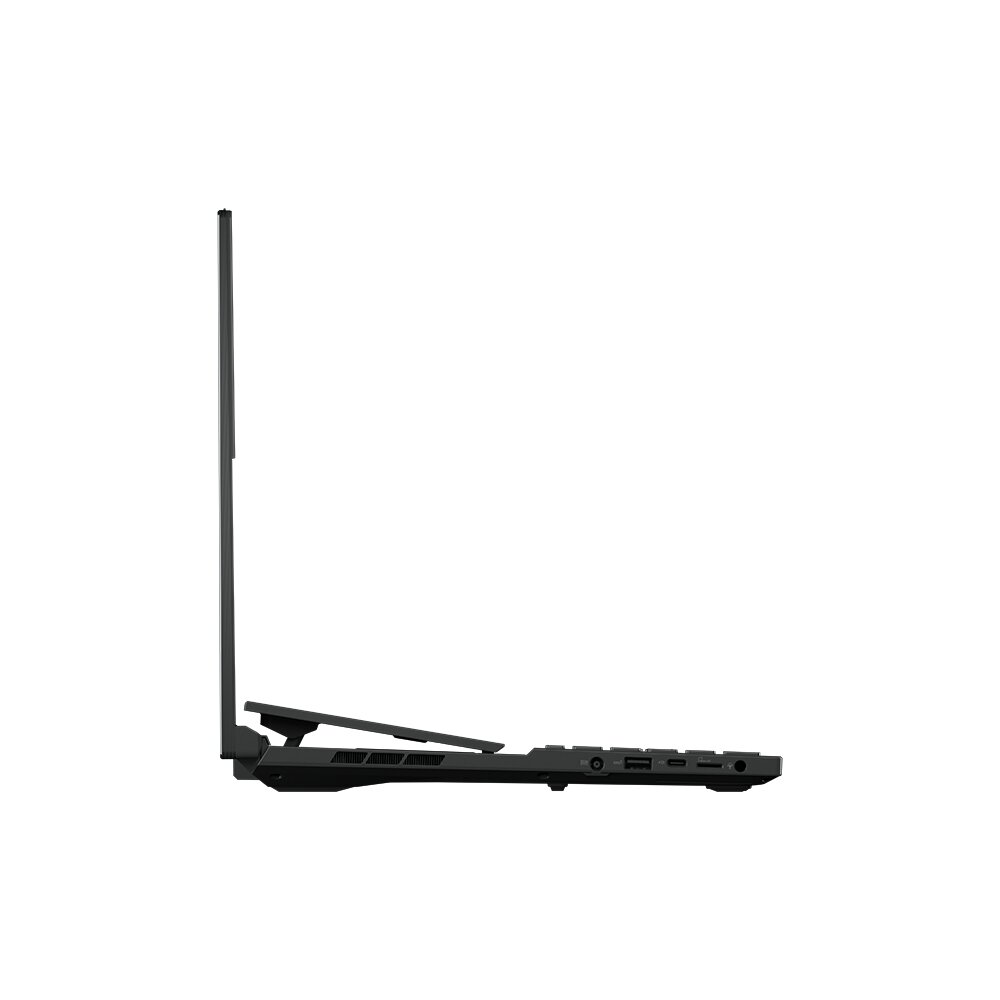
ASUS ROG Zephyrus Duo 16 GX650RW-LS005X laptop features DDR5-SDRAM memory upgrade capability. The system includes 2x SO-DIMM memory slots supporting maximum RAM capacity of 64 GB. Compatible memory modules operate at 4800 MHz frequency. Specifications indicate SO-DIMM form factor for memory expansion, allowing users to upgrade existing memory configurations up to the stated maximum capacity. Upgrade components must meet DDR5-SDRAM compatibility requirements for proper system functionality.
Memory Upgrade Specifications
| Specification | Value |
|---|---|
| Memory slots | 2x SO-DIMM |
| Form factor | SO-DIMM |
| Memory type | DDR5-SDRAM |
| Frequency | 4800 MHz |
| Maximum RAM | 64 GB |
| Voltage | 1.1V |
| Number of pins | 262-pin |
| Interface | PC5 |
| PC Speed Rating | PC5-4800 (PC5-38400) |
| Bandwidth | 38.4 GB/s |
| Laptop Release date | 22 October 2021 |
Additional Notes
- The presence of 2 SO-DIMM slots allows for a symmetrical dual-channel configuration which doubles the available memory bandwidth compared to single-channel setups.
- Upgrading the ASUS GX650RW-LS005X to the 64 GB maximum requires the removal of all existing modules because no slots are soldered to the mainboard.
- The DDR5 architecture integrates an on-die Power Management Integrated Circuit which shifts voltage regulation from the motherboard to the RAM module for improved thermal efficiency.
- High-density 32 GB modules are necessary to reach the peak supported capacity due to the physical limit of 2 expansion interfaces.
- Installation of modules with frequencies exceeding 4800 MHz will result in an automatic downclocking to match the system bus speed limitations.
- The SO-DIMM form factor necessitates the use of 262-pin modules specifically designed for small form factor motherboards.
- Internal access for memory replacement involves removing the bottom chassis panel which exposes sensitive components to electrostatic discharge risks.
- Maintaining identical timings and capacities across both slots ensures optimal stability and prevents latency penalties during high-load multitasking.