ASUS ROG GA401QE-HZ046T RAM upgrade specifications




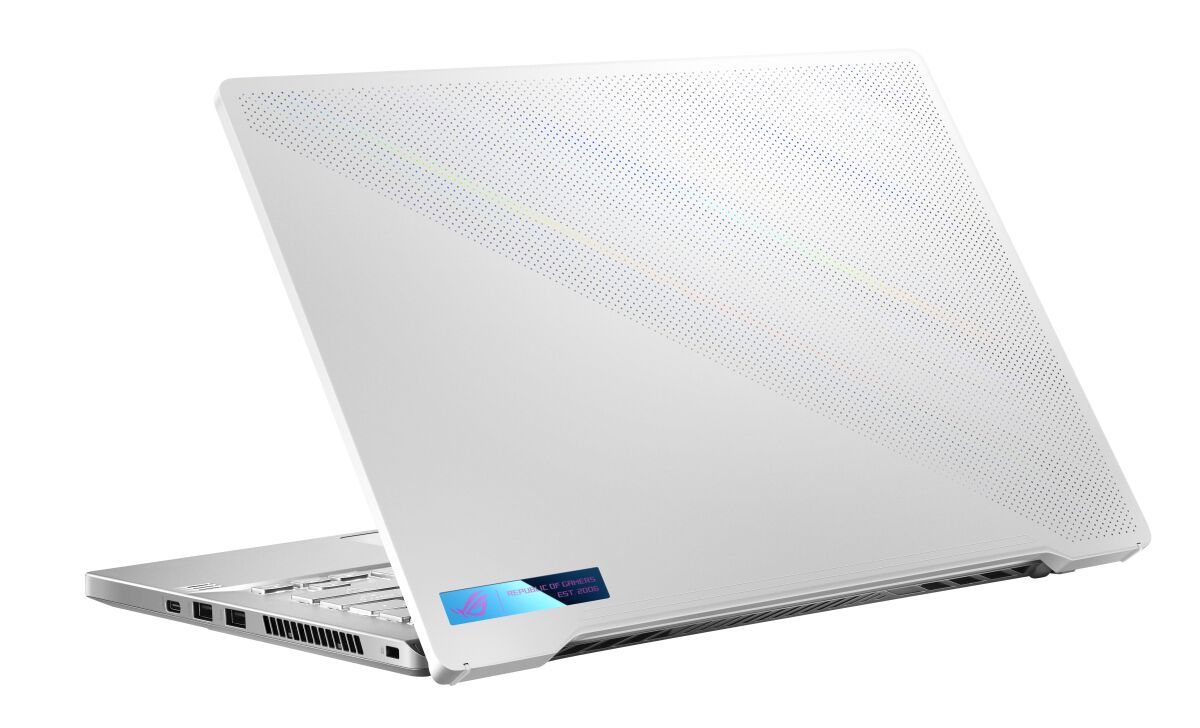
The ASUS ROG Zephyrus G14 GA401QE-HZ046T features DDR4-SDRAM memory upgrade specifications with one SO-DIMM slot available for expansion. The laptop supports maximum RAM capacity of 24 GB total, combining on-board memory with the single SO-DIMM slot. Compatible memory modules operate at 3200 MHz frequency. Upgrade specifications enable users to expand the system memory beyond factory configuration through the accessible SO-DIMM slot for improved performance and multitasking capabilities.
Memory Upgrade Specifications
| Specification | Value |
|---|---|
| Memory slots | 1x SO-DIMM |
| Form factor | On-board + SO-DIMM |
| Memory type | DDR4-SDRAM |
| Frequency | 3200 MHz |
| Maximum RAM | 24 GB |
| Voltage | 1.2V |
| Number of pins | 260-pin |
| Interface | PC4 |
| PC Speed Rating | PC4-3200 (PC4-25600) |
| Bandwidth | 25.6 GB/s |
| Laptop Release date | 17 May 2021 |
Additional Notes
- The presence of a single SO-DIMM slot implies that 8 GB of memory is permanently soldered to the motherboard of the ASUS ROG GA401QE-HZ046T, limiting total capacity upgrades to the replacement of only one module.
- Asymmetrical memory configurations exceeding 16 GB total will result in partial dual-channel operation, where only the first 16 GB runs at full bandwidth while the remaining capacity operates in single-channel mode.
- System stability depends on matching the 3200 MHz frequency of the soldered memory, as installing a lower-clocked module will force the entire bus to downclock, creating a bandwidth bottleneck.
- The maximum capacity threshold of 24 GB indicates that the expansion slot supports a module of up to 16 GB.
- Total memory replacement is impossible due to the on-board design, meaning hardware failures in the base 8 GB section require a full motherboard swap rather than a simple component replacement.
- Latency timings will automatically default to the highest common denominator between the fixed on-board chips and the removable module, potentially increasing CAS latency if the new hardware is not spec-matched.