ASUS ROG GA402XY-N2023X RAM upgrade specifications
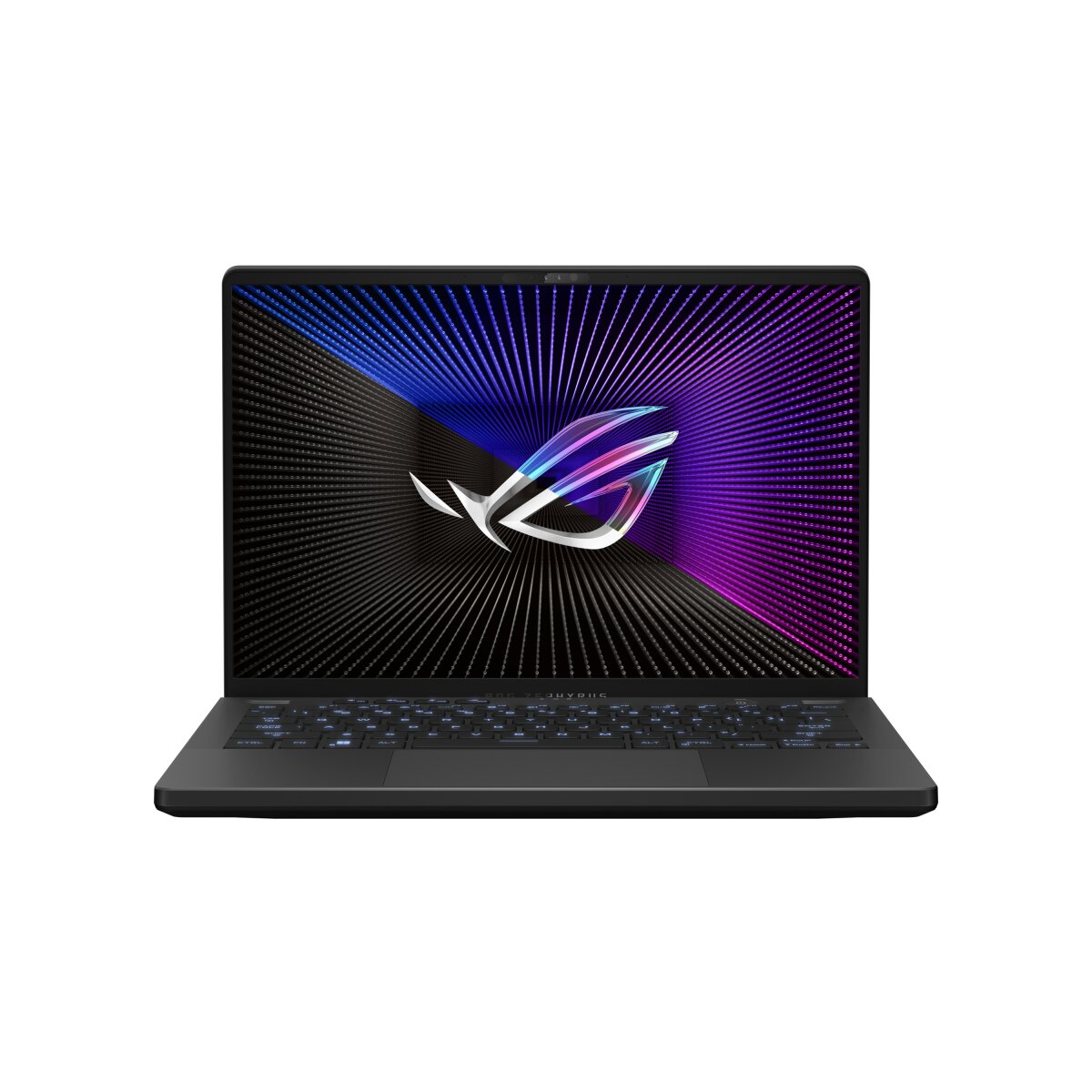
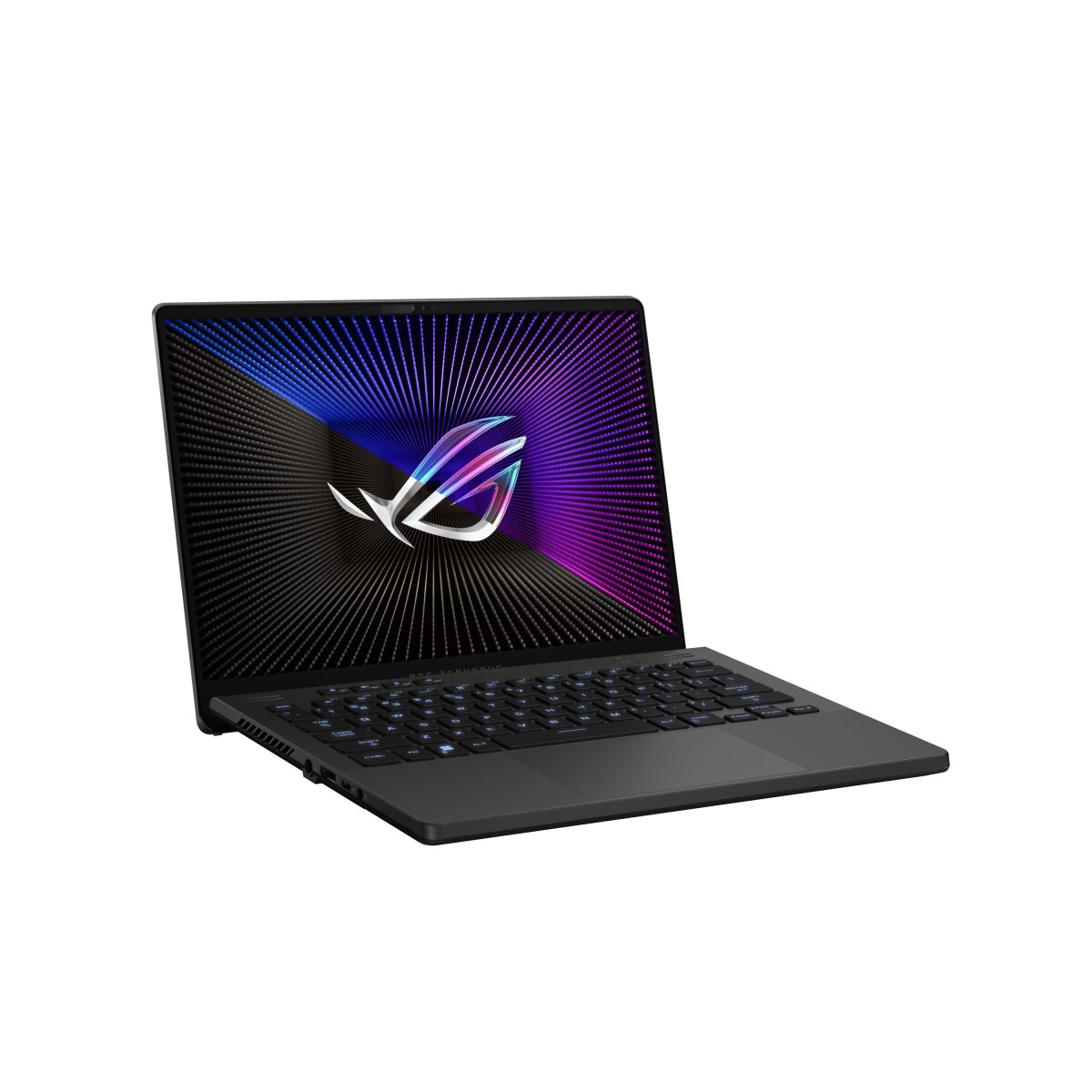
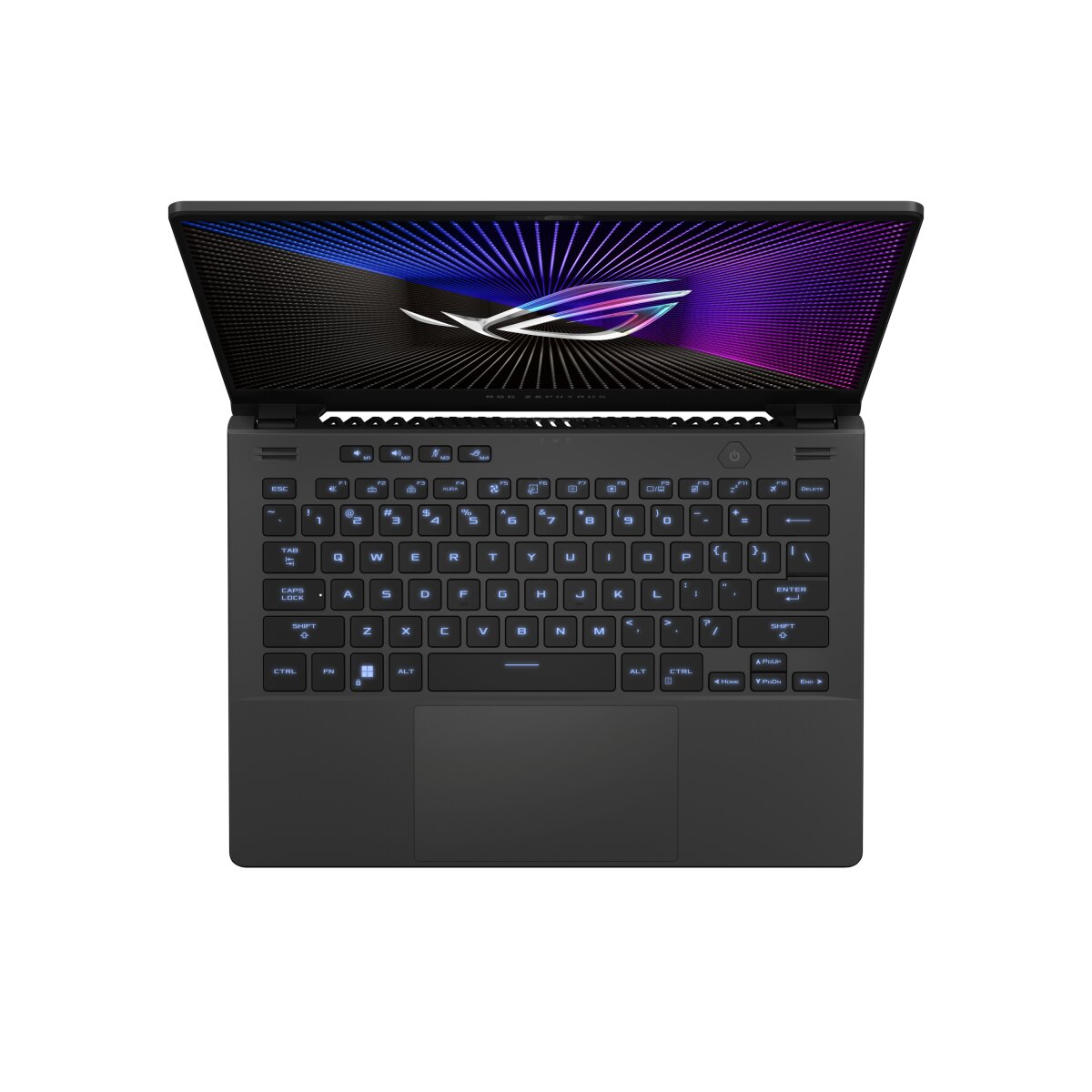

The ASUS ROG Zephyrus G14 GA402XY-N2023X features DDR5-SDRAM memory architecture compatible with upgrade configurations. The laptop contains one SO-DIMM slot available for memory expansion. Specifications indicate a maximum RAM capacity of 32 GB. Memory operates at 4800 MHz frequency. The device utilizes on-board memory combined with the upgradeable SO-DIMM slot. Users seeking to expand the memory capacity should verify compatibility with DDR5-SDRAM modules rated for this performance specification and form factor.
Memory Upgrade Specifications
| Specification | Value |
|---|---|
| Memory slots | 1x SO-DIMM |
| Form factor | On-board + SO-DIMM |
| Memory type | DDR5-SDRAM |
| Frequency | 4800 MHz |
| Maximum RAM | 32 GB |
| Voltage | 1.1V |
| Number of pins | 262-pin |
| Interface | PC5 |
| PC Speed Rating | PC5-4800 (PC5-38400) |
| Bandwidth | 38.4 GB/s |
Additional Notes
- The ASUS ROG GA402XY-N2023X employs a hybrid memory architecture where a portion of system memory is soldered directly to the motherboard while only 1 SO-DIMM slot remains accessible for user modification.
- Reaching the 32 GB ceiling requires installing a single module that, when combined with the non-removable onboard capacity, totals the maximum supported configuration.
- The single-slot design eliminates dual-channel bandwidth gains from matched module pairs in the upgradeable portion, though the onboard memory likely participates in dual-channel operation with the SO-DIMM.
- DDR5-4800 operates at a base data rate that represents the JEDEC standard specification rather than an overclocked profile, ensuring broad compatibility without requiring XMP or EXPO activation.
- Modules exceeding 4800 MHz may downclock to match the supported frequency, as DDR5 memory typically adapts to controller limitations automatically.
- The SO-DIMM standard for DDR5 measures 262 pins and differs physically from DDR4 modules, preventing incorrect installation through incompatible notch positioning.
- Operating voltage for DDR5 standardizes at 1.1V compared to DDR4's 1.2V, managed through onboard power management integrated circuits rather than motherboard delivery.
- Disassembly to access the memory slot typically involves removing the bottom panel, which may contain warranty seals depending on regional regulations and service policies.
- The hybrid configuration prevents complete memory replacement, meaning the soldered capacity becomes a permanent performance floor that cannot be removed or upgraded independently.
- Mismatched capacities between the onboard module and the SO-DIMM slot may result in asymmetric channel population, where only a portion of total memory operates in dual-channel mode while the remainder runs in single-channel.
- DDR5's improved error correction through on-die ECC applies to all modules meeting the standard, providing background data integrity without requiring specialized server-grade components.