ASUS ROG GU502LW-HC036R RAM upgrade specifications
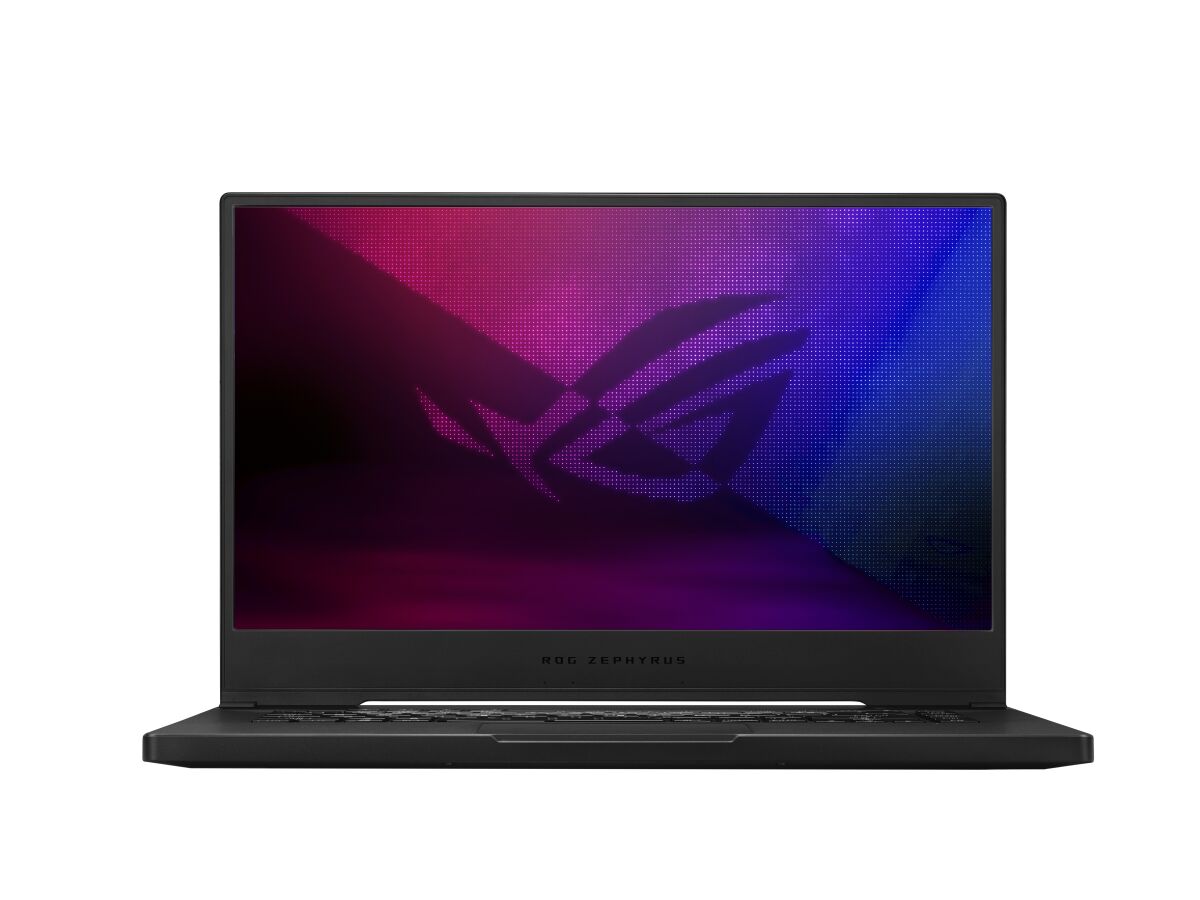
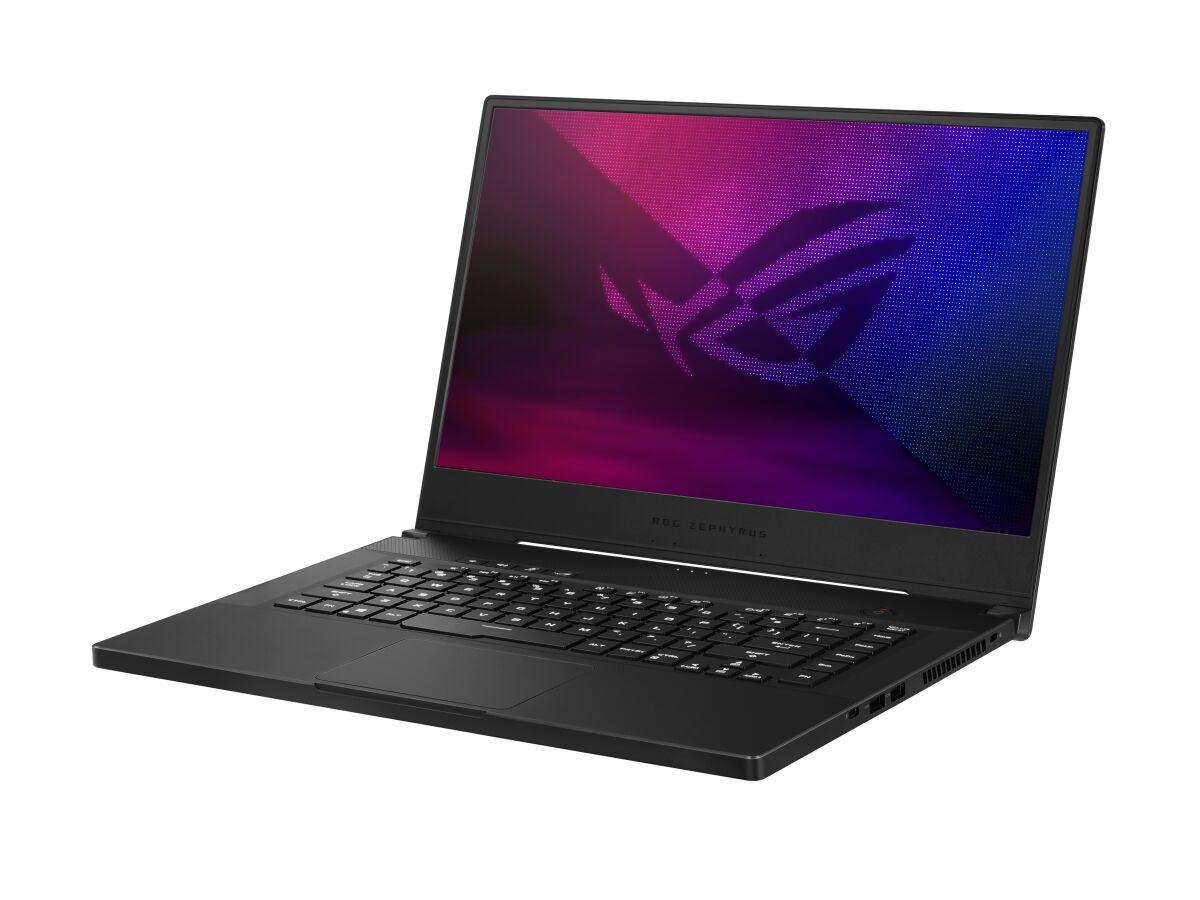
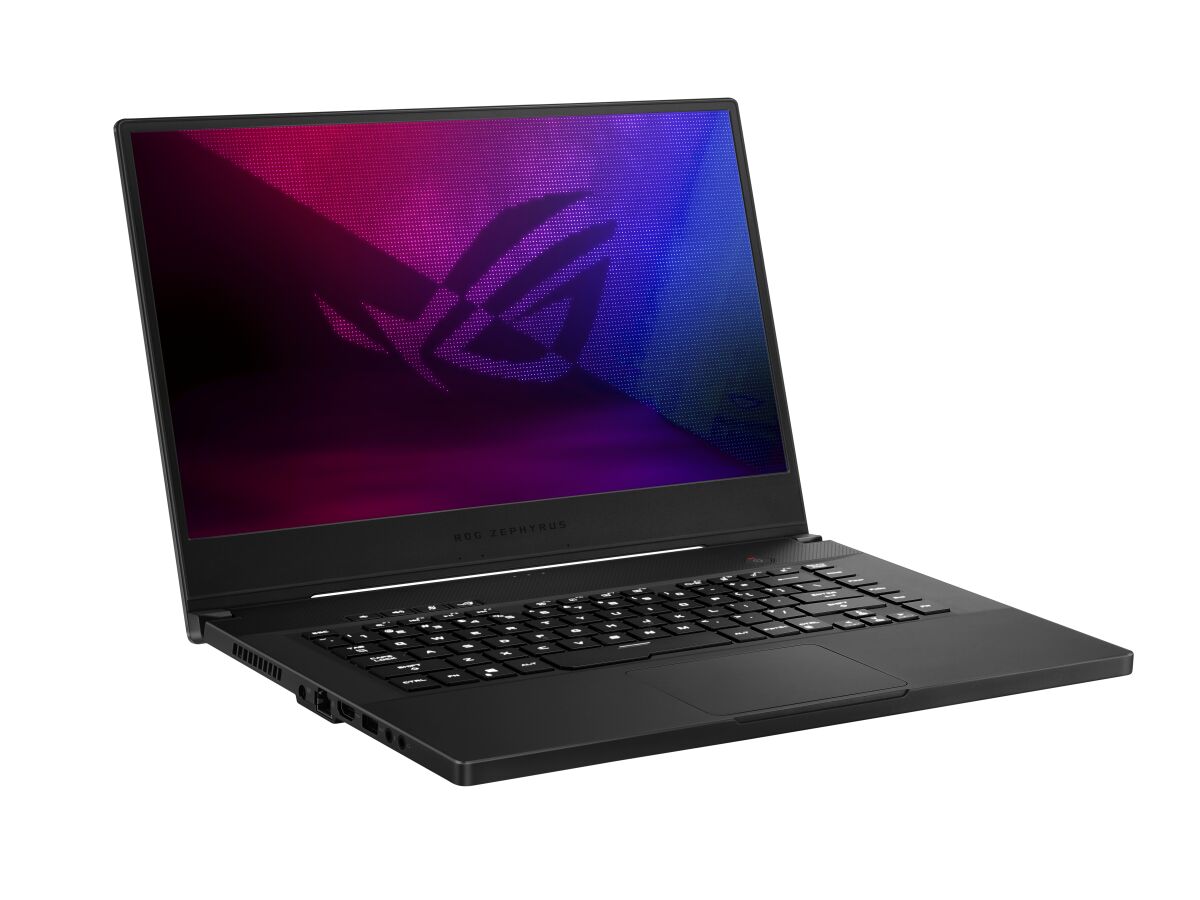
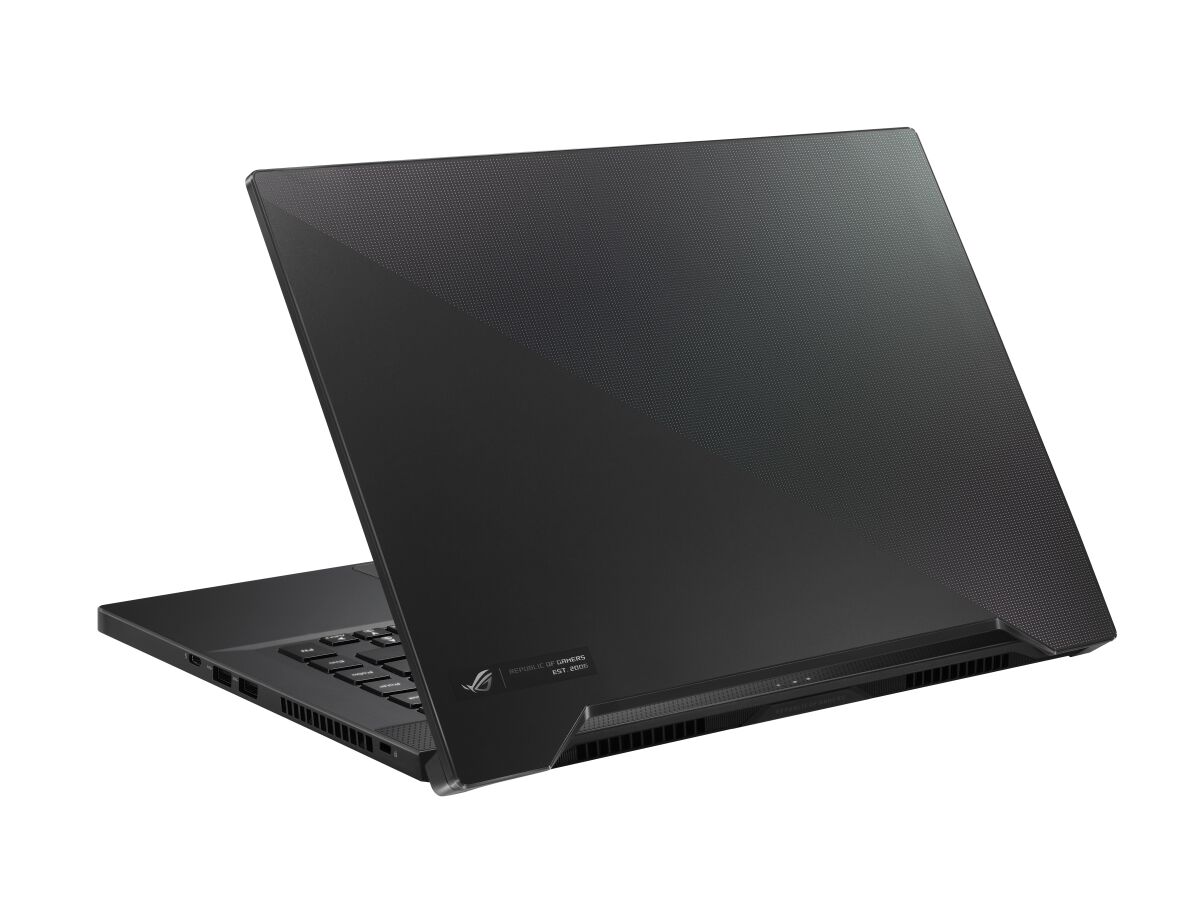
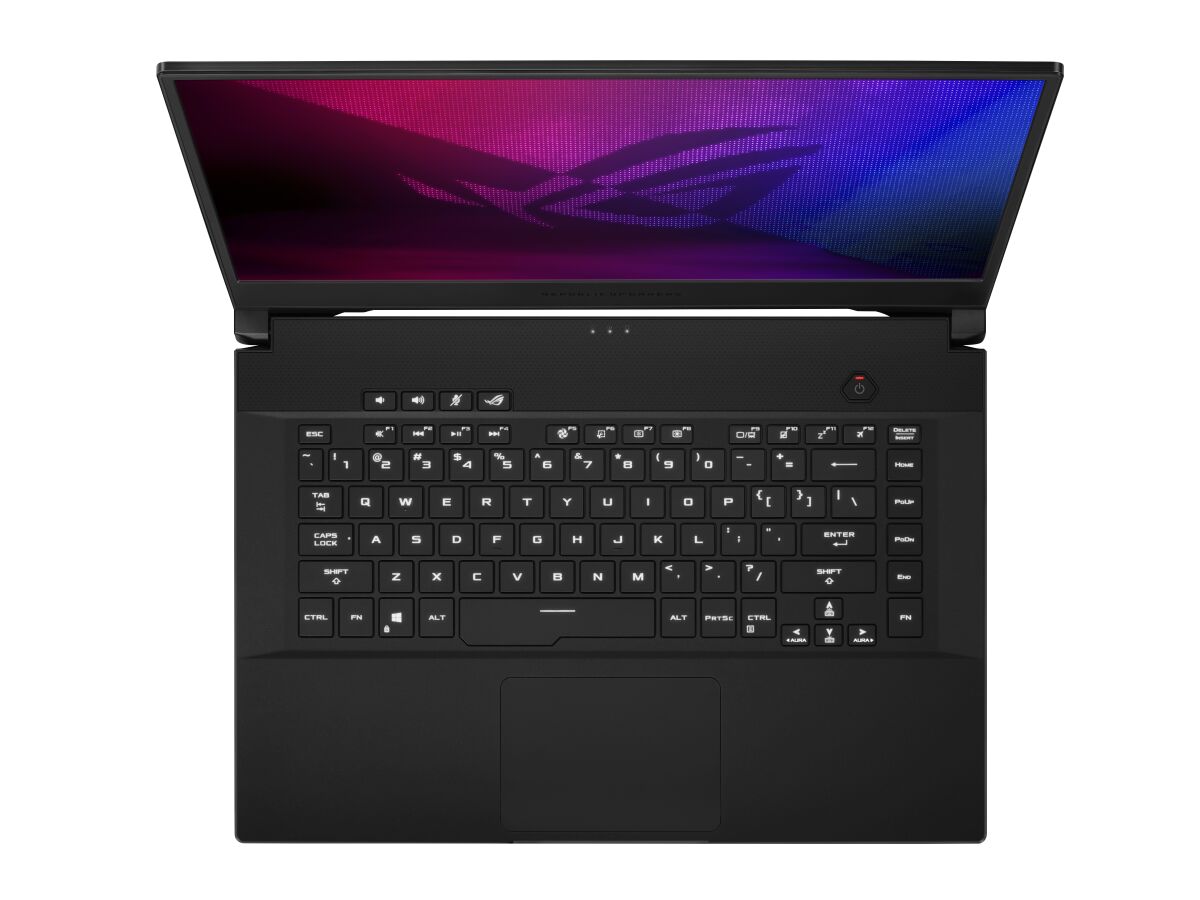
The ASUS ROG Zephyrus M GU502LW-HC036R laptop features DDR4-SDRAM memory upgrade specifications with one SO-DIMM slot available for expansion. Maximum RAM capacity reaches 32 GB, combining on-board memory with the SO-DIMM slot configuration. Compatible DDR4 modules operate at 2933 MHz frequency. Upgrade slots support single memory module installation for enhanced system performance and multitasking capabilities on specifications for the GU502LW-HC036R model.
Memory Upgrade Specifications
| Specification | Value |
|---|---|
| Memory slots | 1x SO-DIMM |
| Form factor | On-board + SO-DIMM |
| Memory type | DDR4-SDRAM |
| Frequency | 2933 MHz |
| Maximum RAM | 32 GB |
| Voltage | 1.2V |
| Number of pins | 260-pin |
| Interface | PC4 |
| PC Speed Rating | PC4-2933 (PC4-23464) |
| Bandwidth | 23.5 GB/s |
| Laptop Release date | 01 May 2020 |
Additional Notes
- The ASUS ROG GU502LW-HC036R features a hybrid memory architecture with one portion soldered directly to the motherboard and one accessible SO-DIMM slot, limiting future expansion flexibility compared to dual-slot configurations.
- The single SO-DIMM slot architecture prevents dual-channel memory operation if the system ships with only onboard RAM, potentially reducing memory bandwidth by up to 50% until the empty slot is populated.
- Systems with asymmetric memory configurations (unequal capacity between onboard and SO-DIMM modules) will operate in flex mode, where only the matched portion runs in dual-channel while the remainder operates in single-channel mode.
- The 32 GB maximum capacity constraint suggests the onboard memory is likely 16 GB or less, meaning the SO-DIMM slot accepts a maximum 16 GB or 32 GB module depending on the factory-installed onboard configuration.
- DDR4-2933 MHz represents a JEDEC standard speed that requires no BIOS configuration changes, ensuring compatibility with modules rated at this frequency or higher speeds that will downclock automatically.
- The SO-DIMM specification requires low-profile laptop memory modules rather than full-sized DIMMs, with physical dimensions of approximately 67.6mm length versus 133.35mm for desktop modules.
- Memory bandwidth peaks at 23.5 GB/s per channel when operating in dual-channel mode at 2933 MHz, making matched capacity modules critical for graphics-intensive workloads that share system RAM.
- The onboard memory component is permanently installed and cannot be removed or upgraded, making the initial factory configuration a permanent baseline for total system memory capacity.
- JEDEC-compliant DDR4-2933 modules operate at 1.2V, while XMP/overclocked modules may default to higher voltages that laptop BIOSes typically do not support or expose for adjustment.
- The single-slot limitation means capacity upgrades require complete module replacement rather than incremental addition, potentially leaving the removed module without reuse value.
- CAS latency timings interact with frequency to determine actual memory responsiveness, where DDR4-2933 CL21 modules may perform similarly to DDR4-3200 CL22 despite different rated speeds.
- The SO-DIMM installation typically requires bottom panel removal and may involve keyboard assembly detachment depending on chassis design, affecting user-serviceability without technical experience.
- Mixing memory modules from different manufacturers or with different die types can cause stability issues even when specifications match, particularly with onboard memory from an unknown supplier.
- Warranty terms typically cover user-installed SO-DIMM modules as owner-serviceable parts, while any damage to soldered onboard memory during the installation process may void coverage.
- The 2933 MHz frequency represents a 9% bandwidth increase over DDR4-2666 but will show negligible real-world performance differences in applications that are not memory-bandwidth constrained.